
Dr Prakash Gupta
About Me
Dr Prakash Gupta
MBBS
Dermatologist
10 Years Experience
Biography
My Clinic
OPD Hours
| Monday | Morning | 10:00 AM | - | 02:00 PM |
| Evening | 06:00 PM | - | 09:00 PM | |
| Tuesday | Morning | 10:00 AM | - | 02:00 PM |
| Evening | 06:00 PM | - | 09:00 PM | |
| Wednesday | Morning | 10:00 AM | - | 02:00 PM |
| Evening | 06:00 PM | - | 09:00 PM | |
| Thursday | Morning | 10:00 AM | - | 02:00 PM |
| Evening | 06:00 PM | - | 09:00 PM | |
| Friday | Morning | 10:00 AM | - | 02:00 PM |
| Evening | 06:00 PM | - | 09:00 PM | |
| Saturday | Morning | 10:00 AM | - | 02:00 PM |
| Evening | 06:00 PM | - | 09:00 PM | |
| Sunday | Morning | 10:00 AM | - | 02:00 PM |
| Evening | 06:00 PM | - | 09:00 PM |
Treatments
Specialised care and treatments offered
HYPERPIGMENTATION CORRECTION
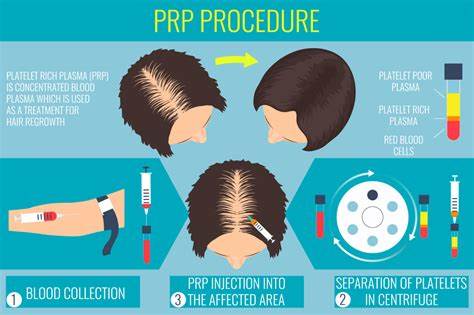
Areas of darker discoloration develop when melanin pigment gets deposited unevenly across the epidermis due to various triggers affecting melanocyte activity.
- Common triggers: Sun exposureleading hormonal shifts post-inflammatory changes such as acne scars.
- Clinical features: Patches with increased pigmentation that vary from brownish hues mainly found on face hands neck.
- Diagnostic approach: Visual clinical assessment supported by patient history rules out other pigmentary disorders.
- Treatment: Topical lightening agents (hydroquinone alternatives), chemical peels laser therapy aid gradual fading safely.
- Prognosis: Consistent sun protection combined with therapy prevents recurrence enhancing overall complexion uniformity.
Managing hyperpigmentation requires patience alongside adherence to prescribed regimens ensuring improved aesthetic outcomes sustainably.
HAIR LOSS EVALUATION & MANAGEMENT
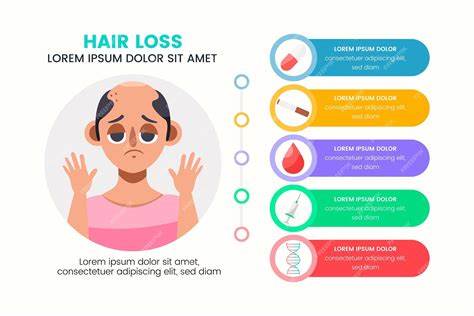
The loss of hair can be distressing but has many underlying causes ranging from genetic factors to medical conditions. Proper assessment directs effective management strategies tailored individually.
ECZEMA TREATMENT STRATEGIES
Eczema refers to several types of inflammatory skin conditions that cause itching, redness, and sometimes oozing or crusting. Atopic dermatitis is the most common variant among them.
- Main causes: Combination of genetic susceptibility along with environmental irritants triggering immune responses in the skin.
- Telltale symptoms: Dryness accompanied by intense itching which often leads to scratching-related damage like thickened skin patches.
- The diagnostic approach: Medical history review coupled with physical exam usually suffices for diagnosis without invasive tests.
- Treatment plans include: Regular moisturizing routines complemented by corticosteroid creams during flare-ups and avoiding allergens/irritants identified through patch testing if necessary.
SKIN CANCER SCREENING
The early detection of potentially cancerous skin lesions plays a crucial role in successful treatment outcomes. Regular screening helps identify abnormal moles or suspicious growths before they progress dangerously.
- Causative factors: Prolonged sun exposure and genetic factors increase the risk of skin cancers such as melanoma.
- Signs to watch for: New or changing moles with irregular borders, asymmetry, color variation, or bleeding areas require evaluation.
- Screening process: Thorough visual examination using tools like dermoscopy enhances diagnostic accuracy.
- Treatment upon diagnosis: May involve surgical removal or additional therapies guided by biopsy results.
Lifelong vigilance through regular checks can help catch malignancies during early stages when treatment success rates are highest.
PSORIASIS SCREENING AND CARE
Psoriasis is a chronic autoimmune disorder characterized by rapid skin cell buildup leading to scaling and inflammation. It often appears as red patches covered with silvery scales on various parts of the body.
- Symptoms: Thickened plaques of inflamed skin that can be itchy or painful.
- Causes: Genetic predisposition combined with immune system triggers like stress or infections.
- Diagnosis: Physical examination supported by skin biopsy if needed for confirmation.
- Treatment methods: Use of topical steroids, vitamin D analogues, phototherapy, or systemic medications depending on severity.
- Lifestyle advice: Moisturizing regularly and avoiding known triggers improves symptom control significantly.
This condition requires ongoing care since it tends to flare up periodically but can be managed well with appropriate therapies tailored to individual needs.
ACNE MANAGEMENT
Acne is a common skin condition that affects many people, especially during adolescence. It occurs when hair follicles become clogged with oil and dead skin cells, leading to pimples, blackheads, and cysts.
- Causes: Excess oil production, bacteria, hormonal changes, and inflammation contribute to acne development.
- Symptoms: Presence of whiteheads, blackheads, papules, pustules, or cystic lesions primarily on the face, chest, and back.
- Diagnosis: Clinical examination by a dermatologist to determine the type and severity of acne.
- Treatment options: Include topical creams (retinoids, benzoyl peroxide), oral antibiotics or hormonal therapy in some cases.
- What to expect: Gradual improvement over weeks to months; maintaining a consistent skincare routine is vital for management.
Effective treatment reduces scarring risk and improves skin appearance. Early intervention is key to controlling acne symptoms successfully.