
Dr Pradeep Sehga
About Me
Dr Pradeep Sehga
MBBS
General Physician
10 Years Experience
Biography
My Clinic
OPD Hours
| Monday | Morning | 10:00 AM | - | 02:00 PM |
| Evening | 06:00 PM | - | 09:00 PM | |
| Tuesday | Morning | 10:00 AM | - | 02:00 PM |
| Evening | 06:00 PM | - | 09:00 PM | |
| Wednesday | Morning | 10:00 AM | - | 02:00 PM |
| Evening | 06:00 PM | - | 09:00 PM | |
| Thursday | Morning | 10:00 AM | - | 02:00 PM |
| Evening | 06:00 PM | - | 09:00 PM | |
| Friday | Morning | 10:00 AM | - | 02:00 PM |
| Evening | 06:00 PM | - | 09:00 PM | |
| Saturday | Morning | 10:00 AM | - | 02:00 PM |
| Evening | 06:00 PM | - | 09:00 PM | |
| Sunday | Morning | 10:00 AM | - | 02:00 PM |
| Evening | 06:00 PM | - | 09:00 PM |
Treatments
Specialised care and treatments offered
SEVERE DEHYDRATION

This condition results from excessive loss of body fluids rapidly leading to an imbalance critical enough to impair organ function. It demands swift correction especially when linked with illnesses causing heavy fluid loss like diarrhea or heat exposure complications.
- Evident Signs & Frequent Causes: Dizziness, sunken eyes, dry mouth/skin plus low urine output indicate dehydration caused by vomiting/diarrhea profuse sweating prolonged fasting etc.
- The Diagnostic Process: Blood tests examining electrolytes blood urea nitrogen creatinine alongside physical assessment gauge severity accurately.
- Treatment Modalities: The cornerstone involves replenishing lost fluids intravenously for severe cases alternating oral rehydration solutions suffice otherwise under supervised settings.
- The Recovery Outlook: If managed timely organ damage risk declines greatly ensuring return back toward normal hydration status.
A careful approach mixing timely diagnosis plus appropriate fluid therapy plays vital role rescuing patients suffering from severe dehydration stresses globally.
DIABETIC KETOACIDOSIS (DKA)

This serious complication occurs when insufficient insulin leads to high blood sugar levels paired with acid buildup in the body. It mainly affects those with diabetes but requires prompt recognition due to its severity.
- Main Signs & Triggers: Symptoms include excessive thirst, frequent urination, nausea/vomiting, abdominal pain along with rapid breathing; infection or missed insulin doses often precipitate DKA episodes.
- The Diagnostic Criteria Include: Blood glucose testing reveals hyperglycemia; arterial blood gas shows acidosis confirming diagnosis along with ketone measurement in urine/blood samples.
- Treatment Essentials: Management involves hospital admission for controlled fluid replacement, insulin infusion for correcting metabolic imbalance along with electrolyte monitoring/replenishment carefully conducted by skilled staff members.
UNSTABLE ANGINA

This condition represents an urgent form of chest pain due to reduced blood flow to the heart muscle. It signals increased risk for heart attacks and calls for immediate medical evaluation.
- Sensory Clues & Underlying Cause: Chest discomfort at rest or increasing in frequency suggests unstable angina often caused by narrowing coronary arteries from plaque buildup.
- The Diagnostic Process: Electrocardiograms (ECG), cardiac enzyme tests, and clinical history help identify this potentially life-threatening syndrome promptly.
- Treatment Approaches: Hospital admission with medications like nitrates, antiplatelet drugs, beta-blockers followed by possible invasive procedures such as angioplasty may be needed urgently.
- Poor Outcomes & Prevention Tips: Without effective treatment unstable angina may progress to heart attack; secondary prevention includes lifestyle modifications plus chronic drug therapy adherence after discharge.
An awareness of symptoms coupled with rapid intervention improves patient outcomes dramatically in unstable angina cases worldwide.
ACUTE GASTROENTERITIS
This condition involves inflammation of the stomach and intestines leading to sudden onset diarrhea and vomiting. It commonly affects people worldwide and needs timely care to prevent dehydration.
- Common Symptoms & Causes: Symptoms include nausea, watery stools, abdominal cramps; usually caused by viral agents but sometimes bacteria or parasites are involved.
- How Diagnosis Is Made: Clinical assessment focusing on symptom history helps diagnose most cases; stool tests might be ordered if symptoms persist or worsen.
- Treatment Strategies: Rehydration with oral fluids is critical alongside dietary adjustments; antibiotics are rarely required unless a bacterial cause is confirmed.
- Expected Course & Recovery: Most patients recover within days without complications if hydration is maintained effectively throughout illness course.
Adequate fluid replacement combined with rest supports quick recovery from acute gastroenteritis while avoiding unnecessary medications promotes safety.
HYPERTENSIVE CRISIS

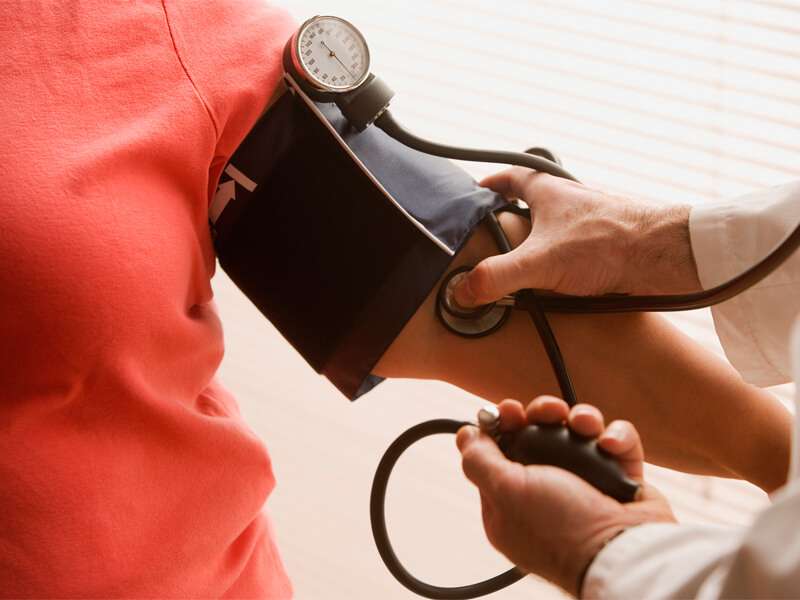
A hypertensive crisis is a sudden, severe increase in blood pressure that can damage organs and requires immediate attention. Recognizing this emergency condition promptly is crucial to avoid serious health consequences.
- Symptoms/Triggers: Patients may experience headaches, chest pain, shortness of breath, or neurological symptoms like confusion; it can be triggered by uncontrolled chronic hypertension or medication issues.
- Diagnostic Approach: Blood pressure measurement confirms the crisis; additional tests assess organ involvement such as ECG, renal function tests, or eye examination.
- Treatment Methods: Rapid lowering of blood pressure using intravenous medications under medical supervision is essential to control the crisis safely.
- Prognosis and Monitoring: Close monitoring in a hospital setting ensures stabilization; long-term management aims at preventing recurrence through lifestyle changes and medication adherence.
A hypertensive crisis demands swift medical evaluation to reduce risks of stroke or heart failure while planning ongoing prevention strategies.
ACUTE RESPIRATORY INFECTION

Acute respiratory infections affect the airways and lungs, often causing sudden symptoms that can be distressing. These infections can range from mild colds to more severe conditions like bronchitis or pneumonia.
- Symptoms and Causes: Common signs include cough, sore throat, fever, runny nose, and difficulty breathing; causes often involve viral or bacterial pathogens.
- Diagnosis: Diagnosis is typically based on clinical evaluation including physical examination and listening to the lungs; sometimes chest X-rays or lab tests are necessary.
- Treatment Options: Management may involve supportive care such as fluids and rest, antipyretics for fever, antibiotics if bacterial infection is suspected, and occasionally bronchodilators.
- What to Expect: Most cases resolve within one to two weeks with proper care; however, complications can arise especially in vulnerable individuals.
Early recognition and appropriate management are key to preventing worsening and ensuring recovery from acute respiratory infections.