
DR Pradeep Kumar
About Me
DR Pradeep Kumar
MS
Orthopaedic Surgeons
10 Years Experience
Biography
My Clinic
OPD Hours
| Monday | Morning | 10:00 AM | - | 02:00 PM |
| Evening | 06:00 PM | - | 09:00 PM | |
| Tuesday | Morning | 10:00 AM | - | 02:00 PM |
| Evening | 06:00 PM | - | 09:00 PM | |
| Wednesday | Morning | 10:00 AM | - | 02:00 PM |
| Evening | 06:00 PM | - | 09:00 PM | |
| Thursday | Morning | 10:00 AM | - | 02:00 PM |
| Evening | 06:00 PM | - | 09:00 PM | |
| Friday | Morning | 10:00 AM | - | 02:00 PM |
| Evening | 06:00 PM | - | 09:00 PM | |
| Saturday | Morning | 10:00 AM | - | 02:00 PM |
| Evening | 06:00 PM | - | 09:00 PM | |
| Sunday | Morning | 10:00 AM | - | 02:00 PM |
| Evening | 06:00 PM | - | 09:00 PM |
Treatments
Specialised care and treatments offered
ANKLE ARTHROSCOPY
Ankle arthroscopy is a keyhole surgical technique used primarily for assessing and treating ankle disorders. It allows surgeons access without large incisions while promoting minimal tissue disruption during procedures related to chronic ankle instability or impingement issues.
SPINAL FUSION SURGERY

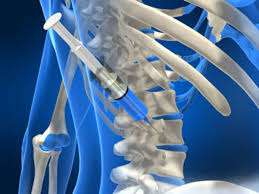
Spinal fusion surgery involves joining two or more vertebrae together permanently. It is performed primarily to alleviate pain caused by fractures or degenerative disc disease affecting spinal stability).
- Pain radiating down limbs, weakness during movement, or limited spine mobility are symptoms often associated with conditions leading to this type of surgery.
- Differential diagnosis includes clinical evaluations alongside advanced imaging studies such as MRIs or CT scans providing insights into spinal alignment issues.
- This surgical approach usually involves bone grafting materials utilized between vertebrae coupled with hardware placement to promote stability while healing occurs post-surgery .
ROTATOR CUFF REPAIR

A rotator cuff repair is a surgical procedure aimed at fixing tears in the rotator cuff tendon. This condition often results from injury or degeneration over time and can significantly impair shoulder function.
- Symptoms may include shoulder pain, weakness in arm movements, or difficulty sleeping on the affected side.
- A comprehensive assessment through physical exams and MRI scans helps confirm diagnosis by visualizing the extent of the injury.
- Surgical intervention usually entails reattaching torn tendons back to their original position on the humeral head using anchors or sutures.
- Pain management techniques are employed postoperatively alongside physical therapy tailored to restore shoulder function gradually.
- Patients can expect gradual improvements in strength and range of motion over months following rehabilitation efforts after surgery.
This repair aims not only to relieve pain but also to enhance overall shoulder functionality essential for daily tasks.
TOTAL HIP REPLACEMENT

Total hip replacement surgery replaces a damaged or worn hip joint with an artificial implant. This procedure is commonly performed on individuals with severe arthritis or trauma affecting hip function.
- Common symptoms that necessitate this surgery include persistent pain, limited motion, and difficulty in performing daily activities.
- A thorough medical history and physical examination are critical in diagnosing the need for surgery; imaging tests such as X-rays confirm the extent of joint damage.
- The procedure involves removing damaged bone and cartilage and inserting a prosthetic joint made of metal, plastic, or ceramic materials.
- Rehabilitation follows the surgery to enhance mobility and strength over several weeks.
- Patients can expect significant pain relief and improved quality of life following successful recovery from this intervention.
This procedure has high success rates in alleviating discomfort associated with hip diseases, greatly improving patient mobility.
ARTHROSCOPIC KNEE SURGERY

Arthroscopic knee surgery is a minimally invasive procedure used to diagnose and treat various knee conditions. This technique utilizes small incisions and a camera to visualize the joint, allowing for effective treatment with reduced recovery time.
- The most common indications for this surgery include meniscus tears, ligament injuries, and cartilage damage.
- Patients typically experience symptoms such as swelling, pain, and stiffness in the knee.
- Diagnosis often involves a physical examination followed by imaging tests like MRI for detailed visualization.
- Treatment options may include repair of damaged structures using sutures or removal of loose debris within the joint cavity.
- Post-operative expectations include rehabilitation exercises to restore mobility and strengthen the surrounding muscles.
This surgical option offers a faster recovery compared to open surgery, allowing many individuals to return to their daily activities sooner.