
Dr Prachi Parmar
About Me
Dr Prachi Parmar
MBBS
Ophthalmologist
13 Years Experience
Biography
My Clinic
OPD Hours
| Monday | Morning | 09:00 AM | ||
| Evening | 09:00 PM | |||
| Tuesday | Morning | 09:00 AM | ||
| Evening | 09:00 PM | |||
| Wednesday | Morning | 09:00 AM | ||
| Evening | 09:00 PM | |||
| Thursday | Morning | 09:00 AM | ||
| Evening | 09:00 PM | |||
| Friday | Morning | 09:00 AM | ||
| Evening | 09:00 PM | |||
| Saturday | Morning | 09:00 AM | ||
| Evening | 09:00 PM |
Treatments
Specialised care and treatments offered
COMPUTER VISION SYNDROME (CVS)
Computer Vision Syndrome describes a group of eye-related issues resulting from prolonged computer use. Symptoms may cause discomfort but are manageable with proper care and adjustments.
- Symptoms generally include eyestrain, headaches, dry eyes, and blurred vision during extended screen time.
- Diagnosis is often made after discussing existing habits along with conducting standard eye tests addressing both distance viewing capabilities & focusing abilities specific to near tasks too!
- Management strategies incorporate visual ergonomics tips: maintaining appropriate screen distance/angle lighting adjustments frequent breaks exercises tailored toward strengthening/comforting surrounding areas etc..
- Regular appointments help ascertain changes proactively enabling potential adaptations addressing emerging concerns swiftly keeping visual wellbeing prioritized throughout work/school demands .
Awareness regarding responsible technology usage promotes healthier eyes even amid today’s digital landscape!
RETINAL DETACHMENT

A retinal detachment occurs when the retina pulls away from its underlying support tissue. This urgent condition requires immediate attention as it can result in permanent vision loss if not addressed promptly.
- Signs might include sudden flashes of light or new floaters appearing in your field of vision; patients should seek immediate care if these manifest!
- A comprehensive eye examination using dilated pupil techniques helps confirm diagnosis by revealing areas where detachment has occurred
- Treatment options depend on severity but often involve surgical repairs such as pneumatic retinopexy or scleral buckle technique aimed at reattaching retina securely back into place.
- Post-treatment monitoring ensures success rates are maximized while recovery progresses smoothly.
Early intervention could preserve sight – recognize warning signs!
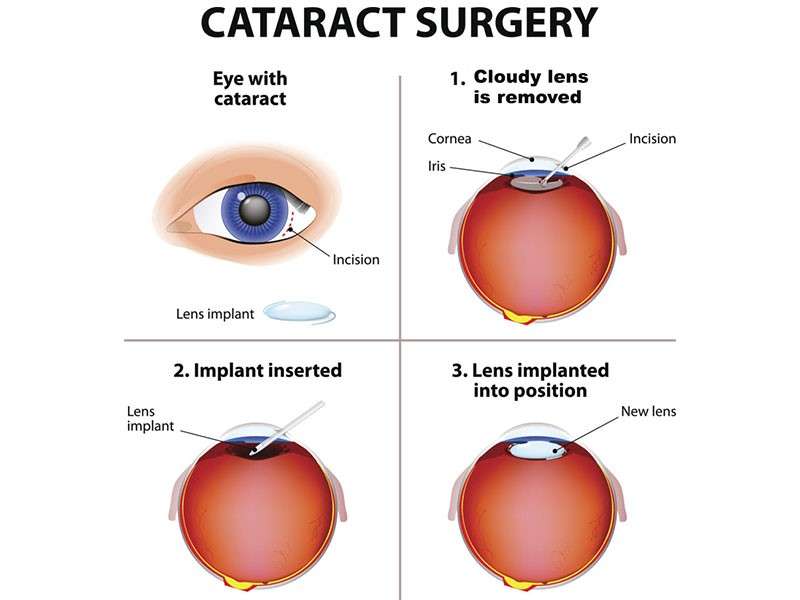
CATARACT SURGERY

Cataracts lead to clouding of the lens in your eye, causing blurry vision. This condition is commonly associated with aging but can also be caused by other factors like diabetes or prolonged sun exposure.
- Main symptoms include dimming vision, sensitivity to glare, or seeing halos around lights.
- A thorough eye examination will confirm cataract presence and degree through visual acuity tests and lens evaluation techniques.
- Surgery is typically recommended when daily activities are impacted; it usually involves replacing the cloudy lens with an artificial one during a minimally invasive procedure.
- Post-operative care includes monitoring recovery progress with follow-up visits ensuring optimal healing outcomes.
Cataract surgery is one of the most common and successful procedures leading to improved quality of life post-treatment.
GLAUCOMA SCREENING

Glaucoma is known as the 'silent thief of sight' because it often has no symptoms until significant vision loss occurs. Regular screenings are essential for early detection and treatment.
- The main risk factors include elevated intraocular pressure, family history, and age over 40.
- A comprehensive examination typically includes measuring eye pressure and inspecting the optic nerve head for damage.
- Treatment options may involve medications, laser treatments, or surgical procedures to lower intraocular pressure.
- Punctual follow-ups are critical once diagnosed to ensure effective management of this chronic condition.
Taking proactive measures through regular screenings can significantly reduce the risk of permanent damage from glaucoma.
AGE-RELATED MACULAR DEGENERATION (AMD)
A common eye disease among older adults, age-related macular degeneration affects the macula—the part of the retina responsible for sharp central vision. The exact cause is not fully understood but involves aging and genetic factors.
- Early signs might include difficulty reading, recognizing faces, or seeing fine details.
- Diagnosing AMD involves a detailed eye exam and tests such as optical coherence tomography (OCT) to view retinal layers.
- Treatment often includes nutritional supplements aimed at slowing disease progression, alongside possible anti-VEGF injections.
- Vision rehabilitation services may also be beneficial for daily living improvements.
While there’s no cure for AMD, early detection allows for better management strategies to protect eyesight.
DIABETIC RETINOPATHY
Diabetic retinopathy is a serious eye condition that can affect people with diabetes. It occurs when high blood sugar levels damage the blood vessels in the retina, leading to vision problems or even blindness.
- Symptoms may include blurred vision, dark spots, or difficulty seeing colors.
- The condition is typically diagnosed through a comprehensive eye exam that includes dilating the pupils and examining the retina for changes.
- Treatment options range from laser therapy, which can help reduce vision loss, to injections of medication that target abnormal blood vessel growth.
- Managing blood sugar levels is crucial in preventing progression; regular monitoring is advised.
- Patients can expect regular follow-ups to monitor their vision and manage any complications.
If caught early, diabetic retinopathy can be managed effectively, preserving vision and improving quality of life.