
Dr Prabhat Soni
About Me
Dr Prabhat Soni
MD
General Physician
25 Years Experience
Biography
My Clinic
OPD Hours
| Monday | Morning | 09:00 AM | ||
| Evening | 09:00 PM | |||
| Tuesday | Morning | 09:00 AM | ||
| Evening | 09:00 PM | |||
| Wednesday | Morning | 09:00 AM | ||
| Evening | 09:00 PM | |||
| Thursday | Morning | 09:00 AM | ||
| Evening | 09:00 PM | |||
| Friday | Morning | 09:00 AM | ||
| Evening | 09:00 PM |
Treatments
Specialised care and treatments offered
ALLERGY TESTING
Allergy testing assists individuals in identifying allergens responsible for unpleasant reactions ranging from mild irritations to severe respiratory problems. Knowing what triggers allergies will help avoid potential dangers effectively!
- Common symptoms include sneezing, itching eyes/nose or skin rashes after exposure - understanding triggers provides clarity!
- Skin prick tests or blood tests measure responses against specific substances known as allergens leading towards accurate diagnoses!
- Treatment plans often involve avoidance strategies combined with medications such as antihistamines aimed at alleviating symptoms where necessary!
- Continued cooperation between patient & practitioner encourages successful allergy management through education & regular reviews!
Identifying allergies empowers patients taking charge over their well-being while fostering improved quality of life overall!
VACCINATIONS

Vaccinations play an important role in preventing infectious diseases. They protect not only the individual receiving them but also contribute to community immunity when widely administered
- The presence of illnesses often manifests through various symptoms like fever or fatigue; however, vaccinations aim to prevent these altogether!
- Diseases targeted by vaccines include influenza, hepatitis B, HPV among others - proving effective at reducing prevalence rates significantly over time!
- Boosters might be needed periodically depending on age and type of vaccine initially received; keeping up-to-date records remains essential!
Pursuing vaccination recommendations helps ensure both personal protection against illness while also safeguarding those around you – contributing positively towards public health!
PREVENTIVE HEALTH CHECK-UPS
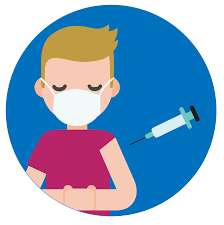
Preventive health check-ups are vital for detecting potential health issues before they become serious. Regular assessments help maintain good health across all age groups and genders.
- No specific symptoms usually indicate the need for check-ups; hence routine examinations are encouraged regardless of feeling healthy!
- A variety of tests including blood work, screenings for various conditions such as cancer or diabetes are part of comprehensive assessments.
- Treatment options arising from check-ups depend on findings but often include lifestyle modifications or further diagnostic procedures if needed.
- Scheduling these exams regularly allows for timely interventions that promote better health outcomes throughout life stages.
The goal of preventive care is to maintain wellness proactively rather than reactively when issues arise – it's an investment in lifelong health!
CHOLESTEROL MANAGEMENT
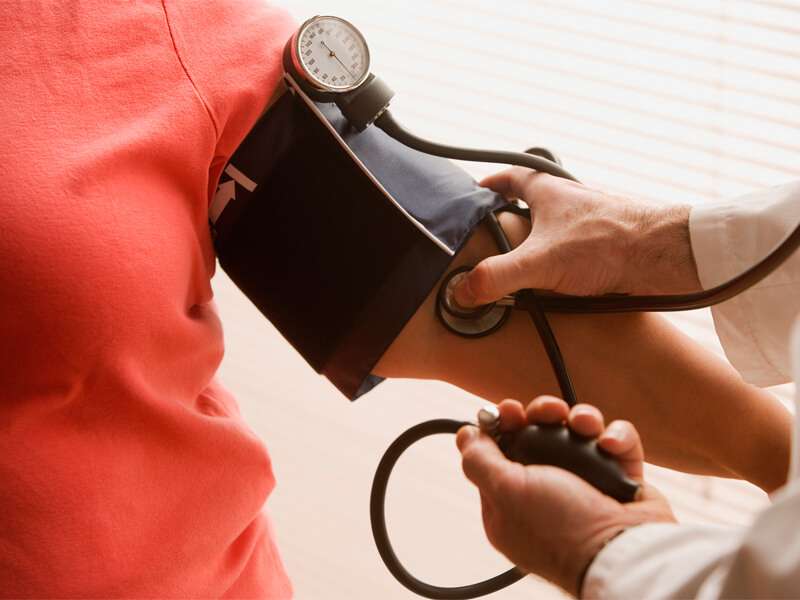
Cholesterol management is critical for reducing the risk of heart disease. Understanding your cholesterol levels can assist in making informed decisions about your health.
- High levels of LDL (bad cholesterol) can lead to blockages in arteries, while HDL (good cholesterol) helps clear fats from the bloodstream.
- A blood test called a lipid panel measures total cholesterol levels and helps determine cardiovascular risk factors.
- Treatment often includes lifestyle changes like improved diet rich in healthy fats, increased physical activity, and possibly cholesterol-lowering medications.
- Your healthcare provider may recommend regular monitoring to ensure cholesterol levels remain within a healthy range.
- A proactive approach towards managing cholesterol contributes significantly towards overall heart health and longevity.
Regular discussions with your physician about cholesterol can facilitate better heart health over time.
DIABETES SCREENING

Screening for diabetes is essential in identifying individuals at risk for developing this chronic condition. Early detection plays a vital role in managing and potentially reversing the course of diabetes.
- The primary symptom may be increased thirst and frequent urination; however, many may not have noticeable symptoms initially.
- Blood tests such as fasting glucose tests or hemoglobin A1c are used to diagnose diabetes.
- If diagnosed, management focuses on diet control, physical activity, and sometimes medication or insulin therapy.
- Regular follow-up appointments help in adjusting the management plan based on individual needs.
- An emphasis on maintaining a healthy lifestyle can significantly improve outcomes for patients diagnosed with diabetes.
Timely screening can empower individuals to take control of their health and prevent complications related to diabetes.
HYPERTENSION
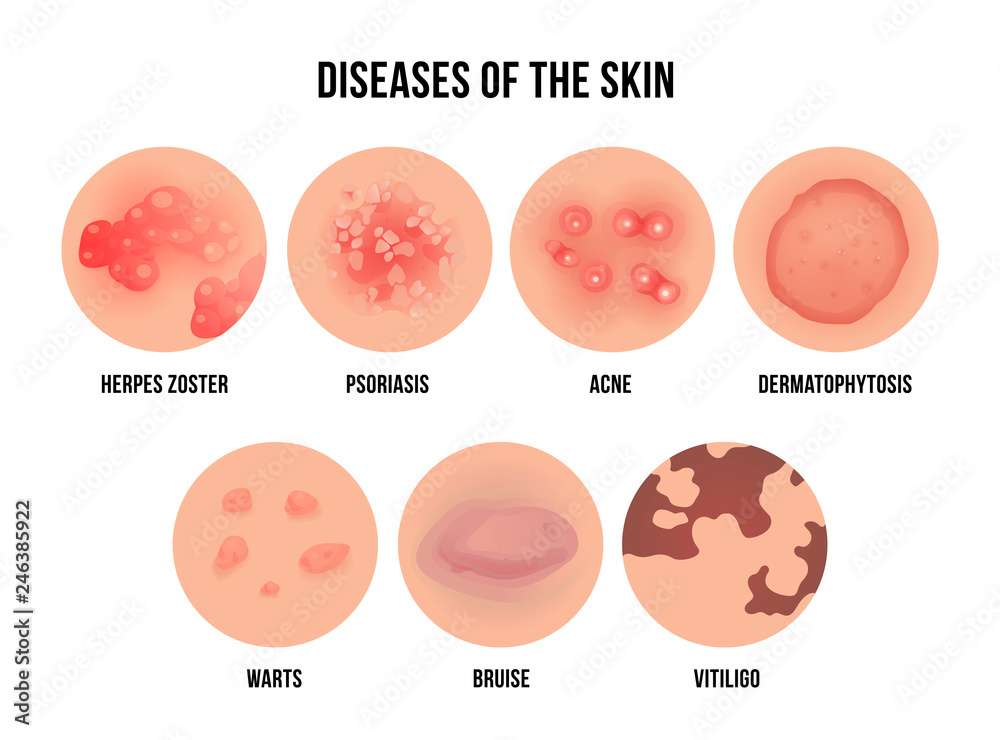
Hypertension, commonly known as high blood pressure, is a condition that can lead to serious health issues if left untreated. It often develops over many years and may not show any symptoms until it becomes severe.
- Symptoms can include headaches, shortness of breath, or nosebleeds, but many individuals feel fine.
- Diagnosis is made through regular blood pressure readings that consistently exceed normal levels.
- Treatment includes lifestyle modifications such as diet changes and exercise, along with medications if necessary.
- Management involves regular monitoring and follow-ups to adjust treatment plans effectively.
- Living with hypertension requires awareness of your health and adherence to prescribed treatments.
Understanding this condition is crucial in preventing long-term complications; regular check-ups are highly recommended.