
Dr Pooja Gupta
About Me
Dr Pooja Gupta
Dermatologist
Biography
My Clinic
OPD Hours
| Tuesday | Morning | 10:00 AM | - | 02:00 PM |
| Evening | 06:00 PM | - | 09:00 PM | |
| Wednesday | Morning | 10:00 AM | - | 02:00 PM |
| Evening | 06:00 PM | - | 09:00 PM | |
| Thursday | Morning | 10:00 AM | - | 02:00 PM |
| Evening | 06:00 PM | - | 09:00 PM | |
| Friday | Morning | 10:00 AM | - | 02:00 PM |
| Evening | 06:00 PM | - | 09:00 PM | |
| Saturday | Morning | 10:00 AM | - | 02:00 PM |
| Evening | 06:00 PM | - | 09:00 PM | |
| Sunday | Morning | 10:00 AM | - | 02:00 PM |
| Evening | 06:00 PM | - | 09:00 PM | |
| Thursday | Morning | 10:00 AM | - | 02:00 PM |
| Evening | 06:00 PM | - | 09:00 PM |
Treatments
Specialised care and treatments offered
ROSACEA
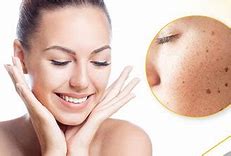
Rosacea is a chronic skin condition characterized by facial redness that may also present with small bumps or pimples. It commonly affects adults and tends to flare up periodically.
- Symptoms: Symptoms include flushing, persistent redness on the face, visible blood vessels, and sometimes pustules resembling acne.
PSORIASIS
Psoriasis is an autoimmune condition that results in rapid skin cell turnover leading to thickened plaques on the skin's surface. It can significantly impact quality of life due to its chronic nature and visibility.
- Symptoms: Symptoms often include red patches covered with thick silvery scales that may be itchy or painful.
- Causes: The exact cause is not fully understood but it involves an interplay between genetics and immune system dysfunction.
- Diagnosis: A dermatologist usually performs a physical exam to assess the characteristic appearance of lesions for diagnosis.
- Treatment options: Options range from topical treatments like steroids to systemic medications and phototherapy for more severe cases.
- What to expect: Though psoriasis is chronic, effective treatments are available that help control flare-ups effectively over time.
A thorough understanding of this condition can aid patients in managing their health successfully with the right strategies in place.
ECZEMA
Eczema is a chronic inflammatory skin condition that causes itchy, red, and dry patches on the skin. This condition often arises in childhood but can persist into adulthood.
- Symptoms: Common symptoms include intense itching, dryness, and areas of redness which may ooze when scratched.
- Causes: Eczema can result from genetic predisposition combined with environmental factors such as allergens or irritants.
- Diagnosis: Diagnosis typically involves a physical evaluation by a dermatologist along with a detailed medical history.
- Treatment options: Treatment may involve moisturizing ointments, topical corticosteroids for inflammation reduction, and other immune-modulating therapies.
- What to expect: While eczema is manageable, flare-ups can occur; therefore, ongoing care is essential for long-term relief.
A proactive management plan can help maintain skin health and comfort throughout life.
ACNE
Acne is a common skin condition that affects individuals of all ages, characterized by the presence of pimples, blackheads, and cysts. The condition often occurs due to the blockage of hair follicles and can lead to scarring if not managed properly.
- Symptoms: These can include whiteheads, blackheads, and inflamed red spots on the skin.
- Causes: Factors contributing to acne include hormonal changes, excess oil production, and bacteria on the skin's surface.
- Diagnosis: Dermatologists typically evaluate acne through physical examination and patient history.
- Treatment options: Management may include topical treatments like retinoids, oral medications such as antibiotics, or procedures like chemical peels.
- What to expect: Patients may see gradual improvement over weeks or months with consistent treatment.
A tailored approach to acne management can significantly improve skin appearance and boost confidence.