
Dr Piyush Gupta
About Me
Dr Piyush Gupta
MBBS
General Physician
10 Years Experience
Biography
My Clinic
OPD Hours
| Monday | Morning | 10:00 AM | - | 02:00 PM |
| Evening | 06:00 PM | - | 09:00 PM | |
| Tuesday | Morning | 10:00 AM | - | 02:00 PM |
| Evening | 06:00 PM | - | 09:00 PM | |
| Wednesday | Morning | 10:00 AM | - | 02:00 PM |
| Evening | 06:00 PM | - | 09:00 PM | |
| Thursday | Morning | 10:00 AM | - | 02:00 PM |
| Evening | 06:00 PM | - | 09:00 PM | |
| Friday | Morning | 10:00 AM | - | 02:00 PM |
| Evening | 06:00 PM | - | 09:00 PM | |
| Saturday | Morning | 10:00 AM | - | 02:00 PM |
| Evening | 06:00 PM | - | 09:00 PM | |
| Sunday | Morning | 10:00 AM | - | 02:00 PM |
| Evening | 06:00 PM | - | 09:00 PM |
Treatments
Specialised care and treatments offered
PREVENTIVE HEALTH CHECK-UPS

Routine preventive health check-ups are fundamental in identifying potential health issues before they become serious. These evaluations help assess general well-being while promoting early detection measures tailored according to individual risk factors.
- Your age, sex, family history, and lifestyle choices are taken into account when determining appropriate screenings such as blood tests or cancer screenings (e.g., mammograms).
- Regular assessments help identify conditions such as hypertension or diabetes even when asymptomatic signs are present initially without any warning signals being evident yet; hence their importance cannot be understated!
The goal here focuses on proactive measures enabling timely interventions when necessary resulting positively on outcomes while encouraging healthier living patterns among diverse populations throughout society!
CHOLESTEROL MANAGEMENT
High cholesterol levels can lead to cardiovascular diseases if not addressed promptly. Regular checks are important for anyone at risk due to lifestyle factors or family history. Understanding cholesterol's role in heart health is essential for prevention strategies.
- The condition often shows no noticeable symptoms until significant damage has been done; therefore routine screening becomes crucial during regular check-ups.
- Diagnosis includes lipid profile testing to evaluate levels of LDL (low-density lipoprotein) and HDL (high-density lipoprotein).
- Treatment options typically encompass lifestyle changes like healthier eating habits alongside physical activity; medication may be prescribed when necessary to lower cholesterol levels effectively.
- Your healthcare provider will likely recommend regular follow-up tests to monitor progress toward target cholesterol levels over time.
A commitment towards lowering high cholesterol through tailored interventions plays a vital role in maintaining heart health throughout one’s life journey.
ASTHMA CARE
Asthma is a chronic respiratory condition that causes inflammation and narrowing of the airways. Effective management requires an understanding of triggers and proper treatment protocols tailored to individual needs.
- Main symptoms include wheezing, coughing, chest tightness, and shortness of breath which can vary from mild to severe in different individuals.
- Diagnosis generally involves reviewing medical history along with lung function tests such as spirometry to assess airway obstruction.
- Treatment plans often incorporate bronchodilators for immediate relief along with corticosteroids for long-term control of inflammation.
- A personalized asthma action plan developed with a healthcare provider helps manage exacerbations effectively while identifying triggers is key for control.
- Lifestyle modifications like exercising outdoors in optimal weather conditions can aid in reducing asthma episodes significantly.
With appropriate care and management strategies in place, individuals living with asthma can lead active and fulfilling lives without compromise on their health.
DIABETES SCREENING AND MANAGEMENT

Diabetes is a chronic condition that affects how your body processes glucose. Early diagnosis and management are vital to prevent complications related to the disease. Understanding diabetes is key for those at risk or diagnosed with it.
- Commonly observed symptoms include frequent urination, increased thirst, and unexplained weight loss.
- Diagnosis usually involves fasting blood sugar tests or HbA1c tests that measure average blood sugar levels over time.
- Treatment may involve dietary changes, regular exercise, and possibly insulin therapy depending on the type of diabetes.
- Self-monitoring of blood glucose is essential for managing daily fluctuations in sugar levels effectively.
- If unmanaged, diabetes can lead to serious complications such as nerve damage or kidney disease; hence clinical guidance is crucial.
A proactive stance towards managing diabetes can significantly improve quality of life and prevent long-term complications associated with the condition.
HYPERTENSION MANAGEMENT

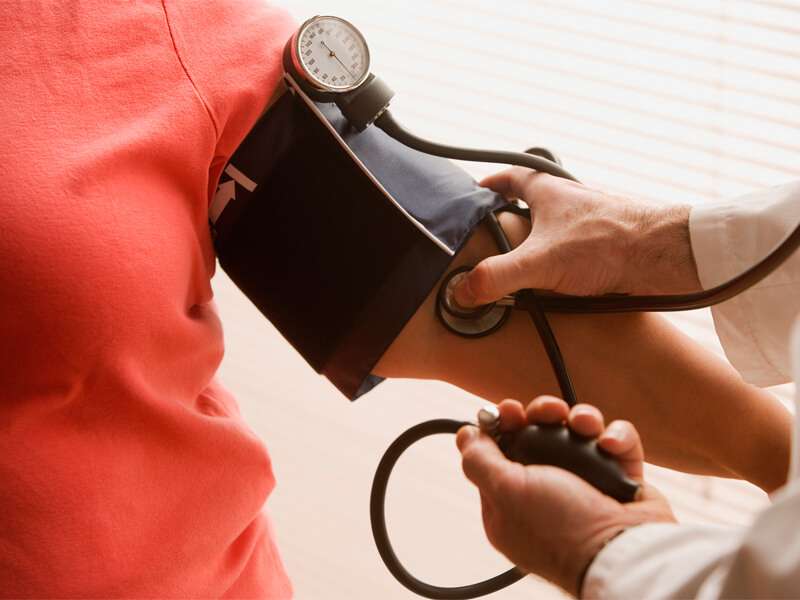
Hypertension, commonly known as high blood pressure, can lead to serious health issues if left untreated. It often develops over many years and affects nearly everyone eventually. Early detection is crucial for effective management.
- Symptoms may include headaches, shortness of breath, or nosebleeds, although many individuals experience no symptoms at all.
- Diagnosis typically involves measuring blood pressure during routine check-ups.
- Treatment options include lifestyle changes such as diet and exercise as well as medications like diuretics or ACE inhibitors.
- Regular monitoring is essential to ensure that your blood pressure remains within a safe range.
- You should also be aware of potential complications, which can include heart disease or stroke if high blood pressure is not controlled effectively.
Managing hypertension requires a comprehensive approach involving both medication and lifestyle adjustments to promote overall cardiovascular health.