
Dr Piyush Dwivedi
About Me
Dr Piyush Dwivedi
B.P.T
Physiotherapist
10 Years Experience
Biography
My Clinic
OPD Hours
| Monday | Morning | 10:00 AM | - | 02:00 PM |
| Evening | 06:00 PM | - | 09:00 PM | |
| Tuesday | Morning | 10:00 AM | - | 02:00 PM |
| Evening | 06:00 PM | - | 09:00 PM | |
| Wednesday | Morning | 10:00 AM | - | 02:00 PM |
| Evening | 06:00 PM | - | 09:00 PM | |
| Thursday | Morning | 10:00 AM | - | 02:00 PM |
| Evening | 06:00 PM | - | 09:00 PM | |
| Friday | Morning | 10:00 AM | - | 02:00 PM |
| Evening | 06:00 PM | - | 09:00 PM | |
| Saturday | Morning | 10:00 AM | - | 02:00 PM |
| Evening | 06:00 PM | - | 09:00 PM | |
| Sunday | Morning | 10:00 AM | - | 02:00 PM |
| Evening | 06:00 PM | - | 09:00 PM |
Treatments
Specialised care and treatments offered
PLANTAR FASCIITIS TREATMENT
This common foot condition results from inflammation of the plantar fascia—a thick band of tissue running across the bottom of your foot. Understanding this condition is key for effective management pathways!
- Main signs include persistent heel pain, especially noticeable upon waking up or after prolonged periods of sitting; these prominent symptoms warrant attention sooner rather than later!
- A thorough clinical assessment alongside patient history helps pinpoint underlying risk factors contributing towards its onset effectively establishing diagnosis!
- Treatment generally encompasses a variety of methods; they may involve personalized stretching exercises aimed at relieving tension as well as custom orthotics that promote better alignment during ambulation ensuring optimal support throughout healing phases!
Pursuing an appropriate regimen tends largely leads towards satisfactory outcomes accompanying enhanced functionality enabling smoother daily interactions moving forward!
SHOULDER IMPINGEMENT SYNDROME THERAPY
This syndrome occurs when shoulder tendons become irritated or inflamed due to mechanical compression during arm movements. Prompt intervention can alleviate discomfort significantly.
- Common symptoms typically include shoulder pain while lifting arms or reaching activities accompanied by a reduced range of motion.
- Detection often relies on detailed physical examinations coupled with diagnostic imaging techniques if necessary.
- Treatment strategies focus primarily on restoring normal movement patterns through tailored exercise regimens complemented by soft tissue mobilization techniques.
- Expected outcomes usually involve substantial improvement within several weeks when adherence to prescribed therapeutic protocols is maintained.
An effective plan enhances both comfort levels during activities while preventing future complications related to joint integrity.
LUMBAR DISC HERNIATION MANAGEMENT

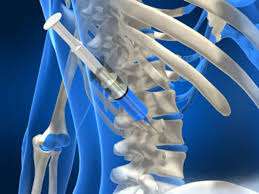
Lumbar disc herniation is a condition that can cause significant back pain as well as neurological symptoms due to pressure on spinal nerves. Effective management is crucial for improving quality of life.
- Main sensation disturbances may include lower back pain radiating down the legs (sciatica) alongside numbness or weakness in certain areas of the lower extremities.
- A definitive diagnosis involves thorough clinical evaluations along with imaging tests such as MRI scans that visualize disc health accurately.
- Treatment typically requires an integrated approach including physical therapy, core strengthening routines, and lifestyle modifications aimed at alleviating symptoms without invasive procedures unless absolutely necessary.
A proactive rehabilitation strategy ensures that many patients experience relief from their symptoms while regaining functional abilities over time.
POST-SURGICAL PHYSIOTHERAPY

Post-surgical physiotherapy plays a vital role in the recovery journey following orthopedic surgeries. Engaging in targeted therapies helps ensure optimal healing and restores function effectively.
- Patients often experience soreness, swelling, or instability after surgery, which highlights the need for post-operative care.
- A comprehensive assessment is conducted to tailor a personalized treatment program based on specific surgical procedures performed.
- The focus will usually include rehabilitative exercises, manual therapy techniques, and modalities for pain relief to facilitate rapid recovery.
- Regular evaluations will guide modifications needed throughout the rehabilitation process based on progress observed.
This structured approach not only aids in physical recovery but also boosts confidence in mobility post-surgery.
CERVICAL SPONDYLOSIS TREATMENT

Cervical spondylosis is a common degenerative condition affecting the cervical spine, often resulting from age-related wear and tear. It can lead to discomfort and limited mobility in the neck region.
- The most frequent symptoms include neck stiffness, pain radiating down the arms, and tingling sensations.
- A thorough physical assessment combined with advanced imaging techniques aids in accurate diagnosis.
- Treatment options range from manual therapy, targeted exercises, to ergonomic adjustments aimed at reducing strain on the neck.
- Pain management strategies such as heat therapy and anti-inflammatory medications may also be recommended during recovery.
With proper intervention, many individuals find significant relief and regain function in daily activities affected by this condition.
KNEE REHABILITATION

Knee rehabilitation is an essential process for individuals recovering from knee injuries or surgeries. Proper rehabilitation can significantly enhance mobility, reduce pain, and improve overall function.
- Symptoms of knee injuries include swelling, pain, and difficulty in bearing weight.
- Diagnosis often involves physical examinations and imaging studies like X-rays or MRIs to assess the extent of the injury.
- Management typically includes a combination of physical therapy, strengthening exercises, and modalities like ultrasound or electrical stimulation.
- During rehabilitation, patients can expect to gradually increase their range of motion and strength over time.
- Regular follow-ups are crucial to monitor progress and make necessary adjustments to the treatment plan.
Adhering to a structured rehabilitation program can lead to successful recovery outcomes for knee-related issues.
FAQs
-What should I wear for my appointments?
wear comfortable clothing allowing easy movement—shorts/loose tops work best—this enables effective assessments without restrictions!
Are there any side effects associated with physiotherapy?
it’s crucial that you share any abnormal reactions so adjustments can be made promptly ensuring optimal care throughout each phase!