
Dr Peyush Khera
About Me
Dr Peyush Khera
MD
Cardiologist
10 Years Experience
Biography
My Clinic
OPD Hours
| Monday | Morning | 10:00 AM | - | 02:00 PM |
| Evening | 06:00 PM | - | 09:00 PM | |
| Tuesday | Morning | 10:00 AM | - | 02:00 PM |
| Evening | 06:00 PM | - | 09:00 PM | |
| Wednesday | Morning | 10:00 AM | - | 02:00 PM |
| Evening | 06:00 PM | - | 09:00 PM | |
| Thursday | Morning | 10:00 AM | - | 02:00 PM |
| Evening | 06:00 PM | - | 09:00 PM | |
| Friday | Morning | 10:00 AM | - | 02:00 PM |
| Evening | 06:00 PM | - | 09:00 PM | |
| Saturday | Morning | 10:00 AM | - | 02:00 PM |
| Evening | 06:00 PM | - | 09:00 PM | |
| Sunday | Morning | 10:00 AM | - | 02:00 PM |
| Evening | 06:00 PM | - | 09:00 PM |
Treatments
Specialised care and treatments offered
PERIPHERAL ARTERY DISEASE TREATMENT

Treating peripheral artery disease (PAD) focuses on restoring adequate blood flow primarily in the legs due to narrowed arteries caused by plaque buildup. Effective management is essential not only for symptom relief but also reducing complications like ulcers or limb loss due to poor circulation over time.
- Symptoms typically include leg pain while walking known as claudication alongside numbness or coolness in extremities during rest periods based on severity levels.
- Diagnosis often employs vascular ultrasound alongside angiography exams pinpointing blocked arteries accurately guiding subsequent treatment plans effectively without unnecessary delays.
- Non-invasive approaches may involve lifestyle modifications complemented by medications targeting risk factors while more advanced cases might necessitate procedures such as endovascular interventions balancing risks successfully versus benefits gained long-term.
- Patients realizing improvements generally anticipate increased mobility resulting from enhanced circulation positively affecting daily routines significantly thereafter thus leading healthier lifestyles overall once treatment concludes too!
Addressing PAD appropriately encourages healthier living promoting enhanced quality-of-life outcomes immensely elevating well-being collectively amongst individuals affected thereby too eventually yielding happier communities overall!.
TRANSCATHETER AORTIC VALVE REPLACEMENT (TAVR)
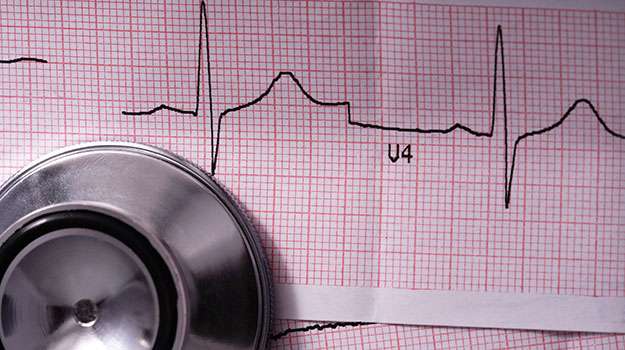
Transcatheter aortic valve replacement (TAVR) offers a less invasive solution for severe aortic stenosis when traditional surgery poses greater risks. The aim of this procedure is to relieve symptoms caused by narrowing of the aortic valve that impedes blood flow from the heart into the body.
- Symptoms commonly associated with this condition include profound fatigue, chest pain during exertion, and severe shortness of breath as it progresses over time.
- Diverse diagnostic imaging techniques such as echocardiography help confirm the necessity of TAVR by assessing valve structure integrity thoroughly.
- This minimally invasive approach involves delivering a new valve via catheter through an artery in either your leg or chest, facilitating quicker recovery with reduced hospital stays compared to open-heart surgery.
- Post-procedure care often entails monitoring your activity level but most patients enjoy significant symptomatic relief shortly thereafter.
TAVR represents a remarkable advancement in cardiac care offering hope particularly among elderly populations with complex health considerations.
IMPLANTABLE CARDIOVERTER-DEFIBRILLATOR (ICD) PLACEMENT
An implantable cardioverter-defibrillator (ICD) placement is indicated for patients at risk for life-threatening arrhythmias. This device monitors heart rhythms and delivers shocks if irregular patterns are detected, serving as a safeguard against sudden cardiac arrest.
- Persistent symptoms could include fainting or unexplained dizziness related to severe arrhythmias.
- The diagnostic process generally entails comprehensive cardiac evaluations including stress tests and electrophysiological studies to assess risk levels accurately.
- The ICD is implanted under local anesthesia with minor surgical techniques, allowing for quick recovery times with minimal hospitalization needed afterwards.
- Individuals can lead relatively normal lives after ICD implantation but must attend regular follow-up appointments to monitor device functionality.
This technology plays a critical role in enhancing life expectancy among high-risk patients dramatically.
ATRIAL FIBRILLATION ABLATION
Atrial fibrillation ablation is a procedural approach designed to treat atrial fibrillation, an irregular heartbeat that can lead to serious complications if left untreated. This technique aims to restore a normal rhythm by targeting problematic electrical pathways in the heart.
- The condition may present symptoms like dizziness, palpitations, or fainting spells.
- A detailed diagnosis uses tools such as Holter monitors and electrophysiology studies to pinpoint abnormal electrical activity.
- Treatment involves catheters being threaded through blood vessels to deliver energy that disrupts the faulty electrical signals causing AFib.
- Patients typically experience improved heart rhythm post-procedure, although some may need ongoing medication for management.
Ablation has become a preferred option for individuals seeking relief from atrial fibrillation symptoms effectively.
HEART VALVE SURGERY
Heart valve surgery addresses dysfunction in one or more of the heart's valves. Proper functioning valves are vital for ensuring optimal blood flow through the heart, preventing complications such as heart failure.
- Common symptoms of valve disorders include shortness of breath, fatigue, and palpitations.
- A thorough evaluation through echocardiograms, MRI scans, and cardiac catheterization helps in diagnosing valve issues.
- Treatment can involve surgical repair or replacement of the damaged valve(s) depending on severity.
- Post-operative expectations include a monitored recovery period that allows time for healing while minimizing risks.
This surgical intervention significantly improves quality of life and heart function for many patients.
CORONARY ANGIOPLASTY
Coronary angioplasty is a minimally invasive procedure aimed at treating narrowed or blocked coronary arteries. This treatment restores blood flow to the heart muscle, which is crucial for maintaining overall cardiovascular health.
- Symptoms of coronary artery disease may include chest pain (angina), shortness of breath, and fatigue during physical activity.
- The diagnosis typically involves electrocardiograms, echocardiography, and imaging tests such as coronary angiography to visualize the arteries.
- Treatment options include balloon angioplasty, often accompanied by stent placement to keep the artery open.
- Patients can expect short recovery times, usually returning to normal activities within a few days.
This procedure is considered safe and effective for alleviating symptoms associated with coronary artery blockages.