
DR Payal Gupta
About Me
DR Payal Gupta
MBBS
General Physician
10 Years Experience
Biography
My Clinic
OPD Hours
| Monday | Morning | 10:00 AM | - | 02:00 PM |
| Evening | 06:00 PM | - | 09:00 PM | |
| Tuesday | Morning | 10:00 AM | - | 02:00 PM |
| Evening | 06:00 PM | - | 09:00 PM | |
| Wednesday | Morning | 10:00 AM | - | 02:00 PM |
| Evening | 06:00 PM | - | 09:00 PM | |
| Thursday | Morning | 10:00 AM | - | 02:00 PM |
| Evening | 06:00 PM | - | 09:00 PM | |
| Friday | Morning | 10:00 AM | - | 02:00 PM |
| Evening | 06:00 PM | - | 09:00 PM | |
| Saturday | Morning | 10:00 AM | - | 02:00 PM |
| Evening | 06:00 PM | - | 09:00 PM | |
| Sunday | Morning | 10:00 AM | - | 02:00 PM |
| Evening | 06:00 PM | - | 09:00 PM |
Treatments
Specialised care and treatments offered
ACUTE UPPER RESPIRATORY TRACT INFECTION CARE
This common ailment affects the nose, throat, and airways causing discomfort but generally resolves with appropriate rest and care. Understanding symptom management helps reduce complications.
< ul >< li >< strong >Causes :< / strong > Viral infections primarily responsible ; occasionally bacterial superinfection occurs .< / li >< li >< strong > Symptoms :< / strong > Runny nose , sore throat , cough , mild fever .< / li >< li >< strong > Diagnosis :< / strong > Clinical evaluation based on history and examination suffices ; lab tests rarely required .< / li >< li >< strong > Treatment :< / strong > Symptom relief using analgesics , hydration , rest ; antibiotics avoided unless bacterial infection suspected . < / li >< p >Most acute upper respiratory infections improve within one to two weeks with supportive care ensuring patient comfort during recovery .ANEMIA EVALUATION AND MANAGEMENT

Anemia refers to a deficiency in red blood cells or hemoglobin that causes reduced oxygen delivery throughout the body. Understanding its root cause is critical for effective treatment.
< ul >< li >< strong >Causes :< / strong > Nutritional deficiencies (iron , B12 ), chronic diseases , blood loss .< / li >< li >< strong > Symptoms :< / strong > Fatigue , pallor , shortness of breath on exertion .< / li >< li >< strong > Diagnosis :< / strong > Complete blood count tests identify anemia type ; further labs determine etiology .< / li >< li >< strong > Treatment :< / strong > Iron supplementation if deficient ; addressing underlying causes ; dietary counseling included .< / li >< p >Proper anemia management restores energy levels and overall well-being by improving oxygen transport in the bloodstream .HYPOTHYROIDISM TREATMENT

An underactive thyroid gland leads to slowed metabolism affecting multiple body systems. Early identification is important as symptoms can be subtle or gradual in onset.
- < li >< strong >Causes:< / strong > Autoimmune disorders like Hashimoto’s thyroiditis, iodine deficiency.< / li >< li >< strong >Symptoms:< / strong > Fatigue, weight gain, cold intolerance, dry skin.< / li >< li >< strong >Diagnosis:< / strong > Blood tests measuring thyroid hormone levels (TSH, T4).< / li >< li >< strong >Treatment:< / strong > Daily synthetic thyroid hormone replacement tailored to individual needs.< / li >< li >< strong >Monitoring:< / strong > Regular testing ensures hormone levels remain within therapeutic range.< / li >< p >With appropriate medical oversight and consistent medication use , most individuals lead normal , healthy lives despite hypothyroidism .
CHRONIC OBSTRUCTIVE PULMONARY DISEASE (COPD) SUPPORT
COPD is a progressive lung disease that makes breathing difficult due to airway obstruction. It predominantly affects smokers but can also result from long-term exposure to pollutants.
- Causes: Tobacco smoke, air pollution, occupational hazards leading to chronic inflammation of airways.
- Symptoms: Persistent cough with mucus production, shortness of breath especially during exertion, wheezing.
- Diagnosis: Pulmonary function tests assess lung capacity; chest X-rays may support diagnosis.
- Treatment: Smoking cessation is crucial; bronchodilators and corticosteroids help open airways; oxygen therapy in advanced cases.
- Lifestyle: Pulmonary rehabilitation can improve quality of life by enhancing breathing techniques and physical endurance.
A multidisciplinary approach focusing on symptom relief improves daily functioning and slows disease progression in COPD patients.
TYPE 2 DIABETES MELLITUS CARE

This chronic condition affects how the body processes sugar, leading to elevated blood glucose levels. Early detection and management are key to preventing serious health issues associated with diabetes.
- Causes: Insulin resistance due to genetic factors, obesity, physical inactivity.
- Symptoms: Increased thirst, frequent urination, fatigue, slow healing wounds.
- Diagnosis: Fasting blood sugar tests and HbA1c measurements are used for confirmation.
- Treatment: Balanced diet, regular physical activity, oral hypoglycemic agents or insulin therapy as needed.
- Monitoring: Regular blood sugar monitoring and screenings for complications like neuropathy are vital parts of care.
Lifelong adherence to treatment plans helps maintain blood glucose within target ranges and minimizes complication risks.
HYPERTENSION MANAGEMENT
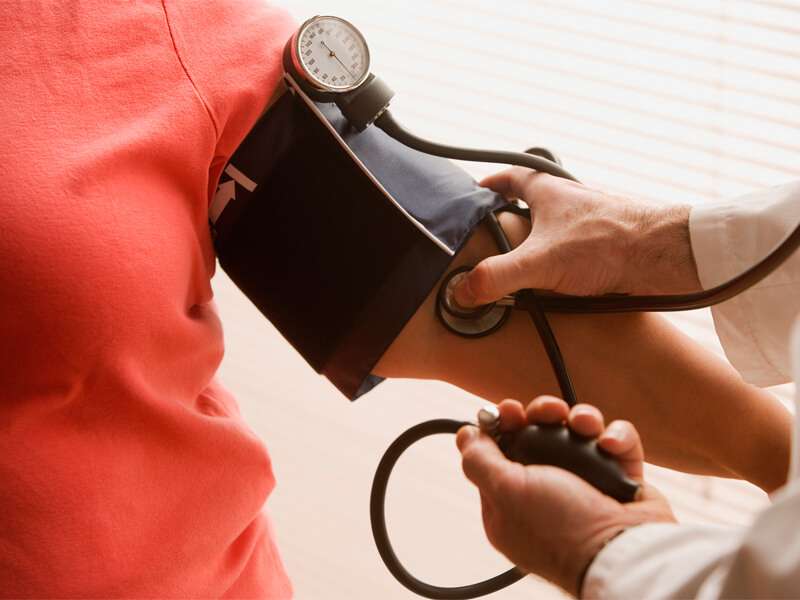
High blood pressure is a common condition that can increase the risk of heart disease and stroke if left untreated. It often presents without noticeable symptoms but requires consistent monitoring and control to prevent complications.
- Causes: Genetics, poor diet, stress, obesity, and sedentary lifestyle contribute to elevated blood pressure.
- Symptoms: Usually asymptomatic; in severe cases, headaches or dizziness may occur.
- Diagnosis: Multiple blood pressure readings over time help confirm hypertension.
- Treatment: Lifestyle changes such as diet and exercise are primary; medications like ACE inhibitors or beta-blockers may be prescribed.
- Management: Regular follow-ups to adjust therapy and monitor for organ damage are essential.
Effective blood pressure management significantly reduces risks of cardiovascular complications and promotes long-term health stability.