
Dr Payal Bhargava
About Me
Dr Payal Bhargava
MBBS
General Physician
10 Years Experience
Biography
My Clinic
OPD Hours
| Monday | Morning | 10:00 AM | - | 02:00 PM |
| Evening | 06:00 PM | - | 09:00 PM | |
| Tuesday | Morning | 10:00 AM | - | 02:00 PM |
| Evening | 06:00 PM | - | 09:00 PM | |
| Wednesday | Morning | 10:00 AM | - | 02:00 PM |
| Evening | 06:00 PM | - | 09:00 PM | |
| Thursday | Morning | 10:00 AM | - | 02:00 PM |
| Evening | 06:00 PM | - | 09:00 PM | |
| Friday | Morning | 10:00 AM | - | 02:00 PM |
| Evening | 06:00 PM | - | 09:00 PM | |
| Saturday | Morning | 10:00 AM | - | 02:00 PM |
| Evening | 06:00 PM | - | 09:00 PM | |
| Sunday | Morning | 10:00 AM | - | 02:00 PM |
| Evening | 06:00 PM | - | 09:00 PM |
Treatments
Specialised care and treatments offered
IRON DEFICIENCY ANEMIA
This is a condition where the body lacks sufficient iron for producing healthy red blood cells resulting in reduced oxygen delivery across tissues causing fatigue and weakness frequently seen across various age groups including children and women;
- Main Causes & Symptoms:: Poor nutrition, chronic blood loss (menstruation), poor absorption can lead to pale skin fatigue dizziness shortness of breath.
- dining Diagnostics Assessment techniques involve complete blood count CBC serum ferritin level measurement help identify severity extent deficiency.
OSTEOARTHRITIS

A degenerative joint condition primarily affecting older adults characterized by cartilage breakdown leading to joint pain and stiffness. It commonly involves knees, hips, hands, and spine.
- Causal Factors & Symptoms: Age-related wear-and-tear along with joint pain worsening with activity; swelling may also occur occasionally.
GASTROESOPHAGEAL REFLUX DISEASE (GERD)

This digestive disorder occurs when stomach acid frequently flows back into the esophagus causing irritation. It affects daily comfort and eating habits significantly.
- Main Symptoms: Heartburn sensation, regurgitation of food or sour liquid, chest discomfort especially after meals or lying down.
- The Diagnostic Process: Clinical evaluation supplemented by endoscopy or pH monitoring if symptoms persist despite treatment.
- Treatment Measures: Dietary adjustments avoiding trigger foods; weight management; medications like antacids or proton pump inhibitors are commonly used.
- Lifestyle Impact: Modifying sleep position and avoiding late meals improve symptom control dramatically over time.
The goal is to reduce acid reflux episodes thereby enhancing quality of life through tailored therapeutic plans under medical guidance.
ACUTE RESPIRATORY INFECTIONS
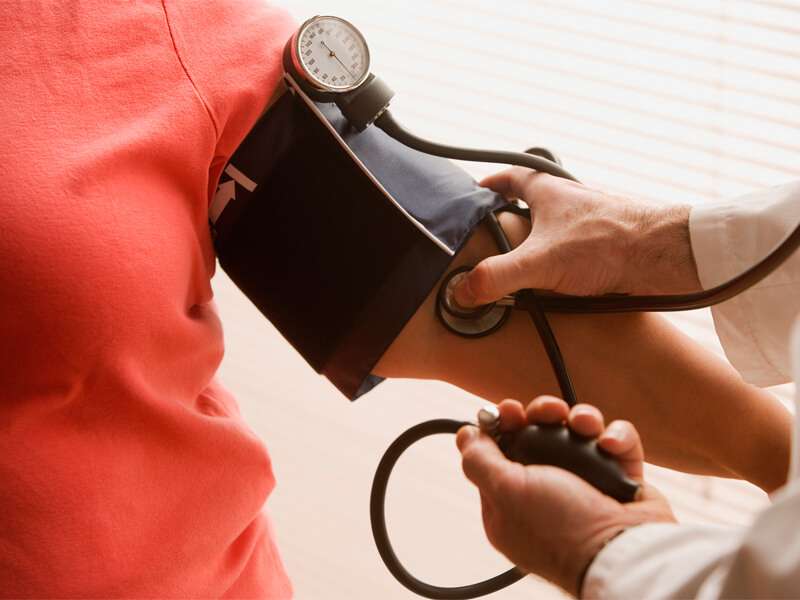
Infections affecting the respiratory tract often cause discomfort and impaired breathing and range from mild colds to more severe illnesses like bronchitis or pneumonia.
- Causative Factors: Viral infections are most common; bacterial causes may require different treatment approaches.
- Diagnostic Approach: Physical examination accompanied by history taking; sometimes chest X-rays or lab tests assist diagnosis.
- Treatment Options: Symptomatic relief with rest, hydration, fever reducers; antibiotics prescribed only when bacterial infection is identified.
- Avoiding Complications: Early intervention prevents progression to chronic respiratory conditions or hospitalization needs.
A combination of timely care and prevention measures such as vaccinations aids in recovery and reducing recurrence rates.
TYPE 2 DIABETES MELLITUS

Type 2 diabetes results from the body's ineffective use of insulin leading to high blood sugar levels over time. It is a chronic metabolic disorder requiring attention.
- Symptoms/Signs: Increased thirst, frequent urination, fatigue, and slow-healing wounds are common indicators.
- Diagnosis: Blood tests including fasting glucose and HbA1c levels confirm the diagnosis.
- Treatment Strategies: Emphasis on controlling blood sugar through dietary modifications, regular physical activity, oral medications, or insulin therapy in some cases.
- Prognosis: Proper control reduces risk of complications such as neuropathy, kidney damage, or cardiovascular diseases.
Lifelong management involves education on lifestyle and medication adherence for optimal long-term health outcomes.
HYPERTENSION MANAGEMENT
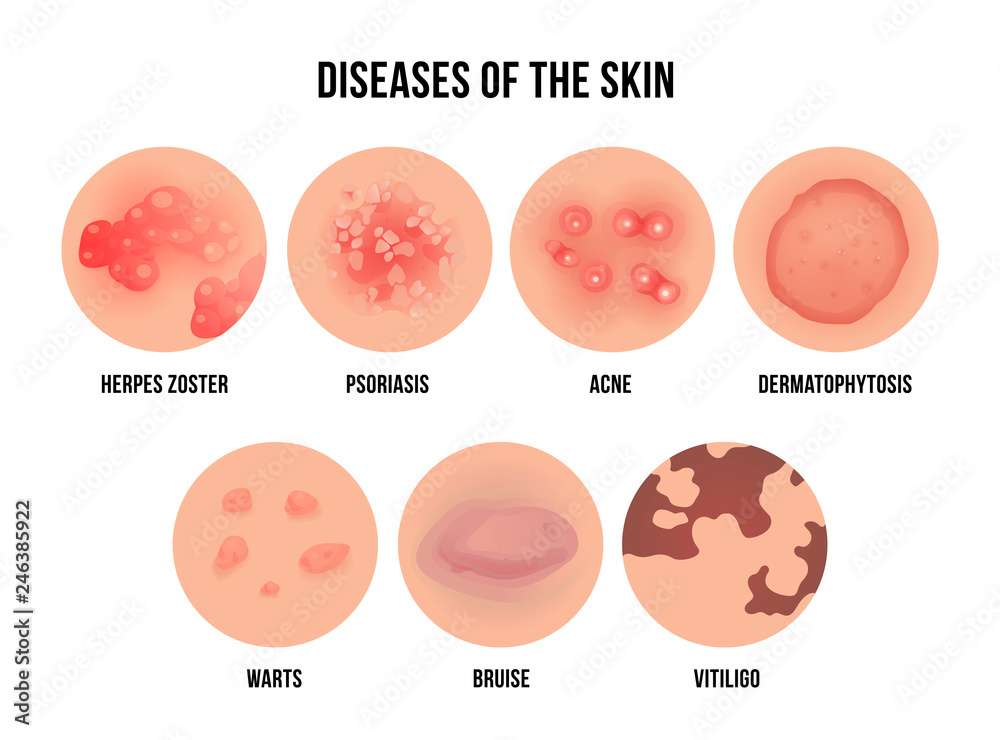
High blood pressure, also known as hypertension, is a common condition that can lead to serious health problems if left untreated.
- Symptoms and Causes: Often called a silent killer, it may not have obvious symptoms but can be triggered by genetics, lifestyle factors like diet and stress.
- Diagnosis: Regular monitoring of blood pressure readings using sphygmomanometers or ambulatory devices helps confirm diagnosis.
- Treatment and Management: Lifestyle changes such as diet, exercise, stress reduction, combined with antihypertensive medications when necessary.
- What to Expect: Ongoing follow-up is essential to adjust treatment and prevent complications like heart disease or stroke.
With consistent care and monitoring, people with hypertension can lead healthy lives while minimizing risks associated with elevated blood pressure.