
Dr Pawan Chataur
About Me
Dr Pawan Chataur
MBBS
Dermatologist
10 Years Experience
Biography
My Clinic
OPD Hours
| Monday | Morning | 10:00 AM | - | 02:00 PM |
| Evening | 06:00 PM | - | 09:00 PM | |
| Tuesday | Morning | 10:00 AM | - | 02:00 PM |
| Evening | 06:00 PM | - | 09:00 PM | |
| Wednesday | Morning | 10:00 AM | - | 02:00 PM |
| Evening | 06:00 PM | - | 09:00 PM | |
| Thursday | Morning | 10:00 AM | - | 02:00 PM |
| Evening | 06:00 PM | - | 09:00 PM | |
| Friday | Morning | 10:00 AM | - | 02:00 PM |
| Evening | 06:00 PM | - | 09:00 PM | |
| Saturday | Morning | 10:00 AM | - | 02:00 PM |
| Evening | 06:00 PM | - | 09:00 PM | |
| Sunday | Morning | 10:00 AM | - | 02:00 PM |
| Evening | 06:00 PM | - | 09:00 PM |
Treatments
Specialised care and treatments offered
CHEMICAL PEELS
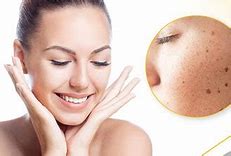
Chemical peeling involves applying acid solutions on the skin surface causing controlled exfoliation which promotes regeneration of healthier new skin layers improving texture and appearance significantly over time.
< ul >< li >< strong > Symptoms / Causes : Indicated primarily for acne scars , hyperpigmentation , sun damage and uneven skin tone linked to aging processes . < li >< strong > Diagnosis : Comprehensive assessment including skin type classification guides peel depth choice ensuring safety . < li >< strong > Treatment / Management : Different acids such as glycolic , salicylic or trichloroacetic acid are selected based on severity ; application times vary accordingly . < li >< strong > What To Expect : Temporary redness , flaking , peeling occurs post-procedure necessitating sun avoidance ; multiple treatments yield cumulative benefits . < p > When administered correctly chemical peels offer significant rejuvenation effects restoring youthful radiance safely across diverse complexions.CRYOTHERAPY FOR WARTS AND SKIN LESIONS
Cryotherapy uses extreme cold generated by liquid nitrogen applications to freeze and eliminate benign skin growths such as warts, actinic keratoses, and some superficial lesions safely without extensive tissue damage.
- Symptoms/Causes: Applied when common viral warts or precancerous lesions appear on hands, feet or exposed areas caused by HPV infection or sun damage respectively.
- Diagnosis:Treatment / Management : Liquid nitrogen is applied via spray or probe causing targeted freezing that destroys abnormal cells while preserving surrounding tissues .< li >< strong > What to Expect : Patients may experience mild pain , blister formation , crusting , which heal over days ; multiple sessions might be required depending on lesion size . < p > This approach provides an efficient , office-based option with minimal downtime facilitating rapid recovery from troublesome skin abnormalities .
PLATELET-RICH PLASMA (PRP) THERAPY FOR HAIR LOSS
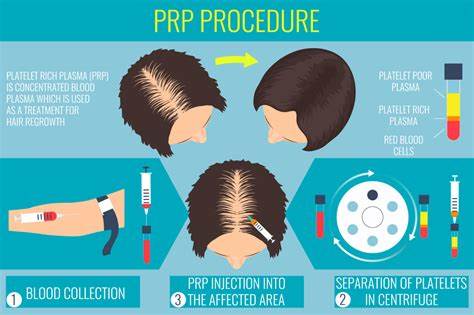
This innovative treatment uses components of your own blood concentrated into platelet-rich plasma injected into the scalp. It promotes natural hair regrowth by stimulating dormant follicles and enhancing blood supply.
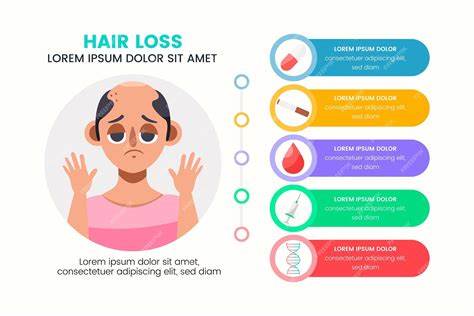
- Symptoms/Causes: Commonly prescribed for androgenetic alopecia or thinning hair conditions triggered by genetics or stress factors.
- Diagnosis: Includes detailed scalp examination along with medical history evaluation identifying underlying causes of hair loss.
- Treatment/Management: Blood is drawn from the patient, centrifuged to extract PRP, then carefully injected at targeted scalp sites over multiple sessions spaced weeks apart.
- What to Expect: Patients might notice gradual thickening of hair shafts within months post-treatment; mild soreness at injection sites is temporary and manageable.
This therapy harnesses the body's inherent healing mechanisms offering a natural alternative or complement alongside standard medical treatments for hair restoration.
PHOTODYNAMIC THERAPY (PDT)
This cutting-edge therapy combines photosensitizing agents with light exposure to destroy precancerous and superficial cancerous skin cells. It is minimally invasive and targets abnormal cells selectively.
- Symptoms/Causes: Used mainly for actinic keratosis, certain types of basal cell carcinoma, and acne treatment.
- Diagnosis: Skin lesions are clinically examined and sometimes biopsied before initiating therapy.
- Treatment/Management: The photosensitizer cream is applied to the affected area followed by controlled illumination using LED or laser light sources after incubation period.
- What to Expect: Treatment typically lasts 30-60 minutes per session; patients may experience redness, swelling, or mild discomfort post-procedure that resolves within days.
PDT offers excellent cosmetic outcomes because it selectively targets diseased tissue while sparing healthy skin, making it highly suitable for visible areas like the face and scalp.
LASER HAIR REMOVAL
This procedure utilizes concentrated light beams to target and destroy hair follicles, leading to permanent hair reduction. It's a popular choice for unwanted hair on various body parts.
- Symptoms/Causes: Excessive or unwanted hair growth can be due to hormonal imbalances or hereditary traits.
- Diagnosis: Assessment includes skin type evaluation and hair color analysis for optimal laser selection.
- Treatment/Management: Multiple sessions are typically necessary; treatment involves directing laser pulses that damage follicles without harming surrounding skin.
- What to Expect: Sessions are usually quick with mild discomfort; gradual hair thinning occurs over weeks, necessitating follow-ups for best results.
This method offers an effective long-term solution to manage unwanted hair safely when performed by experienced professionals using proper equipment.
MOHS MICROGRAPHIC SURGERY
Mohs surgery is a precise surgical technique used primarily to treat skin cancers. It involves the careful removal of skin cancer layer by layer while examining each under a microscope immediately.
- Symptoms/Causes: Indicated mainly for basal cell carcinoma and squamous cell carcinoma located in areas requiring conservation of healthy tissue.
- Diagnosis: Confirmed through biopsy followed by microscopic examination during surgery.
- Treatment/Management: Involves systematic removal of thin layers of cancerous tissue with immediate microscopic analysis to ensure complete excision.
- What to Expect: This process minimizes healthy tissue loss and offers a high cure rate with minimal scarring, especially beneficial for cosmetically sensitive areas.
The method ensures the entire tumor is removed with precision, reducing recurrence risk significantly compared to other treatments.