
Dr Parth Sarthi S
About Me
Dr Parth Sarthi S
MBBS
Diabetologist
10 Years Experience
Biography
My Clinic
OPD Hours
| Monday | Morning | 10:00 AM | - | 02:00 PM |
| Evening | 06:00 PM | - | 09:00 PM | |
| Tuesday | Morning | 10:00 AM | - | 02:00 PM |
| Evening | 06:00 PM | - | 09:00 PM | |
| Wednesday | Morning | 10:00 AM | - | 02:00 PM |
| Evening | 06:00 PM | - | 09:00 PM | |
| Thursday | Morning | 10:00 AM | - | 02:00 PM |
| Evening | 06:00 PM | - | 09:00 PM | |
| Friday | Morning | 10:00 AM | - | 02:00 PM |
| Evening | 06:00 PM | - | 09:00 PM | |
| Saturday | Morning | 10:00 AM | - | 02:00 PM |
| Evening | 06:00 PM | - | 09:00 PM | |
| Sunday | Morning | 10:00 AM | - | 02:00 PM |
| Evening | 06:00 PM | - | 09:00 PM |
Treatments
Specialised care and treatments offered
TYPE 2 DIABETES MELLITUS

A common metabolic disorder characterized by insulin resistance combined with inadequate insulin production leading to elevated blood glucose levels over time. It frequently affects adults but increasingly diagnosed in younger populations too.
- Risk factors & symptoms: Excess body weight, physical inactivity, family history contribute strongly; signs include increased thirst, fatigue frequent urination though can be gradual onset.
- How diagnosis occurs: Blood tests measuring fasting plasma glucose levels or HbA1c help confirm diagnosis efficiently.
- Treatment approaches: Focuses on lifestyle interventions initially followed by oral hypoglycemic agents; some cases require eventual insulin supplementation.
- What patients should anticipate: Long-term commitment necessary involving routine check-ups alongside medication adherence aiming at preventing cardiovascular issues among others.
Effective management allows many living well-controlled lives minimizing severe disease consequences through modern therapeutic options combined with patient cooperation.
DIABETIC RETINOPATHY
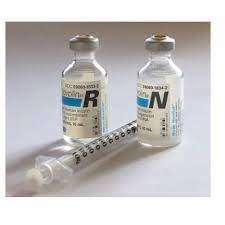
An eye complication caused by damage to the small blood vessels in the retina due to long-term uncontrolled diabetes. It may cause vision impairment or blindness if not detected early on.
- Epidemiology & symptoms:Affects individuals with prolonged hyperglycemia; early stages might have no symptoms but can progress to blurred or loss of vision over time.
- Diagnostic procedures:Dilated eye examinations along with retinal photography help identify different stages of retinopathy accurately.
- Treatment modalities:Tight glycemic control reduces risk; laser therapy or intraocular injections might be needed in advanced disease phases to preserve vision;
PREDIABETES MANAGEMENT
Prediabetes is a state where blood sugar levels are elevated above normal but not high enough for a diabetes diagnosis. It signals an increased risk of developing type 2 diabetes without timely intervention.
- Symptoms/causes:The condition generally shows no symptoms but correlates strongly with overweight status, sedentary lifestyle, and genetic predisposition.
- How it is detected:A fasting plasma glucose test or HbA1c between specific ranges indicates prediabetes stage requiring attention.
- Treatment strategies:Lifestyle changes focusing on weight reduction through diet improvement and increased physical activity play pivotal roles in prevention progression into full-blown diabetes.
- Status monitoring:If untreated, many progress within years; regular screening is necessary to adjust care plans accordingly over time.
Taking proactive measures during prediabetes offers promising outcomes in avoiding the onset of type 2 diabetes through sustained healthy habits.
DIABETIC NEUROPATHY
This condition involves nerve damage resulting from prolonged high blood glucose levels in diabetic patients. It commonly affects the legs and feet but can impact other parts of the body as well.
- Symptoms/causes: Patients may experience numbness, tingling, burning pain or weakness primarily in extremities due to nerve degeneration caused by chronic hyperglycemia.
- Diagnostic approach: Clinical evaluation supplemented by nerve conduction studies helps confirm diagnosis.
- Treatment options: Optimal glycemic control remains fundamental; medications for pain relief such as anticonvulsants or antidepressants may be prescribed.
- Lifestyle modifications: Foot care education is critical to avoid ulcers and infections that could lead to serious complications like amputation.
The progression of diabetic neuropathy can often be slowed with early intervention aimed at managing diabetes effectively.
GESTATIONAL DIABETES
Gestational diabetes occurs when high blood sugar develops during pregnancy in women who previously did not have diabetes. It usually resolves after childbirth but requires careful management to protect both mother and baby.
- Symptoms and causes: Often asymptomatic; risk factors include obesity, family history of diabetes, or advanced maternal age.
- Diagnosis: Typically screened between 24-28 weeks of gestation using oral glucose tolerance tests.
- Treatment methods: Diet modification, regular physical activity, and monitoring blood glucose levels are primary strategies; sometimes insulin therapy is needed.
- What to expect: Proper control reduces risks of complications such as macrosomia (large baby), preterm delivery, and preeclampsia.
A close follow-up during pregnancy helps ensure favorable outcomes for both mother and child in gestational diabetes cases.
TYPE 1 DIABETES MELLITUS
Type 1 diabetes mellitus is a chronic condition where the pancreas produces little or no insulin, a hormone critical for regulating blood sugar. This autoimmune disorder most often appears during childhood or adolescence but can develop at any age.
- Symptoms and causes: Common signs include increased thirst, frequent urination, unexplained weight loss, fatigue, and blurred vision. It results from immune-mediated destruction of insulin-producing beta cells.
- Diagnosis: Diagnosis involves blood tests such as fasting glucose levels, HbA1c, and presence of autoantibodies.
- Treatment options: Lifelong insulin therapy through injections or pumps is essential. Careful blood sugar monitoring and carbohydrate counting are key components.
- Management expectations: Patients need to adapt to lifestyle adjustments including diet and exercise to maintain optimal sugar control and prevent complications.
With ongoing medical advances, individuals with type 1 diabetes can lead healthy lives by adhering to treatment regimens and regular follow-up care.