
Dr Pareek Mardula
About Me
Dr Pareek Mardula
MS
Orthopaedic Surgeons
10 Years Experience
Biography
My Clinic
OPD Hours
| Monday | Morning | 10:00 AM | - | 02:00 PM |
| Evening | 06:00 PM | - | 09:00 PM | |
| Tuesday | Morning | 10:00 AM | - | 02:00 PM |
| Evening | 06:00 PM | - | 09:00 PM | |
| Wednesday | Morning | 10:00 AM | - | 02:00 PM |
| Evening | 06:00 PM | - | 09:00 PM | |
| Thursday | Morning | 10:00 AM | - | 02:00 PM |
| Evening | 06:00 PM | - | 09:00 PM | |
| Friday | Morning | 10:00 AM | - | 02:00 PM |
| Evening | 06:00 PM | - | 09:00 PM | |
| Saturday | Morning | 10:00 AM | - | 02:00 PM |
| Evening | 06:00 PM | - | 09:00 PM | |
| Sunday | Morning | 10:00 AM | - | 02:00 PM |
| Evening | 06:00 PM | - | 09:00 PM |
Treatments
Specialised care and treatments offered
CARPAL TUNNEL RELEASE SURGERY
Carpal tunnel release surgery addresses carpal tunnel syndrome caused by compression of the median nerve in the wrist. Symptoms typically worsen over time if left untreated and impact daily life significantly.
ANKLE ARTHROPLASTY
Ankle arthroplasty (total ankle replacement) aims to relieve chronic ankle pain caused by arthritis while preserving mobility. The procedure involves replacing damaged sections of the ankle joint with prosthetic components.
- The predominant symptom includes severe ankle pain during weight-bearing activities accompanied by swelling and tenderness around the joint area upholding discomfort level during routine movements.
- Diagnosis includes clinical evaluations alongside diagnostic imaging techniques such as X-rays showcasing cartilage deterioration within ankle joints affecting motion ranges considerably.
- Possible treatment alternatives start from conservative measures like bracing leading eventually towards surgical solutions focused on replacing worn-out articulations through advanced craftsmanship designing individualized prosthesis tailored toward anatomical needs
- Post-surgical routines often address gradual weight-bearing protocols coupled with physiotherapy directed towards restoring balance along gait functions qualitatively enriching life experiences thereafter
- The expected outcome envisions better functionality alongside diminished discomfort achieving remarkable improvements overall lifestyle adaptations post-recovery effectively enhancing overall therapeutic engagement prospects related towards ankle viability
Ankle arthroplasty represents an advanced treatment modality promising renewed activity levels coupled ensuring satisfactory outcomes stemming from proficient evaluations preceding operational interventions
SPINAL FUSION SURGERY

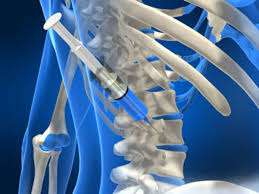
Spinal fusion surgery is indicated for patients suffering from spinal instability or severe back pain due to conditions like degenerative disc disease. The aim is to permanently join two or more vertebrae together for stability
- Key signs include persistent back pain radiating down limbs, numbness, or weakness indicating nerve involvement needing attention.
- A detailed diagnosis involves MRIs and CT scans which help visualize spinal alignment and disc health before proceeding with surgical options.
- Surgical techniques may vary but generally involve bone grafts that promote fusion between vertebrae while hardware provides support during healing.
- Recovery entails gradual mobilization under medical supervision alongside prescribed rehabilitation exercises aimed at strengthening core muscles.
- Successful outcomes frequently lead to substantial pain relief and improved functional capabilities in performing everyday tasks.
Spinal fusion has proven effective for patients seeking resolution of chronic back issues resulting from structural abnormalities.
SHOULDER LABRAL REPAIR

A shoulder labral repair is performed to address tears in the labrum, which is the cartilage surrounding the shoulder socket that stabilizes the joint. This condition may occur due to acute injuries or wear over time.
- Symptoms can manifest as shoulder pain, instability, or clicking sounds during movement.
- The diagnosis typically involves thorough physical exams coupled with MRI imaging revealing any damage to the labrum.
- Treatment options range from nonsurgical methods like physical therapy to surgical interventions that reattach the torn labrum using anchors.
- The recovery phase includes rest followed by tailored rehabilitation exercises aimed at restoring full functionality of the shoulder.
- Successful repairs often lead to restored stability and significant improvement in daily activities without pain.
This procedure plays an essential role in ensuring proper shoulder function post-injury or degeneration due to aging processes.
HIP REPLACEMENT SURGERY

Hip replacement surgery involves replacing damaged hip joint surfaces with artificial components. This procedure is typically recommended for patients suffering from severe arthritis or debilitating hip injuries.
- Symptoms often include chronic pain in the hip area, decreased range of motion, and difficulties in performing daily activities.
- Diagnosis includes physical examinations along with imaging studies like X-rays to assess joint damage levels.
- The primary goal of treatment is pain relief and improved function; options may vary from corticosteroid injections to total hip replacement depending on severity.
- Post-operative rehabilitation focuses on restoring mobility and strength through therapies designed for optimal recovery.
- Patients can expect significant pain reduction and enhanced quality of life following surgery.
This surgical intervention has a high success rate and can dramatically improve mobility for those affected by hip joint issues.
KNEE ARTHROSCOPY

Knee arthroscopy is a minimally invasive surgical procedure used to diagnose and treat various knee conditions. It involves the insertion of a tiny camera, known as an arthroscope, into the knee joint through small incisions.
- Common symptoms include persistent knee pain, swelling, and stiffness that do not improve with conservative treatments.
- The diagnosis often begins with a physical examination and is confirmed via imaging techniques such as MRI or X-ray.
- Treatment may involve repairing torn ligaments or cartilage, removing loose bodies, or washing out the joint to alleviate symptoms.
- Patients can expect quicker recovery times compared to open surgeries, usually returning to normal activities within weeks.
- Pain management post-surgery can include medications and physiotherapy tailored to individual needs.
Knee arthroscopy offers a reliable solution for many knee issues while minimizing recovery time and potential complications.