
Dr Pankaj Sharma & Nirtan Sharma
About Me
Dr Pankaj Sharma & Nirtan Sharma
MD
Dermatologist
10 Years Experience
Biography
My Clinic
OPD Hours
| Monday | Morning | 10:00 AM | - | 02:00 PM |
| Evening | 06:00 PM | - | 09:00 PM | |
| Tuesday | Morning | 10:00 AM | - | 02:00 PM |
| Evening | 06:00 PM | - | 09:00 PM | |
| Wednesday | Morning | 10:00 AM | - | 02:00 PM |
| Evening | 06:00 PM | - | 09:00 PM | |
| Thursday | Morning | 10:00 AM | - | 02:00 PM |
| Evening | 06:00 PM | - | 09:00 PM | |
| Friday | Morning | 10:00 AM | - | 02:00 PM |
| Evening | 06:00 PM | - | 09:00 PM | |
| Saturday | Morning | 10:00 AM | - | 02:00 PM |
| Evening | 06:00 PM | - | 09:00 PM | |
| Sunday | Morning | 10:00 AM | - | 02:00 PM |
| Evening | 06:00 PM | - | 09:00 PM |
Treatments
Specialised care and treatments offered
ROSACEA
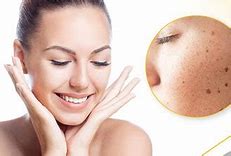
The condition known as rosacea leads to facial flushing or redness along with visible blood vessels on the face. It often starts as a tendency to blush easily but evolves into persistent redness if left untreated.
- Symptoms:The main features include facial redness primarily across the nose and cheeks along with small pus-filled bumps resembling acne.
- Causes:This complex disorder may be triggered by environmental factors like extreme temperatures or spicy foods; genetics play a role too in susceptibility
- {No Start: (continue)> }
- {No Start: (continue)> }
- {No Start: (continue)> }
PSORIASIS
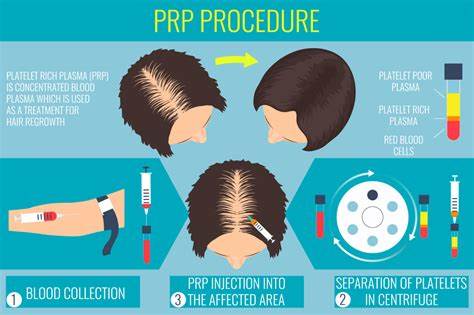
Psoriasis is an autoimmune condition that speeds up the lifecycle of skin cells resulting in scaling on the skin’s surface. It appears typically as raised red patches covered with thick silvery scales.
- Symptoms: Commonly affected areas include elbows, knees, scalp, lower back; symptoms include red patches of skin covered with thick scales.
- Causes: Triggers may encompass stress levels, injuries to the skin (cuts or sunburn), infections like strep throat or HIV infection.
- Diagnosis: A dermatologist diagnoses psoriasis through visual examination; sometimes a biopsy might be performed to rule out other conditions.
- Treatment options: Management strategies can vary from topical ointments to phototherapy or systemic medications depending upon severity
- What to expect: Treatment effectiveness varies among individuals but many achieve significant control over symptoms with personalized care plans.
Persistent issues related to psoriasis should be addressed proactively for better management outcomes from your dermatologist
ECZEMA
Eczema is a chronic inflammatory skin disorder characterized by itchy and inflamed patches of skin. It can affect people of all ages but is most common in children.
- Symptoms: Typical symptoms include dry patches of skin that can be red or brownish-gray, severe itching, and thickened or scaly areas.
- Causes: The exact cause remains unclear but may involve genetic factors, environmental triggers such as allergens or irritants, and immune system dysfunction.
- Diagnosis: Diagnosis is made based on the clinical presentation and sometimes requires allergy testing to identify triggers.
- Treatment options: Treatment usually involves moisturizing creams, topical corticosteroids, antihistamines for itching, and avoidance of known irritants.
- What to expect: While eczema can be persistent, consistent care can significantly reduce flare-ups and improve quality of life over time.
If you experience symptoms of eczema, consult with a dermatologist for tailored management strategies
ACNE VULGARIS
Acne vulgaris is a common skin condition that affects many individuals, particularly during adolescence. It occurs when hair follicles become clogged with oil and dead skin cells, leading to the formation of pimples and cysts.
- Symptoms: The primary symptoms include comedones (blackheads and whiteheads), inflamed red bumps, and cystic lesions.
- Causes: Factors contributing to acne can include hormonal changes, stress, genetics, and certain medications.
- Diagnosis: Dermatologists typically diagnose acne through physical examination and patient history assessment.
- Treatment options: Management includes topical treatments like retinoids and benzoyl peroxide, oral antibiotics, and lifestyle modifications such as dietary changes.
- What to expect: With appropriate treatment, most patients notice improvements within weeks; however, it may take several months to fully clear up the skin.
If you are struggling with acne vulgaris, know that effective treatments are available to help restore your skin's health and appearance.