
DR Pankaj Rastogi
About Me
DR Pankaj Rastogi
MD
Cardiologist
10 Years Experience
Biography
My Clinic
OPD Hours
| Monday | Morning | 10:00 AM | - | 02:00 PM |
| Evening | 06:00 PM | - | 09:00 PM | |
| Tuesday | Morning | 10:00 AM | - | 02:00 PM |
| Evening | 06:00 PM | - | 09:00 PM | |
| Wednesday | Morning | 10:00 AM | - | 02:00 PM |
| Evening | 06:00 PM | - | 09:00 PM | |
| Thursday | Morning | 10:00 AM | - | 02:00 PM |
| Evening | 06:00 PM | - | 09:00 PM | |
| Friday | Morning | 10:00 AM | - | 02:00 PM |
| Evening | 06:00 PM | - | 09:00 PM | |
| Saturday | Morning | 10:00 AM | - | 02:00 PM |
| Evening | 06:00 PM | - | 09:00 PM | |
| Sunday | Morning | 10:00 AM | - | 02:00 PM |
| Evening | 06:00 PM | - | 09:00 PM |
Treatments
Specialised care and treatments offered
ATRIAL FIBRILLATION ABLATION

Atrial fibrillation ablation offers hope for individuals struggling with persistent irregular heartbeat patterns. This minimally invasive technique aims at restoring regular heartbeat by targeting areas responsible for erratic signals in the atria through precise destruction via heat (radiofrequency) or extreme cold (cryoablation).
- Symptoms: Patients may experience palpitations, feeling lightheaded, extremely fatigued etc., prompting intervention efforts when conventional medicines fail effectively manage their condition excessiveness!
- Diagnosis: Prior assessments involve thorough ECG analysis highlighting AF characteristics alongside electrophysiological studies identifying target zones needing intervention best suited based upon personalized evaluations made possible thanks advanced technology available today – monitored closely throughout processes guaranteeing optimal outcomes achieved safely each step along way forward together towards successful recovery journey ahead!!
PACEMAKER IMPLANTATION
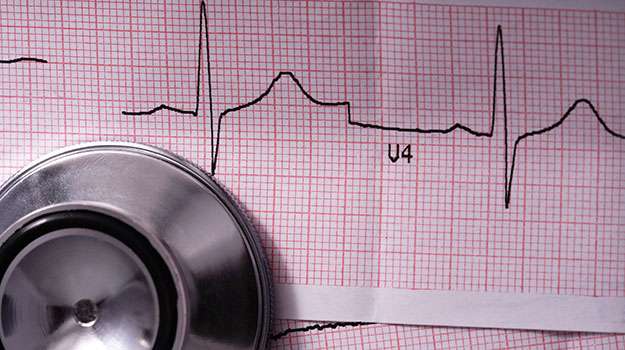
A pacemaker implantation involves placing a small device under your skin that sends electrical signals to help regulate abnormal heartbeat rhythms. It’s essential for managing arrhythmias where the heart beats too quickly or slowly.
- The need may arise from conditions such as atrial fibrillation or bradycardia where natural impulse formation fails due to underlying issues in electrical conduction in the heart.
- The procedure typically takes place under local anesthesia; leads are inserted into one of your heart chambers guided through veins while monitoring via ECG.
- You can usually go home after one day of observation post-surgery with very minimal recovery time required following discharge!
- Pacemaker effectiveness includes better management of symptoms like dizziness & fatigue with improved overall quality-of-life means you can lead an active life again!
This small yet powerful device becomes an integral part of maintaining normalcy amidst fluctuating rhythms!
CARDIAC STRESS TEST
A cardiac stress test evaluates how well your heart performs under physical stress. This assessment helps identify potential coronary artery disease by monitoring your heart’s response during exercise or medication-induced stress.
- Indications: Typically recommended if you have unexplained chest pain or risk factors for coronary artery disease such as hypertension or diabetes.
- Procedure details: You’ll walk on a treadmill or pedal a stationary bike while your heart rate and blood pressure are monitored closely at intervals during the test.
- The doctor assesses heart rhythm changes, blood pressure response, and exercise capacity based on monitored parameters throughout the session.
HOLTER MONITORING
A Holter monitor is a portable device used to continuously record heart rhythms over 24-48 hours. It's particularly useful for detecting irregular heartbeats that may not appear during standard examinations.
- Use case: It's often recommended when patients report symptoms like dizziness or palpitations that warrant further investigation.
- How it works: Electrodes are attached to your skin to track electrical activity; you're usually asked to keep a diary of activities and symptoms during this period.
- Analysis: After wearing the monitor, data is reviewed by a cardiologist who looks for irregularities in heartbeat patterns.
This test can provide critical insights into your cardiac health without requiring any invasive procedures.
ECHOCARDIOGRAM
An echocardiogram is a key diagnostic tool that uses ultrasound waves to create images of the heart's structure and function. It helps in assessing various cardiac conditions without any discomfort for the patient.
- Purpose: This test evaluates heart chambers, valves, and blood flow; it's crucial for diagnosing heart diseases like valve disorders or cardiomyopathy.
- How it’s done: A technician places small devices on your chest that emit sound waves, which bounce off the heart structures and create images on a monitor.
- No preparation needed: Unlike some other tests, no special preparation or hospitalization is required for an echocardiogram.
- Results interpretation: A cardiologist will analyze the results to determine if there are abnormalities in your heart's structure or motion.
This non-invasive test provides valuable information on your cardiovascular health with no side effects.
CORONARY ANGIOPLASTY
Coronary angioplasty is a minimally invasive procedure used to open narrowed or blocked coronary arteries. This treatment aims to restore blood flow to the heart muscle, which can be compromised by the buildup of fatty deposits known as plaques.
- Symptoms: Patients may experience chest pain, shortness of breath, or fatigue during physical activity.
- Diagnosis: Coronary angiography is typically performed to visualize the blockage within the arteries using X-ray imaging and contrast dye.
- Treatment: During the procedure, a catheter with a balloon at its tip is inserted into the affected artery. The balloon is inflated to widen the artery and often followed by placing a stent to keep it open.
- Management: Post-procedure, lifestyle changes such as diet modification, regular exercise, and medication adherence are essential for long-term heart health.
- Expectations: Most patients can return home within a few hours after the procedure and resume normal activities within a few days, but follow-up care is essential.
This procedure can significantly improve quality of life by relieving symptoms and lowering heart attack risk.