
Dr Pankaj Jain
About Me
Dr Pankaj Jain
MS
Orthopaedic Surgeons
10 Years Experience
Biography
My Clinic
OPD Hours
| Monday | Morning | 10:00 AM | - | 02:00 PM |
| Evening | 06:00 PM | - | 09:00 PM | |
| Tuesday | Morning | 10:00 AM | - | 02:00 PM |
| Evening | 06:00 PM | - | 09:00 PM | |
| Wednesday | Morning | 10:00 AM | - | 02:00 PM |
| Evening | 06:00 PM | - | 09:00 PM | |
| Thursday | Morning | 10:00 AM | - | 02:00 PM |
| Evening | 06:00 PM | - | 09:00 PM | |
| Friday | Morning | 10:00 AM | - | 02:00 PM |
| Evening | 06:00 PM | - | 09:00 PM | |
| Saturday | Morning | 10:00 AM | - | 02:00 PM |
| Evening | 06:00 PM | - | 09:00 PM | |
| Sunday | Morning | 10:00 AM | - | 02:00 PM |
| Evening | 06:00 PM | - | 09:00 PM |
Treatments
Specialised care and treatments offered
KNEE ARTHRITIS
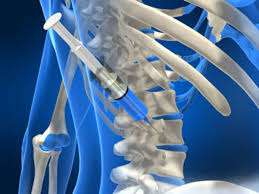
Knee arthritis encompasses inflammation within knee joints resulting in significant discomfort during movement. This condition affects individuals across various ages but is particularly prevalent among older adults due to wear-and-tear changes over time.
- Symptoms : Key indicators include knee pain exacerbated with activity alongside swelling causing limited range-of-motion capabilities.
- Causes : Age-related degradation combined with prior injuries contributes greatly towards development prevalence amongst aging populations dominating clinical observations today.
- Diagnosis : Medical evaluations alongside images such as X-rays are essential tools utilized during diagnostic processes aimed at determining severity levels observed across varying stages encountered concurrently within patients seeking care solutions here previously highlighted before now!
- Treatment options = Regular low-impact exercise coupled with weight management strategies serve best non-invasive ways available presently known while significant improvements happen via physiotherapy measures directly targeted towards addressing underlying mechanics contributing directly towards symptomatic experiences each patient endures!
= Ensuring comprehensive management plans allow optimized responses enhancing long-term effectiveness enabling them comfortably navigate their lives without unnecessary restrictions imposed further still thereafter trying achieve recovery goals anticipated above described successfully instead gradually progressing forward positively moving ahead overall!
ROTATOR CUFF INJURIES

The rotator cuff consists of muscles and tendons that stabilize the shoulder joint. Injuries here are prevalent among athletes as well as active adults engaged in overhead activities.
- Symptoms : Pain during arm lifting motions along with weakness is frequently reported; certain movements might be restricted due to discomfort.
- Causes : Trauma from falls or repetitive use during sports tends often lies behind these injuries.
- Diagnosis : Physicians utilize both physical assessments alongside imaging techniques like MRIs for accurate evaluation.
- Treatment options : Non-surgical strategies include physical therapy aimed at strengthening surrounding muscles; surgery might become necessary if conservative methods fail.
- Recovery expectations : Proper rehabilitation enhances recovery chances significantly as it focuses on regaining mobility while reducing pain levels over time.
Addressing rotator cuff injuries promptly not only alleviates symptoms but also minimizes long-term repercussions on shoulder functionality.
CARPAL TUNNEL SYNDROME

This condition arises when the median nerve becomes compressed at the wrist. It leads to various symptoms affecting hand function and sensation which can impact daily activities significantly.
- Symptoms: Patients commonly experience tingling sensations, numbness in fingers (especially the thumb), and weakness when gripping objects.
- Causes: Repetitive wrist movements or conditions like diabetes can increase the likelihood of developing carpal tunnel syndrome.
- Diagnosis: A healthcare provider may perform a nerve conduction study alongside a clinical examination for accurate diagnosis.
surgical intervention might be considered.
Catching carpal tunnel syndrome early allows for better management outcomes and a quicker return to normal activities without discomfort.
TENDINITIS

Tendinitis is characterized by inflammation of a tendon, often due to repetitive use. It can affect various parts of the body but is particularly common in athletes and active individuals.
- Symptoms: In most cases, patients report localized pain near joints during movement as well as stiffness after periods of inactivity.
- Causes: Overuse injuries or sudden increases in activity levels are typical causes; age-related degeneration may also contribute to development.
- Diagnosis: Physical examination combined with imaging studies such as ultrasound helps accurately diagnose tendinitis.
- Treatment options: Initial treatment often includes rest, ice therapy, anti-inflammatory medications, and physical therapy; severe cases may require injections or surgery.
The goal of treatment is not only to alleviate pain but also to restore function while preventing future episodes of inflammation.
FRACTURES

A fracture refers to a break in a bone that can occur due to trauma or overuse. Understanding fractures is crucial for effective treatment and recovery strategies.
- Symptoms: Signs often include severe pain at the injury site, swelling, bruising, or an inability to move the affected limb.
- Causes: High-impact activities, falls or accidents are common reasons for fractures; some may also result from conditions that weaken bones.
- Diagnosis: Doctors usually confirm fractures through physical exams accompanied by imaging tests such as X-rays.
- Treatment options: Treatment may involve immobilization with splints or casts; surgery might be needed for more complex fractures.
- Recovery expectations: Healing times can vary based on fracture type and location but typically range from weeks to several months.
Timely intervention is key to ensuring proper healing and minimizing complications associated with bone fractures.
OSTEOARTHRITIS

Osteoarthritis is a degenerative joint disease that affects millions of people worldwide. It occurs when the cartilage that cushions the ends of bones deteriorates over time, leading to pain and stiffness in the affected joints.
- Symptoms: Common signs include joint pain, swelling, and reduced flexibility.
- Causes: This condition can arise from age, obesity, previous joint injuries, or hereditary factors.
- Diagnosis: A thorough physical examination and imaging tests like X-rays or MRIs are typically used to identify osteoarthritis.
- Treatment options: Management may involve lifestyle changes, physical therapy, medications for pain relief, and in severe cases, surgical intervention.
- Expectations: With appropriate treatment, many individuals experience a reduction in symptoms and an improvement in their quality of life.
Effective management can help maintain joint function and improve daily activities for those affected by osteoarthritis.