
Dr Pankaj Agarwal
About Me
Dr Pankaj Agarwal
MS
Orthopaedic Surgeons
10 Years Experience
Biography
My Clinic
OPD Hours
| Monday | Morning | 10:00 AM | - | 02:00 PM |
| Evening | 06:00 PM | - | 09:00 PM | |
| Tuesday | Morning | 10:00 AM | - | 02:00 PM |
| Evening | 06:00 PM | - | 09:00 PM | |
| Wednesday | Morning | 10:00 AM | - | 02:00 PM |
| Evening | 06:00 PM | - | 09:00 PM | |
| Thursday | Morning | 10:00 AM | - | 02:00 PM |
| Evening | 06:00 PM | - | 09:00 PM | |
| Friday | Morning | 10:00 AM | - | 02:00 PM |
| Evening | 06:00 PM | - | 09:00 PM | |
| Saturday | Morning | 10:00 AM | - | 02:00 PM |
| Evening | 06:00 PM | - | 09:00 PM | |
| Sunday | Morning | 10:00 AM | - | 02:00 PM |
| Evening | 06:00 PM | - | 09:00 PM |
Treatments
Specialised care and treatments offered
FRACTURE CARE
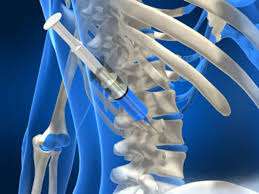
A fracture refers to any break in the continuity of a bone due primarily either from trauma events or underlying medical conditions weakening bones over time. Prompt care is essential!
- Symptoms: Signs typically include severe localized pain along with swelling bruising or deformity associated within impacted areas.< li > Diagnosis: Accurately diagnosing fractures often involves physical examinations coupled alongside radiological assessments confirming the severity involved within overall healing processes required post-injury. < li >Treatment methodologies:> Initial stabilization may occur using casting immobilization preventing further harm allowing natural healing mechanisms function adequately without interference occurring undesirably during recovery spans achieved over time expectations set during follow-up appointments ensuring all milestones discussed upward thereafter.< br/>< span style=' font-weight:bold;'>Anticipated outcomes: Growing together while remaining committed leads patients developing confidence knowing complete mobility restoration will remain possible so long attention placed regularly would remain intact aiming higher towards achieving best realities envisioned ahead ultimately!&< p /> As such understanding fracture types allows individuals proactively seeking timely assistance thus improving overall healing opportunities tremendously down respective pathways through experienced care teams delivering specialized solutions each step onward across phases traversed along journeys shared together ultimately wrapped fully within trusting environments cultivated meticulously towards new horizons discovered naturally emerged prosperously beyond perceived limitations towards fresh beginnings blossoming beautifully unfurling around successful recoverers hidden strengths revealed lighting brighter paths forward thereby illuminating paths transcending limits before faced leading steadfast journeys renewed meanwhile enriching lives touched outwardly transforming communities within advancing excellence.'
TENDINITIS MANAGEMENT
Tendinitis occurs when tendons become inflamed from overuse or injury. It usually presents itself with pain during movement resulting in limited functionality in affected areas.
- Causes: Repetitive motions during sports or work-related tasks frequently lead to this condition.< li > Diagnosis: An initial examination combined with imaging tests allows accurate identification of tendon issues.< li > Treatment approaches: Options above simple rest could involve ice therapy followed by stretching exercises through guided physiotherapy sessions.< li > What you can anticipate: Most patients see improvement after following prescribed rehabilitation techniques maintaining vigilance against future injuries throughout their recovery process.
Understanding how tendinitis develops ensures prompt action allows individuals returning back towards more active lifestyles sooner rather than later.
JOINT PAIN ASSESSMENT

Persistent joint pain affects millions of people globally and may stem from various conditions. Understanding the root cause is vital for effective treatment strategies.
- Symptoms; Patients typically report ongoing discomfort that worsens with activity or weather changes.
- Diagnosis; Comprehensive evaluations including x-rays or MRIs help pinpoint underlying issues causing pain.
- Treatment options;> Available treatments may incorporate medications such as NSAIDs or corticosteroids alongside therapeutic exercises.< li >Expectations; Progress might vary but many patients experience significant relief with an appropriate treatment plan designed specifically for their needs.
Timely assessment ensures that underlying joint problems are addressed early on providing optimal results.
SPORTS INJURY REHABILITATION

Sports injuries are prevalent among active individuals and can vary from minor sprains to major tears. Rehabilitation is key for a safe return to activities.
- Symptoms: Common symptoms include pain, swelling, bruising, or inability to use the affected area normally.
- Diagnosis: A thorough assessment including physical examination and imaging studies is necessary for accurate diagnosis.
- Treatment options: Options include rest, physiotherapy, surgical interventions if needed, tailored exercise programs for recovery.
- Your rehabilitation journey: Expect gradual progress with a focus on regaining strength and flexibility through structured guidance.
A dedicated rehabilitation program helps minimize the risk of re-injury while promoting recovery effectively.
OSTEOPOROSIS SCREENING

Losing bone density can lead to osteoporosis, increasing fracture risk. This condition is often silent until a fracture occurs, making screening essential for early detection.
- Causes: Factors such as age, gender, family history, and lifestyle choices contribute to its development.
- Diagnosis: DEXA scans are commonly used to measure bone mineral density.
- Treatment: Treatment may involve medications, dietary changes, and strength-training exercises to enhance bone health.
- Your expectations: Early intervention can lead to better outcomes in maintaining bone integrity.
A comprehensive approach increases awareness and promotes preventive care in osteoporosis management.
ARTHRITIS MANAGEMENT

Arthritis is a common condition characterized by inflammation of the joints, leading to pain and stiffness. It can significantly impact daily activities and quality of life. Early intervention is crucial for effective management.
- Symptoms: Patients may experience joint pain, swelling, and decreased range of motion.
- Diagnosis: Healthcare professionals often use physical examinations, medical history, and imaging tests to confirm arthritis.
- Treatment: Management options include medication, physical therapy, and lifestyle modifications to alleviate symptoms.
- What to expect: Patients can expect a personalized treatment plan aimed at improving function and reducing discomfort.
A proactive approach can help maintain movement and prevent further joint damage.