
Dr P S Trivedi Yo
About Me
Dr P S Trivedi Yo
MBBS
General Physician
10 Years Experience
Biography
My Clinic
OPD Hours
| Monday | Morning | 10:00 AM | - | 02:00 PM |
| Evening | 06:00 PM | - | 09:00 PM | |
| Tuesday | Morning | 10:00 AM | - | 02:00 PM |
| Evening | 06:00 PM | - | 09:00 PM | |
| Wednesday | Morning | 10:00 AM | - | 02:00 PM |
| Evening | 06:00 PM | - | 09:00 PM | |
| Thursday | Morning | 10:00 AM | - | 02:00 PM |
| Evening | 06:00 PM | - | 09:00 PM | |
| Friday | Morning | 10:00 AM | - | 02:00 PM |
| Evening | 06:00 PM | - | 09:00 PM | |
| Saturday | Morning | 10:00 AM | - | 02:00 PM |
| Evening | 06:00 PM | - | 09:00 PM | |
| Sunday | Morning | 10:00 AM | - | 02:00 PM |
| Evening | 06:00 PM | - | 09:00 PM |
Treatments
Specialised care and treatments offered
SEASONAL ALLERGIC RHINITIS CONTROL
This allergic reaction affects the nasal passages primarily during certain times of year due to pollen exposure causing uncomfortable symptoms impacting daily activities easily treatable under medical guidance
&ANEMIA EVALUATION AND TREATMENT

Anemia occurs when your blood lacks enough healthy red blood cells or hemoglobin which impairs oxygen delivery to tissues resulting in fatigue and weakness.
- Spectrum of Symptoms & Causes: Pallor, dizziness, shortness of breath on exertion; causes vary from nutritional deficiencies to chronic diseases or blood loss.
- The Diagnostic Approach: Blood tests including complete blood count (CBC), iron studies determine type and severity of anemia helping guide treatment decisions.
- Treatment Strategies: Nutritional supplementation such as iron pills for deficiency anemia; addressing underlying causes is critical for other types like chronic disease anemia.
- {@link Monitoring Expectations}
GASTROESOPHAGEAL REFLUX DISEASE (GERD) MANAGEMENT

This digestive disorder occurs when stomach acid frequently flows back into the esophagus causing discomfort and potential damage over time.
- Causative Factors & Symptoms: Heartburn, regurgitation, chest discomfort often after eating; obesity and diet contribute significantly.
- Eliciting Diagnosis: Clinical evaluation supported by endoscopy or pH monitoring in uncertain cases helps identify severity.
- Treatment Methods: Lifestyle modifications such as weight loss and diet changes combined with antacids or proton pump inhibitors reduce acid production effectively.
- Lifestyle Advice: Avoiding late meals, elevating head during sleep decrease nighttime reflux episodes considerably.
A tailored treatment plan results in symptom relief for most patients with GERD over time without invasive procedures needed initially.
ACUTE RESPIRATORY INFECTION TREATMENT
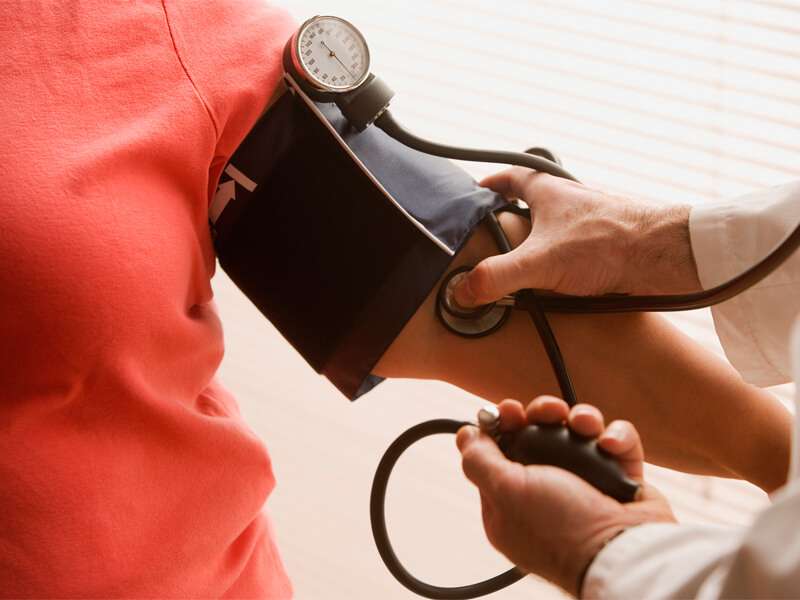
Infections affecting the respiratory tract are common reasons for doctor visits and can range from mild colds to more significant illnesses like bronchitis.
- Causes & Symptoms: Viral or bacterial infection causes coughing, sore throat, nasal congestion, sometimes fever and fatigue.
- Diagnosis: Physical examination plus patient history guides diagnosis; occasionally chest x-rays if lower respiratory involvement is suspected.
- Treatment Options: Supportive care including hydration, rest, over-the-counter medications; antibiotics only if bacterial infection is confirmed.
- Prognosis: Most recover fully within 1-2 weeks; close monitoring advised if symptoms worsen or persist longer than expected.
A careful approach helps ensure effective recovery while minimizing unnecessary antibiotic use.
TYPE 2 DIABETES MELLITUS CARE

This chronic condition affects how your body processes blood sugar (glucose), leading to elevated levels that require medical attention for prevention of complications.
- Symptoms & Causes: Increased thirst, frequent urination, fatigue; caused by insulin resistance often linked to overweight or sedentary lifestyle.
- Diagnosis: Blood tests including fasting glucose and HbA1c are used to confirm diagnosis.
- Treatment & Management: Emphasis on dietary adjustments, physical activity, oral medications or insulin therapy as prescribed by a physician.
- Monitoring: Regular follow-ups help adjust therapy and prevent long-term issues such as nerve damage or eye problems.
An informed approach combined with consistent management allows many patients to live healthy lives despite diabetes.
HYPERTENSION MANAGEMENT

High blood pressure, or hypertension, is a common condition that increases the risk of heart disease and stroke. Managing it effectively can significantly improve quality of life.
- Symptoms & Causes: Often called the 'silent killer' because it may present no symptoms; causes include genetics, obesity, stress, and high salt intake.
- Diagnosis: Confirmed through multiple blood pressure readings in different settings and sometimes additional tests to check organ function.
- Treatment: Lifestyle changes such as diet, exercise, and medication like ACE inhibitors or beta-blockers are standard approaches.
- What to Expect: Regular monitoring is essential, and most patients can manage their condition well with adherence to treatment plans.
With timely intervention and routine care, hypertension can be controlled to prevent serious complications.