
Dr P N Mahendra Eye Institute
About Me
Dr P N Mahendra Eye Institute
MS
Cardiothorocic Surgeon
10 Years Experience
Biography
My Clinic
OPD Hours
| Monday | Morning | 10:00 AM | - | 02:00 PM |
| Evening | 06:00 PM | - | 09:00 PM | |
| Tuesday | Morning | 10:00 AM | - | 02:00 PM |
| Evening | 06:00 PM | - | 09:00 PM | |
| Wednesday | Morning | 10:00 AM | - | 02:00 PM |
| Evening | 06:00 PM | - | 09:00 PM | |
| Thursday | Morning | 10:00 AM | - | 02:00 PM |
| Evening | 06:00 PM | - | 09:00 PM | |
| Friday | Morning | 10:00 AM | - | 02:00 PM |
| Evening | 06:00 PM | - | 09:00 PM | |
| Saturday | Morning | 10:00 AM | - | 02:00 PM |
| Evening | 06:00 PM | - | 09:00 PM | |
| Sunday | Morning | 10:00 AM | - | 02:00 PM |
| Evening | 06:00 PM | - | 09:00 PM |
Treatments
Specialised care and treatments offered
TRANSCATHETER AORTIC VALVE REPLACEMENT (TAVR)
TAVR is an innovative procedure designed primarily for patients suffering from severe aortic stenosis who may be deemed high risk for traditional open-heart surgery. This minimally invasive technique replaces a malfunctioning valve using catheter-based methods rather than extensive thoracic interventions!
- Symptoms & Causes: Patients typically exhibit marked dyspnea (shortness breathing), chest discomfort alongside fatigue which arises due diminished blood flow caused by narrowed valvular openings!
- Diagnosis: Diagnosis amalgamates clinical assessments together diagnostic imaging like echocardiographs striving ascertain severity statuses beforehand decisive measures being taken ultimately.
- Treatment Strategies: TAVR employs catheters routed through groin-accessible arteries leading directly toward cardiac structures deploying new prosthetic valves allowing improved blood flow mechanisms restored significantly afterwards enhancing quality thresholds maintained generally.
- Expected Outcomes: As this procedure entails relatively lower invasiveness than conventional options overall recovery periods decrease dramatically whilst yielding favorable symptom reliefs resulting positive changes long term survival rates observed generally occurring accordingly!
This procedural evolution epitomizes cutting-edge advancements transforming conventional paradigms shaping modern-day interventional cardiothoracic concepts evolving continually forward!< / p
THORACOSCOPIC SURGERY
This minimally invasive approach involves utilizing small incisions alongside cameras allowing surgeons access within the thoracic cavity for diagnostic and therapeutic purposes. Thoracoscopic surgery enhances recovery times compared to traditional open surgeries due to its innovative techniques employed during operations.
- This technique proves beneficial in procedures like pleurodesis or resection of lung tumors where precision counts most; it typically requires less time under anesthesia compared to conventional methods.
- Recovery Process : Patients usually experience less postoperative pain while enjoying shorter hospital stays resultant from minimizing trauma inflicted during procedures initiated via tiny access points.
In summary , thoracoscopic surgery signifies significant advancements amid cardiothoracic surgical disciplines aiming towards expedited healing routes without sacrificing effectiveness .
LUNG LOBECTOMY
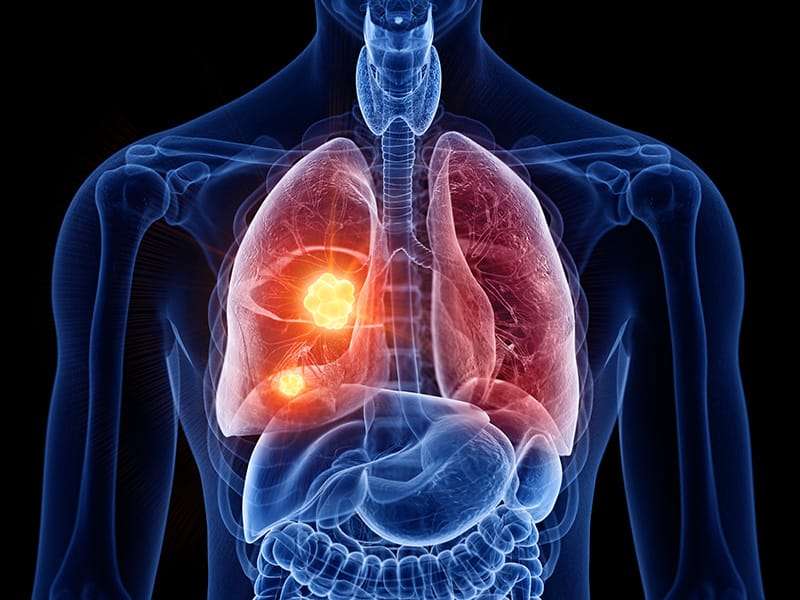
Lung lobectomy involves the surgical removal of one lobe of the lung affected by conditions such as cancer or severe infections. This procedure aims to eliminate diseased tissue while preserving healthy lung function as much as possible.
- Indications: The primary indications include non-small cell lung cancer (NSCLC) and localized infections unresponsive to other treatments.
- If diagnosed early, many cancers are removable with this technique, offering hope for long-term survival without compromising lung capacity significantly.
The decision for lobectomy should consider both potential benefits and risks associated with any lung surgery while ensuring thorough pre-operative evaluation.
AORTIC ANEURYSM REPAIR
Aortic aneurysm repair is essential for addressing a bulging weakened area in the wall of the aorta, which can lead to life-threatening ruptures if left untreated. Timely intervention is vital for preventing catastrophic outcomes.
- Symptoms: Many patients exhibit few symptoms; however, sudden back pain and abdominal discomfort are notable indicators when they do appear.
- Diagnosis: Imaging techniques like CT scans and ultrasounds help confirm diagnosis and determine aneurysm size.
- Treatment Options: Surgical repair can be conducted through open surgery or minimally invasive endovascular procedures depending on aneurysm characteristics.
The appropriate surgical approach can substantially reduce risks associated with possible rupture while improving overall vascular health.
VALVE REPAIR OR REPLACEMENT
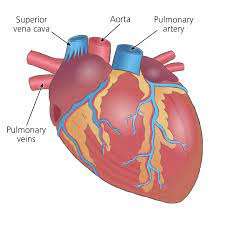
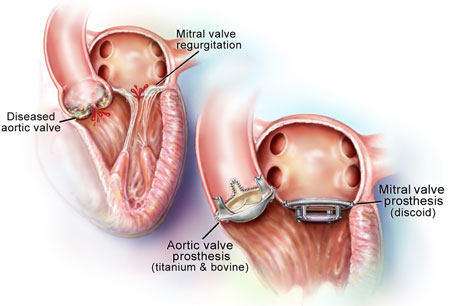
Valve repair or replacement is a critical surgical procedure performed on patients suffering from valve disorders that hinder normal blood flow through the heart. These disorders can lead to serious complications if not addressed promptly.
- Causes: Common causes include congenital defects, rheumatic fever, or age-related degeneration of heart valves.
- Diagnosis: Diagnosis may involve echocardiograms and cardiac MRI to assess valve function.
- Surgical Techniques: Depending on the condition's severity, either repair of the existing valve or replacement with mechanical or biological options may be executed.
- Recovery Process: Post-surgery recovery typically involves hospitalization followed by gradual rehabilitation under professional guidance.
The successful management of valve conditions can significantly enhance cardiac performance and patient well-being.
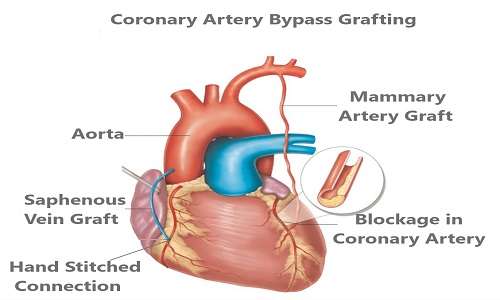
CORONARY ARTERY BYPASS GRAFTING (CABG)
Coronary Artery Bypass Grafting, commonly referred to as CABG, is a surgical procedure designed to improve blood flow to the heart. It is often recommended for patients with severe coronary artery disease, where the arteries supplying blood to the heart muscle become obstructed.
- Symptoms: Patients may experience chest pain or angina, shortness of breath, and fatigue during physical activity.
- Diagnosis: Diagnosis typically involves an electrocardiogram (ECG), stress tests, and coronary angiography.
- Treatment Options: Surgical intervention involves creating a graft using vessels from other parts of the body to bypass blocked arteries.
- Post-operative Care: Recovery includes monitoring in a hospital setting followed by rehabilitation programs aimed at lifestyle changes.
- Expectations: Most patients experience significant relief from symptoms and improvement in quality of life post-surgery.
This procedure plays a crucial role in managing heart disease and enhancing overall cardiovascular health.