
Dr P K Saxena KUM
About Me
Dr P K Saxena KUM
MBBS
Cardiologist
10 Years Experience
Biography
My Clinic
OPD Hours
| Monday | Morning | 10:00 AM | - | 02:00 PM |
| Evening | 06:00 PM | - | 09:00 PM | |
| Tuesday | Morning | 10:00 AM | - | 02:00 PM |
| Evening | 06:00 PM | - | 09:00 PM | |
| Wednesday | Morning | 10:00 AM | - | 02:00 PM |
| Evening | 06:00 PM | - | 09:00 PM | |
| Thursday | Morning | 10:00 AM | - | 02:00 PM |
| Evening | 06:00 PM | - | 09:00 PM | |
| Friday | Morning | 10:00 AM | - | 02:00 PM |
| Evening | 06:00 PM | - | 09:00 PM | |
| Saturday | Morning | 10:00 AM | - | 02:00 PM |
| Evening | 06:00 PM | - | 09:00 PM | |
| Sunday | Morning | 10:00 AM | - | 02:00 PM |
| Evening | 06:00 PM | - | 09:00 PM |
Treatments
Specialised care and treatments offered
PERCUTANEOUS TRANSLUMINAL CORONARY ANGIOPLASTY (PTCA)

This catheter-based procedure restores blood flow in occluded coronary arteries by mechanically widening narrow segments. PTCA is widely used as an alternative to open-heart surgery in selected cases of coronary artery disease.
HOLTER MONITORING
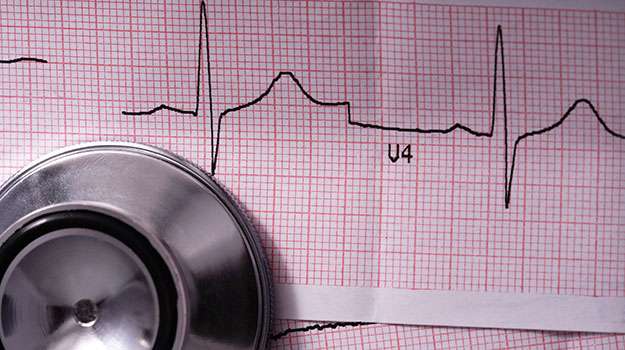
The Holter monitor is a portable device that records continuous ECG data over 24-48 hours. It's instrumental in detecting transient arrhythmias not identified during routine exams.
- Screens for irregularities: Useful when patients experience occasional palpitations, dizziness, or fainting without clear cause during office visits.
- User experience: Patients wear electrodes attached to their chest connected by wires to a compact recorder carried around all day including during sleep.
- Outcome benefits: Enables documentation of abnormal rhythms correlating them with symptoms which guides appropriate medication adjustments or interventions if needed.
AMBULATORY BLOOD PRESSURE MONITORING (ABPM)
This technique measures blood pressure continuously over 24 hours while patients go about their daily routines. ABPM offers more accurate readings beyond what can be captured during short clinic visits.
- Purpose: Detects sustained hypertension or white coat syndrome where readings are elevated only at medical offices.
- The process involves:A small cuff attached to a portable device worn on the arm that inflates periodically throughout day and night.
- Data use:The resulting patterns enable doctors to assess blood pressure fluctuations related to activities, sleep quality, and medication effectiveness.
- Tolerability:The device allows normal activity with minor intermittent discomfort due to cuff inflation but significantly improves diagnosis accuracy for tailored treatment plans.
This approach ensures precise assessment crucial for managing cardiovascular risks associated with hypertension effectively over time.
ECHOCARDIOGRAPHY
Echocardiography uses ultrasound waves to produce images of the heart's structure and function. This safe imaging technique offers critical insights into cardiac health without radiation exposure.
- Indications: Commonly utilized for assessing valve disorders, congenital heart defects, and overall cardiac performance when symptoms like breathlessness occur.
- How it works: A transducer emits sound waves that bounce off heart tissues; these echoes create moving images viewed on a screen in real-time.
- Treatment planning: Helps tailor appropriate interventions based on findings such as valve leakage severity or reduced pumping capacity.
- User-friendly: The procedure is painless, typically completed within 30-60 minutes in an outpatient setting.
This diagnostic modality is invaluable for monitoring existing conditions as well as guiding therapeutic decisions safely over time.
ELECTROCARDIOGRAM (ECG) MONITORING
An electrocardiogram (ECG) is a non-invasive test that records the electrical activity of the heart. It is essential in detecting various cardiac abnormalities early on.
- Purpose: Used to identify irregular heart rhythms, previous heart attacks, or other cardiac conditions presenting subtle symptoms like palpitations or dizziness.
- Procedure: Electrodes placed on the skin capture electrical signals; the test is quick, painless, and performed in-office.
- Interpretation: Results provide detailed information on heart rate and rhythm, helping plan further diagnostic or treatment strategies.
- Advantages: A simple screening tool valuable for routine checks especially in patients with risk factors such as high blood pressure or diabetes.
The ECG remains a cornerstone of cardiovascular evaluation due to its ease and ability to detect potentially serious issues promptly.
CORONARY ANGIOPLASTY
Coronary angioplasty is a minimally invasive procedure aimed at improving blood flow in narrowed or blocked coronary arteries. It helps relieve symptoms of heart disease and reduces the risk of heart attacks.
- Symptoms and causes: Often performed to treat chest pain (angina) caused by atherosclerosis, where plaque buildup restricts arterial flow.
- Diagnosis: Typically recommended after tests like ECG, stress tests, and coronary angiography confirm artery blockage.
- Treatment process: Involves threading a catheter with a balloon through the artery to the blockage site and inflating it to open the vessel; often includes stent placement to keep the artery open.
- Recovery: Usually performed under local anesthesia, with patients able to return home within 24 hours and resuming normal activities shortly after.
This procedure provides significant symptom relief and improves quality of life by restoring adequate blood supply to the heart muscle.