
Dr P K Rastogi
About Me
Dr P K Rastogi
MBBS
Cardiologist
10 Years Experience
Biography
My Clinic
OPD Hours
| Monday | Morning | 10:00 AM | - | 02:00 PM |
| Evening | 06:00 PM | - | 09:00 PM | |
| Tuesday | Morning | 10:00 AM | - | 02:00 PM |
| Evening | 06:00 PM | - | 09:00 PM | |
| Wednesday | Morning | 10:00 AM | - | 02:00 PM |
| Evening | 06:00 PM | - | 09:00 PM | |
| Thursday | Morning | 10:00 AM | - | 02:00 PM |
| Evening | 06:00 PM | - | 09:00 PM | |
| Friday | Morning | 10:00 AM | - | 02:00 PM |
| Evening | 06:00 PM | - | 09:00 PM | |
| Saturday | Morning | 10:00 AM | - | 02:00 PM |
| Evening | 06:00 PM | - | 09:00 PM | |
| Sunday | Morning | 10:00 AM | - | 02:00 PM |
| Evening | 06:00 PM | - | 09:00 PM |
Treatments
Specialised care and treatments offered
LIFESTYLE MODIFICATION FOR CARDIOVASCULAR HEALTH

The foundation of cardiovascular wellness begins with simple yet effective lifestyle adjustments that improve overall heart function. These preventive actions benefit both healthy individuals and those managing existing conditions alike.
- Nutrition: Emphasizing whole foods such as fruits , vegetables , lean proteins while minimizing processed sugars supports vascular integrity .
- Physical activity: At least 150 minutes per week of moderate aerobic exercise helps maintain optimal weight , lowers blood pressure , enhances circulation .
- Stress management: Techniques including meditation , yoga , adequate sleep contribute positively by reducing harmful cortisol effects on the cardiovascular system .
- Avoidance habits: Quitting smoking along with moderation in alcohol intake markedly reduce cardiac strain .
Sustained adoption of these behaviors under professional guidance fosters long-term protection against multiple heart diseases ensuring better health prospects overall.
CORONARY ARTERY DISEASE PREVENTION
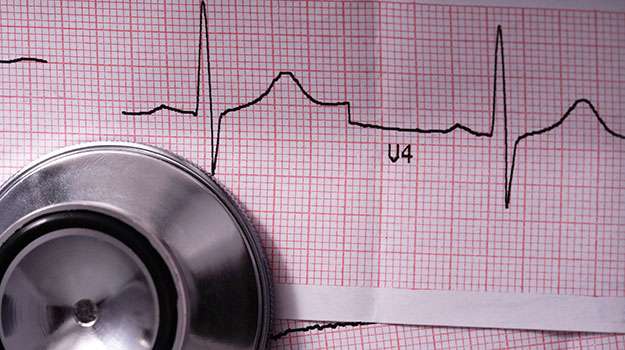
A proactive approach towards preventing coronary artery disease (CAD) focuses heavily on reducing risk factors through behavioral changes. This condition involves narrowing of arteries supplying the heart due to plaque buildup.
- Risk factors: Include smoking, high cholesterol levels, diabetes mellitus , obesity , physical inactivity .
- Preventive measures: Emphasize smoking cessation programs , balanced diet low in saturated fats , regular moderate exercise .
- Screening recommendations: Periodic assessments including lipid profiles , blood glucose monitoring , blood pressure checks aid in early intervention .
- Medication use: In some cases , preventive use of aspirin or statins may be advised based on individual cardiovascular risk .
By adopting sustained healthier habits alongside appropriate medical advice , patients can substantially decrease their likelihood of developing CAD over time.
ARRHYTHMIA MONITORING
Irrregular heart rhythms known as arrhythmias can range from benign to potentially serious conditions. Early detection and ongoing monitoring are critical for preventing complications.
- Causative factors: Can arise from electrolyte imbalances, structural heart issues or may occur idiopathically without clear cause.
- Diagnostic tools: Electrocardiograms (ECG), Holter monitors or event recorders capture abnormal rhythms over time for precise diagnosis.
- Treatment options: Include lifestyle changes avoiding stimulants like caffeine; medications such as beta-blockers; occasionally procedural interventions if indicated.
- Patient education: Understanding triggers can empower patients to minimize episodes through behavior modification techniques.
Ongoing surveillance combined with tailored treatment regimens is essential to safely manage arrhythmias while maintaining quality of life.
HEART FAILURE MANAGEMENT
Heart failure occurs when the heart cannot pump blood efficiently to meet the body's needs. It requires multifaceted care aimed at symptom relief and improving quality of life.
- Causes: Commonly due to coronary artery disease, high blood pressure or previous heart attacks leading to weakened heart muscle.
- Symptoms: Shortness of breath, fatigue, swelling in legs or abdomen often signal reduced cardiac function.
- Treatment approaches: Medications such as ACE inhibitors and diuretics help manage fluid retention; lifestyle adjustments include salt restriction and monitored physical activity.
- Lifestyle management: Regular follow-ups enable adjustment of therapies based on symptoms and functional status evaluation.
A comprehensive approach focusing on both medical therapy and daily habits can significantly improve outcomes for patients living with heart failure.
CHOLESTEROL CONTROL
Cholesterol plays a significant role in heart health, with imbalances potentially leading to artery blockages. Managing cholesterol levels is essential to lower the risk of coronary artery disease.
- Symptoms and Causes: High cholesterol usually has no symptoms; influenced by diet, genetics, physical activity level.
- Diagnosis: Blood tests measuring LDL, HDL, and triglycerides provide an accurate assessment.
- Treatment and Lifestyle Changes: Diet rich in fruits, vegetables, whole grains; regular aerobic exercise; medications like statins may be recommended based on risk profile.
- Monitoring: Routine blood lipid panels help track progress over time.
Addressing cholesterol through both lifestyle interventions and medical treatment when necessary plays a key role in maintaining healthy arteries and heart function.
HYPERTENSION MANAGEMENT
High blood pressure, or hypertension, is a common cardiovascular condition that requires careful control to prevent serious complications. Understanding and managing this condition is crucial for reducing the risk of heart attacks and strokes.
- Symptoms and causes: Often asymptomatic initially; causes include genetics, diet, stress, and sedentary lifestyle.
- Diagnosis: Regular blood pressure monitoring using sphygmomanometers during clinic visits or at home.
- Treatment options: Lifestyle modifications such as low-sodium diet, exercise, weight reduction; medications like ACE inhibitors or beta-blockers if needed.
- Management: Continuous monitoring and adherence to prescribed therapy are vital for success.
With consistent care and lifestyle changes, hypertension can be kept under control to help maintain overall cardiovascular health and prevent future complications.