
DR P K Rajwansi
About Me
DR P K Rajwansi
MBBS
General Physician
10 Years Experience
Biography
My Clinic
OPD Hours
| Monday | Morning | 10:00 AM | - | 02:00 PM |
| Evening | 06:00 PM | - | 09:00 PM | |
| Tuesday | Morning | 10:00 AM | - | 02:00 PM |
| Evening | 06:00 PM | - | 09:00 PM | |
| Wednesday | Morning | 10:00 AM | - | 02:00 PM |
| Evening | 06:00 PM | - | 09:00 PM | |
| Thursday | Morning | 10:00 AM | - | 02:00 PM |
| Evening | 06:00 PM | - | 09:00 PM | |
| Friday | Morning | 10:00 AM | - | 02:00 PM |
| Evening | 06:00 PM | - | 09:00 PM | |
| Saturday | Morning | 10:00 AM | - | 02:00 PM |
| Evening | 06:00 PM | - | 09:00 PM | |
| Sunday | Morning | 10:00 AM | - | 02:00 PM |
| Evening | 06:00 PM | - | 09:00 PM |
Treatments
Specialised care and treatments offered
PNEUMONIA

Pneumonia is an infection causing inflammation in lung air sacs which fill with fluid or pus making breathing difficult. Effective treatment depends on early identification of causative agents.
-
Spectrum of Symptoms:
Cough producing phlegm,mild-fever,chills,chest pain worsened by breathing/coughing,fatigue,and shortness of breath signal possible lung involvement.
r\
infection type varies from bacteria/viruses/fungi depending on individual factors.
r\
initial presentation guides diagnostic steps crucially.
r\
investigations include chest X-ray,blood tests,and sputum analysis determining pathogen responsible for tailored therapy
.
r\
treatment includes targeted antibiotic/antiviral regimes,supportive oxygen therapy if required,symptomatic relief measures,risk factor management like smoking cessation,
end-of-therapy reassessment ensures resolution r
eradication .
r\
prompt medical attention reduces risk complications such as lung abscesses,sepsis,and chronic lung disease development thereafter
.
Pneumonia requires comprehensive care approach combining medication adherence,risk mitigation,lifestyle modification,and vigilant follow-ups guaranteeing optimal respiratory health restoration.
DIABETIC KETOACIDOSIS (DKA)

This serious complication arises mostly in uncontrolled diabetes where insulin deficiency causes elevated blood sugar and acidic ketone build-up in the bloodstream. Prompt recognition saves lives.
- Main Symptoms: Nausea/vomiting, abdominal pain, deep rapid breathing (Kussmaul respiration), fruity breath odor along with altered consciousness suggest DKA development.
- Differential Diagnosis: This condition requires urgent lab tests including blood glucose levels, arterial blood gases indicating acidosis,and serum ketones for confirmation.
- Treatment Essentials: The cornerstone includes fluid replacement,decreasing glucose levels gradually with insulin therapy,electrolyte balancing,and monitoring vitals closely throughout therapy.
- Cautionary Notes: Rapid intervention prevents fatal outcomes,but delayed treatment worsens prognosis due to severe dehydration and electrolyte imbalance risks .
- If managed properly, patients usually recover fully though ongoing diabetes control remains vital post-crisis.
This acute medical emergency demands swift hospital management combined with education about regular diabetic care to avoid recurrences.
URINARY TRACT INFECTION (UTI)

A urinary tract infection results from bacteria entering the urinary system leading to inflammation. It’s one of the most frequent bacterial infections seen in general practice settings worldwide.
- Pertinent Symptoms & Causes: Burning sensation during urination, frequent urge to urinate despite scant output, lower abdominal discomfort are typical; improper hygiene or incomplete bladder emptying contribute causally.
- Diagnostic Approach: Urinalysis confirming presence of white cells/bacteria supports diagnosis; urine culture helps tailor antibiotics if recurrence occurs frequently.
- Treatment Plan: Antibiotic therapy based on sensitivity results provides effective clearance alongside increased fluid intake for flushing pathogens from the system;
- Mild cases may resolve spontaneously but timely treatment avoids escalation into kidney infection.
- Lifestyle Advice: Avoidance of irritants such as caffeine/alcohol aids symptom relief.
This infection typically resolves with appropriate care but recurrent episodes warrant further evaluation to prevent complications affecting kidney health long-term.
HYPERTENSIVE EMERGENCY
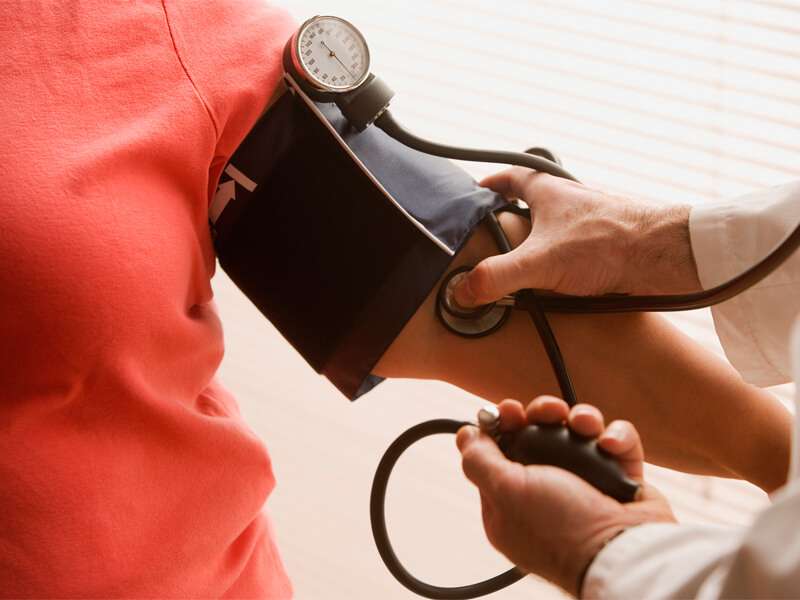
A hypertensive emergency occurs when blood pressure rises abruptly to dangerously high levels causing potential damage to organs. Immediate intervention is critical in such scenarios.
- Signs and Symptoms: Severe headaches, chest pain, shortness of breath, vision changes, confusion or neurological deficits may indicate an emergency situation.
- Evidential Diagnosis: Rapid blood pressure measurement along with evaluation for organ dysfunction via blood tests or imaging guides urgency level assessment.
- Treatment Measures: Immediate hospitalization with controlled blood pressure reduction using intravenous medications under close monitoring prevents irreversible injury.
- Care Expectations: Stabilization often requires intensive care support initially followed by adjustments in long-term antihypertensive regimens tailored individually.
The goal remains prompt risk reduction while avoiding too rapid drops that could cause further complications during management of this life-threatening event.
GASTROENTERITIS
Gastroenteritis refers to inflammation of the stomach and intestines that leads to sudden diarrhea and vomiting. It is often caused by infectious agents spreading rapidly in communities.
- Symptoms and Triggers: Common signs include nausea, abdominal cramps, watery diarrhea, vomiting, and sometimes mild fever; contamination through food or water is a frequent cause.
- Diagnosis Process: Usually diagnosed clinically via symptom review; stool tests or blood work might be needed if symptoms are severe or prolonged.
- Treatment Strategies: Hydration with oral rehydration solutions is vital; dietary adjustments help alleviate symptoms while rest supports immune response.
- What to Expect: Most individuals recover completely within several days but attention should be paid to signs of dehydration or persistent illness requiring medical care.
A careful approach ensures safe recovery while preventing further transmission of infection within households or communities.
ACUTE BRONCHITIS

Acute bronchitis is a common respiratory condition characterized by inflammation of the bronchial tubes, usually following a viral infection. It causes discomfort and can impact breathing temporarily.
- Symptoms and Causes: Persistent cough with mucus, wheezing, chest tightness, fatigue, and sometimes low-grade fever commonly occur after a cold or flu.
- Diagnosis: Diagnosis is made based on clinical evaluation including patient history and physical examination; chest X-rays may be done to rule out pneumonia.
- Treatment Options: Most cases improve with supportive care such as rest, fluids, cough suppressants, and occasionally bronchodilators if wheezing is present; antibiotics are rarely needed since it’s usually viral.
- Management: Avoiding irritants like smoke and pollutants helps recovery. Monitoring for worsening symptoms like high fever or difficulty breathing is important.
This condition typically resolves within a few weeks without complications when treated appropriately, ensuring patients regain full respiratory function.