
Dr P C Singh cli
About Me
Dr P C Singh cli
MBBS
General Physician
10 Years Experience
Biography
My Clinic
OPD Hours
| Monday | Morning | 10:00 AM | - | 02:00 PM |
| Evening | 06:00 PM | - | 09:00 PM | |
| Tuesday | Morning | 10:00 AM | - | 02:00 PM |
| Evening | 06:00 PM | - | 09:00 PM | |
| Wednesday | Morning | 10:00 AM | - | 02:00 PM |
| Evening | 06:00 PM | - | 09:00 PM | |
| Thursday | Morning | 10:00 AM | - | 02:00 PM |
| Evening | 06:00 PM | - | 09:00 PM | |
| Friday | Morning | 10:00 AM | - | 02:00 PM |
| Evening | 06:00 PM | - | 09:00 PM | |
| Saturday | Morning | 10:00 AM | - | 02:00 PM |
| Evening | 06:00 PM | - | 09:00 PM | |
| Sunday | Morning | 10:00 AM | - | 02:00 PM |
| Evening | 06:00 PM | - | 09:00 PM |
Treatments
Specialised care and treatments offered
UPPER RESPIRATORY TRACT INFECTION EVALUATION
This category includes infections affecting nasal passages, sinuses, throat areas commonly encountered in primary care settings worldwide.
- Typical causes & symptoms : Most infections are viral presenting with sore throat , nasal congestion , cough , mild fever . Bacterial forms may require different attention .
- Diagnostic process : Clinical examination primarily supplemented by throat swabs or cultures if bacterial infection suspected aiding appropriate therapy choice .
- Treatment modalities : Symptomatic relief through analgesics , hydration encourages recovery ; antibiotics reserved strictly for confirmed bacterial cases preventing resistance development .
- Expected clinical course : Viral infections usually resolve within one week ; persistent or worsening symptoms warrant further evaluation for complications .
Awareness of infection nature facilitates correct expectations enhancing patient comfort during recovery periods .
THYROID FUNCTION TESTING

The thyroid gland regulates metabolism via hormone secretion; dysfunctions can significantly impact health status if untreated.
- Symptoms & causes : Common signs include weight changes , fatigue , temperature intolerance ; disorders may stem from autoimmune issues , iodine imbalance .
- Diagnostic strategy : Blood tests measuring TSH , free T3 , free T4 concentrations determine thyroid function accurately .
- Management options : Hypothyroidism requires hormone replacement therapy whereas hyperthyroidism might involve medications , radioactive iodine , or surgery depending on severity .
- Prognosis expectations : With adequate treatment adherence , patients often experience symptom resolution maintaining normal metabolic activity .
Routine screening is advisable when symptoms suggest altered thyroid status ensuring timely care .
ANEMIA WORK-UP

Anemia describes a deficiency in red blood cells or hemoglobin leading to reduced oxygen delivery throughout the body.
- Causes and presentation: Can arise from nutritional deficiencies (iron, vitamin B12), chronic diseases or blood loss; symptoms often include fatigue, pallor, shortness of breath on exertion.
- EVALUATION techniques: Complete blood count (CBC), peripheral smear examination and iron studies identify the type and cause of anemia precisely.
- TREATMENT approaches: Address underlying causes by supplementing deficient nutrients or treating chronic conditions contributing to anemia;
CHRONIC OBSTRUCTIVE PULMONARY DISEASE (COPD) ASSESSMENT
COPD is a long-term lung condition characterized by airflow obstruction making breathing difficult over time.
- Main causes and symptoms: Primarily caused by smoking or exposure to pollutants; symptoms include chronic cough, sputum production, and breathlessness.
- How it’s diagnosed: Pulmonary function tests such as spirometry measure lung capacity and airflow limitation essential for diagnosis confirmation.
- Treatment options include: Smoking cessation support, inhaled bronchodilators and corticosteroids alongside pulmonary rehabilitation exercises designed to improve lung function.
- The expected course: Although COPD is progressive, early intervention slows deterioration; proper management enhances symptom control improving daily activities.
A comprehensive approach tailored to each patient optimizes long-term respiratory health in COPD cases.
DIABETES MELLITUS EVALUATION

Diabetes mellitus is a metabolic disorder characterized by high blood glucose levels due to insulin problems.
- Signs and symptoms: Increased thirst, frequent urination, unexplained weight loss, fatigue, and slow wound healing are common indicators.
- Diagnostic procedures: Blood tests like fasting plasma glucose, HbA1c levels, and oral glucose tolerance tests help confirm the diagnosis.
- Treatment pathways: Incorporates lifestyle interventions such as diet modification and physical activity along with medication including oral hypoglycemics or insulin therapy depending on severity.
- Patient outlook: With consistent control of blood sugar levels through treatment and follow-up care, complications can be minimized allowing for good quality of life.
A timely diagnosis paired with effective management plans plays a crucial role in controlling diabetes progression.
HYPERTENSION MANAGEMENT

High blood pressure, or hypertension, is a common condition that requires careful control to prevent serious health complications.
- Symptoms and causes: Often called a silent condition, hypertension may have no obvious symptoms but can result from lifestyle factors, genetics, or other health issues.
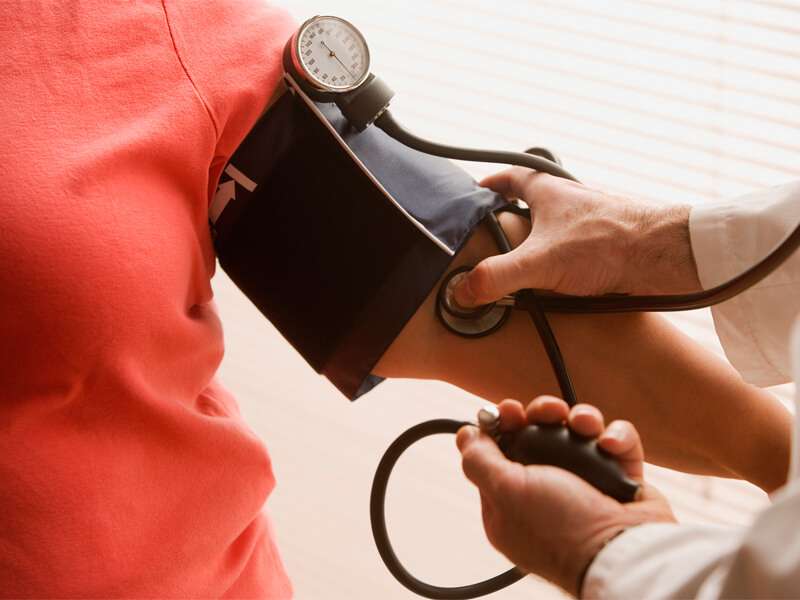
- Diagnosis involves: Regular blood pressure monitoring using a sphygmomanometer and possibly ambulatory monitoring to assess fluctuations throughout the day.
- Treatment options: Lifestyle modifications such as diet changes, exercise, stress management, combined with prescribed antihypertensive medications as needed.
- What to expect: Ongoing monitoring is essential to ensure blood pressure remains within target range; adherence to treatment reduces risk of heart disease and stroke significantly.
Early detection and consistent management contribute greatly to maintaining cardiovascular health over time.