Dr OP Modi

Dr OP Modi

MS
Gynecologist
4 167 ratings

About Me

Dr OP Modi

MS
Gynecologist

Biography

Dr. OP Modi is a dedicated and compassionate gynecologist committed to providing exceptional care to women at every stage of life. With a medical degree and a specialization in obstetrics and gynecology, he brings extensive knowledge and expertise to his practice. Dr. Modi’s approach combines the latest medical advancements with a warm, patient-centered focus, ensuring that each individual feels heard, understood, and supported throughout their healthcare journey. Understanding that gynecological health is deeply personal and sometimes sensitive, Dr. Modi takes care to create a comfortable and trusting environment. He believes that open communication and patient education are key to successful treatment outcomes. Whether you are visiting for routine check-ups, family planning, prenatal care, or addressing specific health concerns, Dr. Modi will patiently explain your options and work with you to develop a personalized treatment plan tailored to your unique needs. His areas of expertise cover a wide range of women’s health issues, including menstrual disorders, infertility, menopause management, pelvic pain, urinary problems, and screening for cancers of the reproductive system. Dr. Modi is skilled in performing both diagnostic procedures and minimally invasive surgeries when necessary, always prioritizing the safety and well-being of his patients. Patients appreciate Dr. Modi’s approachable demeanor and his genuine commitment to improving women’s health. He takes the time to listen to concerns, answer questions thoroughly, and guide patients through complex medical decisions with empathy and professionalism. His goal is to empower women to take control of their health and make informed choices, fostering a partnership based on trust and respect. In addition to clinical care, Dr. Modi stays actively involved in continuing medical education and regularly updates his skills to stay abreast of the latest developments in gynecology. This dedication ensures that his patients receive care based on the most current and effective medical standards. Choosing Dr. OP Modi means entrusting your gynecological health to a knowledgeable and caring professional who values your comfort and well-being. He welcomes new patients and encourages women to maintain regular visits for preventive care and early detection of potential issues. With Dr. Modi, you will find a steadfast ally in your pursuit of optimal health and wellness.

My Clinic

OPD Hours

Monday Morning 10:00 AM - 02:00 PM
Evening 06:00 PM - 09:00 PM
Tuesday Morning 10:00 AM - 02:00 PM
Evening 06:00 PM - 09:00 PM
Wednesday Morning 10:00 AM - 02:00 PM
Evening 06:00 PM - 09:00 PM
Thursday Morning 10:00 AM - 02:00 PM
Evening 06:00 PM - 09:00 PM
Friday Morning 10:00 AM - 02:00 PM
Evening 06:00 PM - 09:00 PM
Saturday Morning 10:00 AM - 02:00 PM
Evening 06:00 PM - 09:00 PM
Sunday Morning 10:00 AM - 02:00 PM
Evening 06:00 PM - 09:00 PM

Treatments

Specialised care and treatments offered

MENSTRUAL DISORDERS MANAGEMENT

Menstrual Disorders Management


 Menstrual disorders are conditions that affect the timing, flow, or comfort of periods. 
 They can impact daily life, fertility, and overall health. Management is personalized and 
 may include lifestyle changes, medicines, and minimally invasive or surgical procedures.

Common Types


  • Irregular periods (Oligomenorrhea/Polymenorrhea): Cycles shorter than 21 days or longer than 35 days; may be linked to hormones, thyroid, stress, or PCOS.

  •  
  • Heavy menstrual bleeding (Menorrhagia): Flow lasting >7 days or soaking pads/tampons frequently; often due to fibroids, polyps, or hormonal imbalance.

  •  
  • Painful periods (Dysmenorrhea): Cramping/pelvic pain; may be primary (hormonal) or secondary (endometriosis, adenomyosis, fibroids).

  •  
  • Absence of periods (Amenorrhea): Primary (no periods by age 15–16) or secondary (stopped for 3+ months); causes include PCOS, thyroid issues, excessive exercise, or premature ovarian insufficiency.

Diagnosis


  • Detailed medical history and physical/pelvic examination

  •  
  • Blood tests (thyroid, FSH/LH, prolactin, testosterone; iron profile if heavy bleeding)

  •  
  • Pelvic ultrasound to assess fibroids, cysts, or polyps

  •  
  • Pap smear and/or endometrial biopsy when indicated

Treatment Options


  • Lifestyle: Stress management, balanced diet, regular exercise, weight optimization (especially for PCOS).

  •  
  • Medications: NSAIDs for cramps; iron supplements for anemia; hormonal therapy (combined pills, progesterone, LNG-IUS, GnRH analogues); thyroid/insulin-targeted therapy when needed.

  •  
  • Minimally invasive: Hysteroscopic polyp/fibroid removal, endometrial ablation for heavy bleeding, laparoscopy for endometriosis or cysts.

  •  
  • Surgery (case-dependent): Myomectomy (fibroid removal) or hysterectomy (when fertility is not desired and other treatments have failed).

Goals of Care


  • Normalize cycle pattern and flow

  •  
  • Relieve pain and improve quality of life

  •  
  • Treat underlying hormonal or structural causes

  •  
  • Protect fertility where desired and prevent complications like anemia

When to Seek Care


  • Very heavy bleeding, clots, or bleeding >7 days

  •  
  • Severe cramps not relieved by OTC pain relief

  •  
  • Cycles consistently irregular or absent

  •  
  • Intermenstrual or postcoital bleeding


 Note: Management is individualized after evaluation by a gynecologist. 
 Discuss your symptoms, family planning goals, and treatment preferences to choose the best option.


FAMILY PLANNING

Family Planning
Family planning is a comprehensive healthcare service that helps individuals and couples make informed choices about their reproductive health. It involves counseling, education, and provision of methods to prevent, delay, or achieve pregnancy according to the patient’s personal, medical, and social circumstances. Scope of Treatment Includes: Contraceptive Counseling – Education about available methods, safety, and effectiveness. Temporary Methods of Contraception: Oral contraceptive pills (OCPs) Injectable contraceptives Condoms (male/female) Contraceptive patches and vaginal rings Long-Acting Reversible Contraception (LARC): Intrauterine devices (IUDs/IUCDs) Hormonal implants Permanent Methods: Tubal ligation (female sterilization) Vasectomy (male sterilization, usually referred by Gynecologist/Urologist) Emergency Contraception – Pills and copper IUD for post-unprotected intercourse prevention. Preconception Counseling – For couples planning pregnancy, ensuring medical readiness. Management of Side Effects – Monitoring, follow-ups, and treatment of complications from contraceptive use. Counseling on Sexual and Reproductive Health – Includes safe practices, prevention of sexually transmitted infections (STIs), and fertility awareness. Benefits to Patients: Prevents unintended pregnancies. Promotes maternal and child health by spacing births. Empowers women to make informed decisions. Reduces maternal mortality and complications from unsafe abortions. Supports overall reproductive and sexual well-being.

HOMEOPATHY

HOMEOPATHY

Homeopathy is a complementary or alternative medicine (CAM). This means that homeopathy is different in important ways from treatments that are part of conventional Western medicine. It's based on a series of ideas developed in the 1790s by a German doctor called Samuel Hahnemann.

GENERAL PHYSICIAN
GENERAL PHYSICIAN

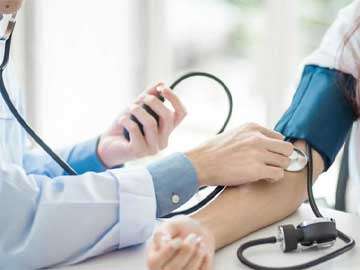
General Physicians are highly trained specialists who provide a range of non-surgical health care to adult patients. They care for difficult, serious or unusual medical problems and continue to see the patient until these problems have resolved or stabilised.

LAB TESTS AND SCREENINGS
LAB TESTS AND SCREENINGS

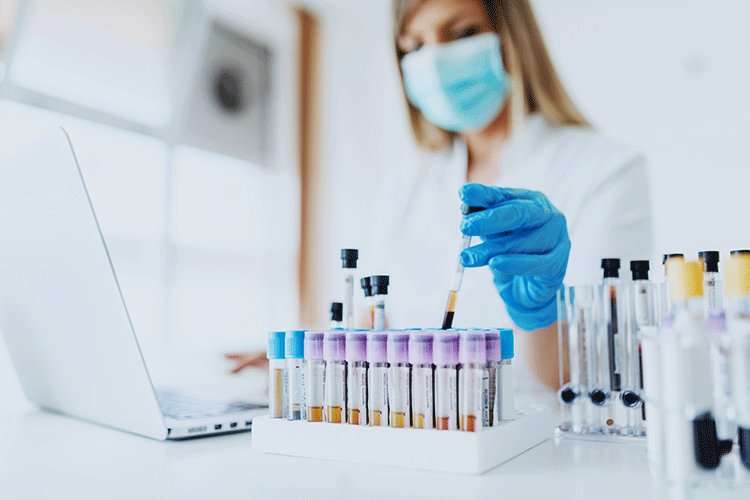
A medical procedure that involves testing a sample of blood, urine, or other substance from the body. Laboratory tests can help determine a diagnosis, plan treatment, check to see if treatment is working, or monitor the disease over time.

SKIN DISEASES
Skin Diseases


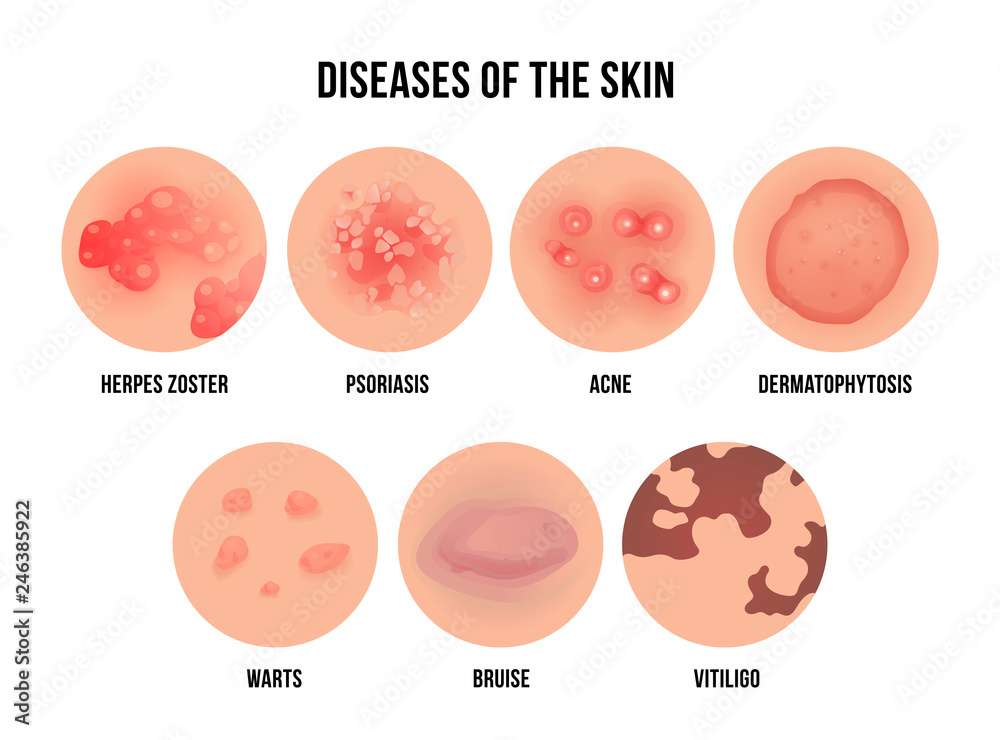
Skin diseases encompass a wide range of conditions that affect the skin, resulting in various symptoms and appearances. Some common skin diseases include:

  1. Acne: A common skin condition characterized by the formation of pimples, blackheads, and whiteheads on the face, chest, and back.
  2. Eczema: A chronic inflammatory condition that causes dry, itchy, and red patches on the skin.
  3. Psoriasis: A chronic autoimmune disease that causes red, scaly patches on the skin, often accompanied by itching or pain.
  4. Dermatitis: Inflammation of the skin that can be caused by various factors such as irritants, allergens, or genetic predisposition.
  5. Rosacea: A chronic skin condition characterized by facial redness, flushing, and sometimes pimples or visible blood vessels.
  6. Hives (Urticaria): Raised, itchy bumps on the skin that are often caused by an allergic reaction or exposure to certain triggers.
  7. Athlete's Foot: A fungal infection that affects the feet, causing itching, redness, and peeling of the skin.
  8. Ringworm: A fungal infection that forms a ring-shaped rash on the skin, often itchy and scaly.
  9. Impetigo: A highly contagious bacterial infection characterized by red sores that break open, ooze, and form a yellowish crust.
  10. Shingles: A viral infection caused by the reactivation of the varicella-zoster virus, resulting in a painful rash with fluid-filled blisters.

It's important to consult a dermatologist or healthcare professional for an accurate diagnosis and appropriate treatment for any skin condition.

CHILDHOOD DISEASES

Childhood Diseases

Childhood diseases refer to a wide range of illnesses that primarily affect children. Some common childhood diseases include:

  1. Chickenpox (Varicella): A highly contagious viral infection causing an itchy rash and fever.
  2. Measles: A viral infection characterized by fever, cough, runny nose, and a rash.
  3. Mumps: A viral infection causing swelling and pain in the salivary glands, leading to swollen cheeks and jaw.
  4. Rubella (German Measles): A viral infection causing a rash and fever, particularly dangerous for pregnant women.
  5. Whooping cough (Pertussis): A bacterial infection causing severe coughing spells, especially dangerous for infants.
  6. Hand, Foot, and Mouth Disease: A viral infection characterized by sores in the mouth, on the hands, and on the feet.
  7. Rotavirus: A highly contagious virus causing severe diarrhea, vomiting, and dehydration in infants and young children.
  8. Fifth Disease (Erythema infectiosum): A viral infection causing a distinctive rash on the face, cheeks, and body.
  9. Croup: A viral infection causing a barking cough and difficulty breathing.
  10. Roseola: A viral infection characterized by high fever followed by a rash.

It's important to note that diagnosing and treating specific diseases should be done by medical professionals. If you have concerns about a child's health, it's best to consult a healthcare provider.


WOMAN DISEASES
Woman Diseases

"Woman Disease" is a broad term that does not refer to a specific medical condition. Women can be affected by a variety of diseases and health conditions, some of which are unique to or more common in females. It's essential to address specific diseases or conditions to provide accurate information.

Here are some common health conditions that can affect women:

  1. Breast Cancer: A malignant tumor that develops in breast tissue, predominantly affecting women.
  2. Ovarian Cancer: Cancer that begins in the ovaries, the female reproductive organs responsible for producing eggs.
  3. Endometriosis: A condition where tissue similar to the lining of the uterus grows outside the uterus, causing pain and fertility problems.
  4. Polycystic Ovary Syndrome (PCOS): A hormonal disorder characterized by enlarged ovaries with cysts and hormonal imbalances, leading to irregular periods and other symptoms.
  5. Cervical Cancer: Cancer that develops in the cervix, the lower part of the uterus.
  6. Premenstrual Syndrome (PMS): A combination of physical and emotional symptoms that occur in the days leading up to menstruation.
  7. Urinary Tract Infections (UTIs): Infections in the urinary system, including the bladder and urethra, which can be more common in women.
  8. Osteoporosis: A condition characterized by a decrease in bone density, making bones more fragile and prone to fractures, which is more common in women, especially after menopause.
  9. Menopause: The natural process that occurs in women's lives, typically in their 40s or 50s when menstrual periods cease and hormone levels change.
  10. Pelvic Inflammatory Disease (PID): An infection of the female reproductive organs, usually caused by sexually transmitted bacteria.

It's important to note that these are just a few examples, and there are many more health conditions that can affect women. If you have concerns about your health, it's recommended to consult a healthcare professional for a proper diagnosis and treatment.

HOMEOPATHY

HOMEOPATHY
Homeopathy is a complementary or alternative medicine (CAM). This means that homeopathy is different in important ways from treatments that are part of conventional Western medicine. It's based on a series of ideas developed in the 1790s by a German doctor called Samuel Hahnemann.

KERATOCONUS

KERATOCONUS
The early detection of keratoconus is important to arrest the progression of keratoconus and corneal irregularities. In early stages, keratoconus can be diagnosed after a detailed eye examination, which includes Retinoscopy, Slitlamp examination and tests like Topography, pentacam to check the curvature of cornea and Pachymetry to determine corneal thickness. In advance stages keratoconus, is easily diagnosed on slit lamp and topography. In advanced stages, corrective prescription glasses do not help the patient to see clearly and they have to switch to using hard or semi soft contact lenses. A proper contact lens fit is crucial to obtain adequate vision and wearing comfort. Poorly fit or outdated contact lenses can be uncomfortable and lead to additional complications like corneal abrasions, scarring or infection.

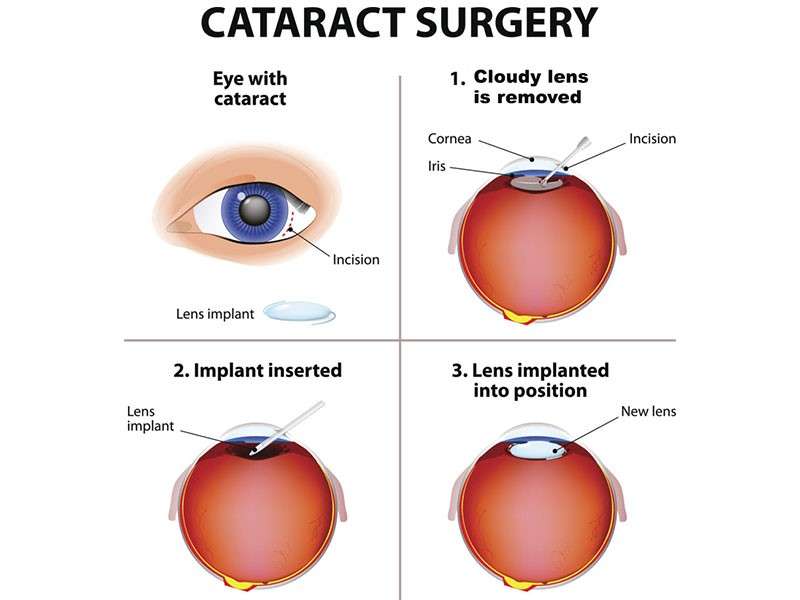
CATARACT

CATARACT
The lens of the eye is located immediately behind the iris and is responsible for 33% of the eyes focusing power. At birth it is like jelly, but unfortunately with age it gradually hardens and loses its ability to change shape. Evidence of this hardening normally starts to affect us in our mid-forties when many require reading glasses for close work. This is called Presbyopia. The lens is made mostly of water and protein. Specific proteins within the lens are responsible for maintaining its clarity. Over many years, the structures of these lens proteins are altered, ultimately leading to a gradual clouding of the lens. Rarely, cataract can present at birth or in early childhood as a result of hereditary enzyme defects, and severe trauma to the eye, eye surgery, or intraocular inflammation can also cause cataract to occur earlier in life. With further increase in age, the lens continues to harden and starts to become more compact and cloudy, reducing initially quality of vision and later obstructing vision and interfering with day to day activities. A cloudy of opaque lens is called a cataract and unfortunately is inevitable.

CORNEA

CORNEA
The cornea, the transparent front “window of the eye”, is responsible for about two thirds of the focusing power of the eye. The cornea’s refractive power is actually greater than that of the eye’s lens. The cornea receives its nutrients through the tear film. A normal, healthy cornea should be transparent, thus devoid of blood vessels and opacities. Corneal tissue can become damaged through disease or trauma. This damage can cause scar tissue and opacities in the normally-clear cornea, resulting in a reduction in visual acuity. If the cornea develops visually significant opacities or irregularities, a corneal transplant, or DSAEK procedure can be performed.

LASIK / REFRACTIVE SURGERIES

LASIK / REFRACTIVE SURGERIES
Hypermetropia is a defect of vision that causes the impossibility for rays of light to be focused on the retina, but behind it. The main cause for this defect is the insufficiente eye lenght. A lot of people suffer from hypermetropia without even knowing it, because the eye automatically compensate this defect. The continuous effort to try to see clean images, can cause migraines that are rarely linked to eye’s problems. Hypermetropia gets noticed only when the eye cannot compensate any longer: vision becomes definitely blurred and people finally book an appointment to be checked out.

ABORTION

ABORTION
Couples With Infertility Are Counseled For Both Medical And Surgical Causes Of Infertility. Our Clinic Is Equipped With The Latest Technology For Infertility Treatment And Have Well Qualified Team. We Understand The Emotional And Psychological Concerns You May Have While Seeking The Infertility Treatment. Our Professionally Qualified And Experienced Consultants Will Guide You At Every Stage Of The Exciting Journey Towards Parenthood. Medical AbortionSurgical AbortionSuction AspirationDilation And Evacuation (D&)

LAPAROSCOPY

LAPAROSCOPY
Laparoscopy Is The Most Prevalent Procedure For Diagnosis And Treatment Of Mild To Moderate Cases Of Endometriosis. In Laparoscopy A Small & Lighted Instrument Known As The Laparoscope Is Used. Hysterectomy Is The Surgical Removal Of The Uterus. It May Also Involve Removal Of The Cervix, Ovaries, Fallopian Tubes And Other Surrounding Structures. Our Clinic Has Achieved Eminence In This Industry Because Of Our Clients' Belief And Trust.

MATERNITY

MATERNITY
MATERNITY Gensis Clinic Being One Of The Best Maternity Clinic. Having A Healthy Pregnancy Is One Of The Best Ways To Promote A Healthy Birth. A Preconception Care Visit Can Help Women Take Steps For Healthy Pregnancy Before They Get Pregnant. Getting Regular Prenatal Care Improves The Chances Of A Healthy Pregnancy. We Provide Best Maternity Care For Healthy And Safe Pregnancy.

GYNAECOLOGY

GYNAECOLOGY
GYNAECOLOGY Our Clinic Offers Best Gynaecology Services And Comprehensive Medical & Surgical Care To Women With Diseases Related To The Reproductive System. Our Team Of Qualified And Experienced Professionals & Gynaecologists Serves The Patients With The Specialized Medical Assistance. We Have Programme For The Prevention And Early Detection Of Disorders. Our Checkup Is Designed To Detect The Earliest Signs Of Disorders Of The Breast And The Organs Of Reproduction, And Care To Your Contraceptive Needs. Menopause ClinicAdolescent ClinicCervical Cancer ScreeningImmunisation

VACCINATION AND CHECK-UP

Vaccination And Check-up
Regular health checks can detect any early warning signs of illness. During a health check-up, our doctors will inquire about your medical history, family history of the disease, and your lifestyle, which includes your diet, weight, physical activity, alcohol consumption, and smoking habits. Kidney and liver function, blood tests, glucose levels, chest x-ray, ECG, abdomen ultrasound, and urine analysis are among the tests done. Everyone should have a routine checkup once a year, however, if you have an underlying health problem, you should see a doctor more frequently. We use a multidisciplinary team approach to prevent, detect, and treat a variety of illnesses, including diabetes, hypertension, obesity, cardiac issues, and cancer. Our team of preventive health experts encourages you to adopt healthy lifestyle habits and provides customized solutions to help you maintain your health and improve your quality of life. Services like immunization are also offered at our clinic. It is a process that protects people from harmful infections and illnesses before they become infected. Vaccines are used to provide immunity. Some of these include - the pneumococcal vaccine, an annual flu shot, a tetanus-diphtheria-pertussis booster, a herpes zoster vaccine, and vaccines for conditions like Measles, Mumps, Hepatitis, and more.

INFECTIOUS DISEASES

Infectious Diseases
A microbiome of bacteria, pathogens, fungi, and viruses lives in your body. They usually do not cause any harm. Microorganisms, on the other hand, can occasionally cause disease. Infection-causing pathogens or parasites can also be contracted from other people, animals, insects, or contaminated food. Infectious diseases can be difficult to diagnose and treat because their symptoms and severity vary so much. Experts specialize in the diagnosis and treatment of a wide range of these conditions. Depending on your condition and symptoms, appropriate diagnostic methods are performed to identify the root cause and on the basis of that treatment is provided. If you experience symptoms like unexplained high fever, flu, common cold, or sepsis, be cautious.

GASTRIC DISORDERS

Gastric Disorders
Gastrointestinal conditions are disorders of the digestive system, an extensive and complex system that breaks down food in order to absorb water and extract nutrients, minerals, and vitamins for the body's use, while also removing unabsorbed waste (feces). The symptoms of digestive disorders differ from one condition to the other and from one person to the other. However, some common symptoms include: Abdominal discomfort (bloating, pain or cramps) Unintentional weight loss Nausea and vomiting Acid reflux (heartburn) Constipation and diarrhea Fecal incontinence Fatigue Appetite loss Difficulty swallowing If you notice blood in your vomit or stool, contact your doctor right away.

PAIN MANAGEMENT

Pain Management
Pain or chronic pain is a complete medical problem that has a significant impact on your immune system and can result in unexpected outcomes. We provide comprehensive pain management services for a wide range of chronic pain conditions, including back pain, neck pain, shoulder pain, facial pain, headache, neuropathic pain, slipped disc, failed back surgery pain, sciatica, and others. At our pain management clinic, you will receive the best pain treatment available. For our patients. we offer the most advanced pain treatment options available anywhere in the world. We care for our patients in a supportive and compassionate environment, allowing them to regain their independence and comfort while improving their quality of life. We guarantee a pain-free life in order to improve the overall quality of life.

MIGRAINE

Migraine
Migraine is characterized by throbbing pain on one side of the head. A migraine headache is triggered by a variety of factors, including stress, hormonal imbalance, and others. It may be accompanied by vomiting, nausea, eye pain, or light sensitivity in some cases. Migraine attacks cause excruciating headaches that can last for hours or even days. The cause of a migraine is unknown; however, it is linked to unusual brain activity. The unusual changes in the brain have an impact on the normal functioning of the nervous system and result in a chemical imbalance in the brain. The following are the primary migraine triggers: Stress Hormonal imbalance Diet Physical ailments Medications Environmental triggers Furthermore, there is no single treatment that can completely eliminate migraines. The majority of available treatments are aimed at alleviating symptoms and preventing migraine attacks from occurring in the first place.

RESPIRATORY PROBLEMS

Respiratory Problems
Respiratory illness is a common problem in metropolitan cities. Certain factors and behaviours, such as smoking, air pollution, and environmental issues can contribute to respiratory diseases. Other causes include autoimmune diseases such as rheumatoid arthritis and genetic defects. Asthma, chronic obstructive pulmonary disease, cystic fibrosis, chronic bronchitis, tuberculosis, lung cancer, pulmonary edema, and pneumonia are examples of common respiratory diseases. Early symptoms of respiratory diseases include wheezing, difficulty breathing, chest pain, chronic cough with or without blood, and excessive mucus production. These symptoms are warning signs that necessitate immediate medical attention, so consulting a doctor is strongly advised.

HEART PROBLEMS

Heart Problems
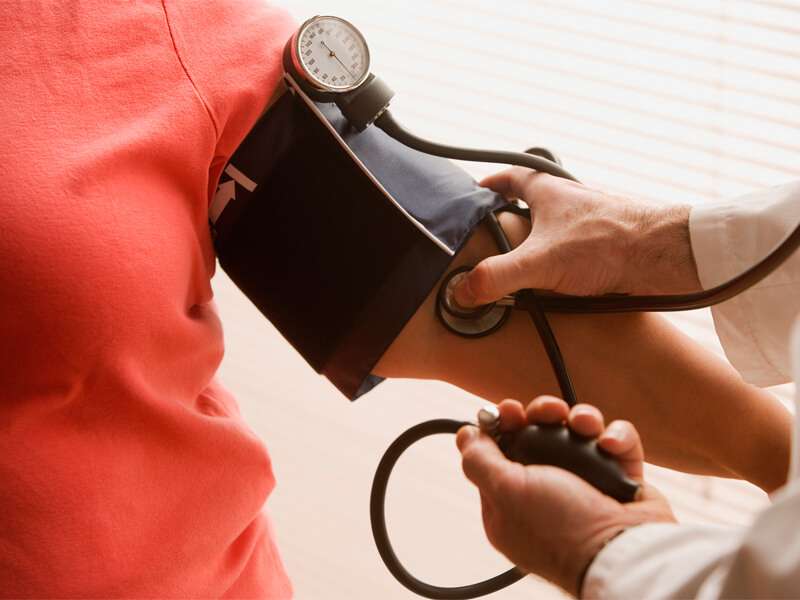
High blood pressure is usually caused by the narrowing of the arteries caused by the buildup of a sticky substance called plaque. Plaque forms as a result of excess cholesterol in your blood, which is typically caused by a diet high in certain types of fats and low in fibre. As plaque accumulates along the artery walls, the arteries become less flexible and less capable of efficiently transporting blood. This is referred to as artery "hardening." High blood pressure can also be caused by smoking, obesity or being overweight, excessive drinking or other substance abuse, and being physically inactive. Blood pressure is also more common in the elderly. Various medications can be used to keep blood pressure under control. Quitting smoking, reducing unhealthy fats, and consuming more fibre along with regular exercise are all important lifestyle changes. It's critical to have your blood pressure checked on a regular basis to ensure that your treatment is working. High blood pressure usually causes no symptoms until serious damage occurs, thus making regular checkups all the more important.

HEART PROBLEMS

Heart Problems
Despite having a chronic cardiac condition, you can live a healthy, happy life if you have the right team in place, the right medications and devices prescribed as needed, and the right lifestyle changes. A chronic cardiac condition is usually caused by a diseased or damaged heart. Some common problems are: Coronary artery disease (CAD) Heart attack High blood pressure Valve disease Cardiomyopathy A chronic cardiac condition's symptoms can range from mild to severe and vary from person to person. Symptoms can appear suddenly or gradually, depending on the cause. A very mild condition may not have any visible symptoms at all. It is critical to recognize the signs as soon as they appear and to treat the condition as soon as possible with the assistance of your cardiac healthcare team. Treatment differs from one patient to the next.

THYROID DISEASE

Thyroid Disease
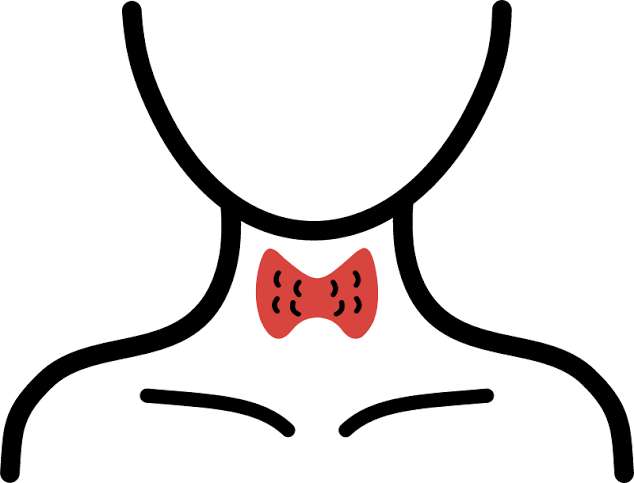
The thyroid gland, which is located at the base of the neck, is in charge of releasing hormones into the bloodstream. This gland's malfunction can result in a variety of symptoms and complications. The highly experienced specialists at our clinic help diagnose and treat patients with thyroid disorders. Thyroid disease occurs when the thyroid gland produces either too much or too little hormones. Thyroid diseases include hyperthyroidism, hypothyroidism, thyroiditis, and Hashimoto's thyroiditis. We provide comprehensive, seamless, coordinated, and patient-centered care by keeping patients at the center of our program. From the initial evaluation to treatment and meticulous follow-up monitoring, we use a team approach to coordinate all aspects of patient care. Look no further and schedule a thyroid examination if you are facing any fertility issues, weight issues, or are seeing any recent bodily changes such as excessive sweating, hand tremors, or sleep problems.

DIABETES MANAGEMENT

Diabetes Management
We specialize in helping patients manage their diabetes so they can stay healthy. Diabetes mellitus is a metabolic disorder characterized by high levels of blood glucose (blood sugar). Diabetes causes high blood sugar levels because the body does not produce enough insulin (the hormone that converts nutrients into energy), or because the cells do not respond to the insulin that is produced. Diabetes, if left undiagnosed and untreated, can lead to cardiovascular disease, kidney damage, stroke, amputations due to diabetic foot conditions, and blindness due to diabetic retinopathy. We have the knowledge and experience to accurately diagnose and effectively manage diabetes at our clinic. Our diabetes specialists assess and care for people with all types of diabetes and diabetes-related issues. Furthermore, our Diabetes Management Program provides comprehensive diabetes education to patients and families.

SORE THROAT

Sore Throat
Sore throats are common in children and can be painful. However, a sore throat that is caused by a virus does not need antibiotics. In those cases, no specific medicine is required, and your child should get better in seven to ten days. In other cases, a sore throat could be caused by an infection called streptococcal (strep throat). Strep cannot be accurately diagnosed by simply looking at the throat. A lab test or in-office rapid strep test, which includes a quick swab of the throat, is necessary to confirm the diagnosis of strep. If positive for strep, your pediatrician will prescribe an antibiotic. It's very important that your child take the antibiotic for the full course, as prescribed, even if the symptoms get better or go away. Steroid medicines (such as prednisone) are not an appropriate treatment for most cases of sore throat. Babies and toddlers rarely get it strep throat, but they are more likely to become infected by streptococcus bacteria if they are in child care or if an older sibling has the illness. Although strep spreads mainly through coughs and sneezes, your child can also get it by touching a toy that an infected child has played with.

FAQs

What if my query is not listed here?
If you have any more queries that aren't listed, you can email us or call us.
Why is it best to consult a specialist?
A specialist doctor is trained to treat complex health conditions in their particular field. If you are diagnosed with a condition, it is best to consult a doctor who specializes in dealing with that particular condition.
Why should I consult Dr OP Modi?
Dr OP Modi is a specialist in Gynecologist and having more than 10 years of experience.
What if my query is not listed here?
If you have any more queries that aren't listed, you can email us.
Why is it best to consult a specialist?
A specialist doctor is trained to treat complex health conditions in their particular field. If you are diagnosed with a condition, it is best to consult a doctor who specializes in dealing with that particular condition.
How can I book an appointment?
You can click on the book appointment link.
Do I need to bring anything at my first appointment?
You may bring the following documents, if available: ID Proof Prior medication list Any prior diagnosis documentation X-RAY reports