
DR O N Trivedi
About Me
DR O N Trivedi
MBBS
General Physician
10 Years Experience
Biography
My Clinic
OPD Hours
| Monday | Morning | 10:00 AM | - | 02:00 PM |
| Evening | 06:00 PM | - | 09:00 PM | |
| Tuesday | Morning | 10:00 AM | - | 02:00 PM |
| Evening | 06:00 PM | - | 09:00 PM | |
| Wednesday | Morning | 10:00 AM | - | 02:00 PM |
| Evening | 06:00 PM | - | 09:00 PM | |
| Thursday | Morning | 10:00 AM | - | 02:00 PM |
| Evening | 06:00 PM | - | 09:00 PM | |
| Friday | Morning | 10:00 AM | - | 02:00 PM |
| Evening | 06:00 PM | - | 09:00 PM | |
| Saturday | Morning | 10:00 AM | - | 02:00 PM |
| Evening | 06:00 PM | - | 09:00 PM | |
| Sunday | Morning | 10:00 AM | - | 02:00 PM |
| Evening | 06:00 PM | - | 09:00 PM |
Treatments
Specialised care and treatments offered
OSTEOARTHRITIS MANAGEMENT
A degenerative joint disorder predominantly affecting middle-aged and older adults characterized by cartilage breakdown leading to pain and stiffness. Appropriate measures can help maintain mobility.
SEASONAL ALLERGIC RHINITIS CARE

This allergic response occurs seasonally due to exposure to pollens or other environmental allergens affecting the nasal passages. It can significantly impact daily comfort unless managed properly.
- Main symptoms & triggers:Sneezing fits, nasal congestion/runny nose, itchy eyes often triggered by grass pollen or dust mites during certain seasons.
- Differential diagnosis process: A detailed patient history supported by allergy testing helps identify specific allergens responsible for symptoms.
- Treatment modalities: Antihistamines , nasal corticosteroids , allergen avoidance strategies , immunotherapy in selected cases .
- Patient expectations: Symptom relief varies individually but consistent adherence achieves better seasonal control .
Understanding personal triggers enables individuals to reduce flare-ups effectively enjoying improved respiratory health .
CHILDHOOD NUTRITIONAL DISORDERS

Nutritional deficiencies during childhood can impair growth and development. Early identification and intervention are crucial for healthy outcomes in children’s health trajectories.
- Causal factors & signs: Inadequate intake of vitamins/minerals leads to symptoms like fatigue, poor growth, weakened immunity.
- Evaluation techniques: Growth charts assessment alongside dietary history; laboratory tests for specific nutrient levels may be performed.
- Treatment plans: Dietary counseling tailored for balanced nutrition; supplementation when necessary under medical guidance;
- The importance of follow-up: Regular monitoring ensures improvements and prevents recurrence of deficiencies during critical growth phases.
Nutritional support plays a vital role in ensuring children achieve their full developmental potential safely and effectively.
ACUTE RESPIRATORY INFECTIONS TREATMENT
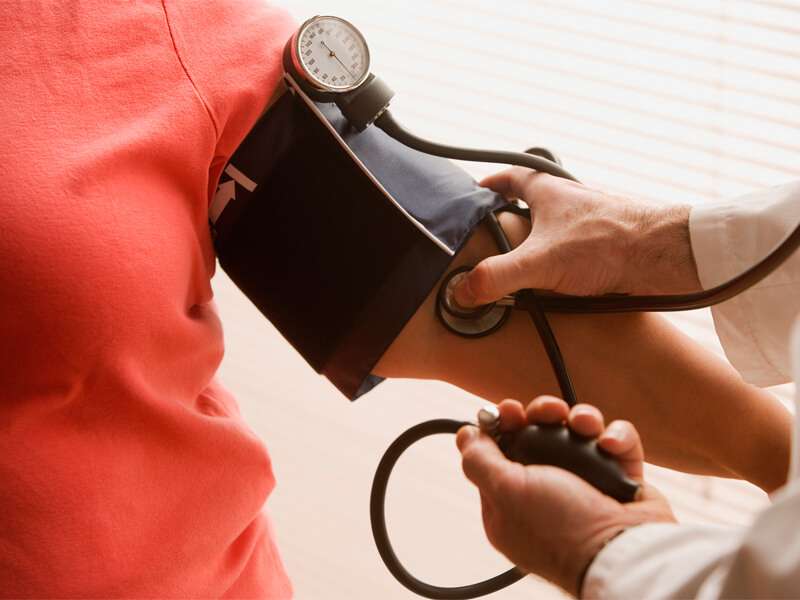
These infections affect the airways and lungs causing symptoms ranging from mild colds to more severe illnesses like pneumonia. Prompt treatment ensures quicker recovery and prevents spread.
- Recognizing symptoms: Cough, sore throat, fever, nasal congestion, difficulty breathing in severe cases.
- Diagnostic methods: Physical examination combined with history; chest X-rays may be ordered if pneumonia is suspected.
- Treatment options: Rest, hydration, symptomatic relief with analgesics; antibiotics only if bacterial infection is confirmed.
- Your recovery journey: Most cases resolve within days; seek follow-up if symptoms worsen or persist beyond expected duration.
Adequate care reduces complications and aids in regaining full respiratory health efficiently.
TYPE 2 DIABETES MONITORING

This metabolic disorder results in high blood sugar due to insulin resistance or inadequate insulin production. Type 2 diabetes requires ongoing attention to prevent complications.
- Symptoms and causes: Increased thirst, frequent urination, fatigue; linked to obesity, sedentary lifestyle, family history.
- Diagnosis: Blood tests measuring fasting glucose or HbA1c levels confirm presence and monitor control.
- Treatment approaches: Diet modification, regular physical activity, oral medications or insulin therapy depending on severity.
- Management expectations: Consistent self-care with periodic clinical evaluations helps maintain optimal blood sugar levels and reduce risks.
Lifelong management empowers patients to prevent complications such as nerve damage or cardiovascular disease.
HYPERTENSION MANAGEMENT
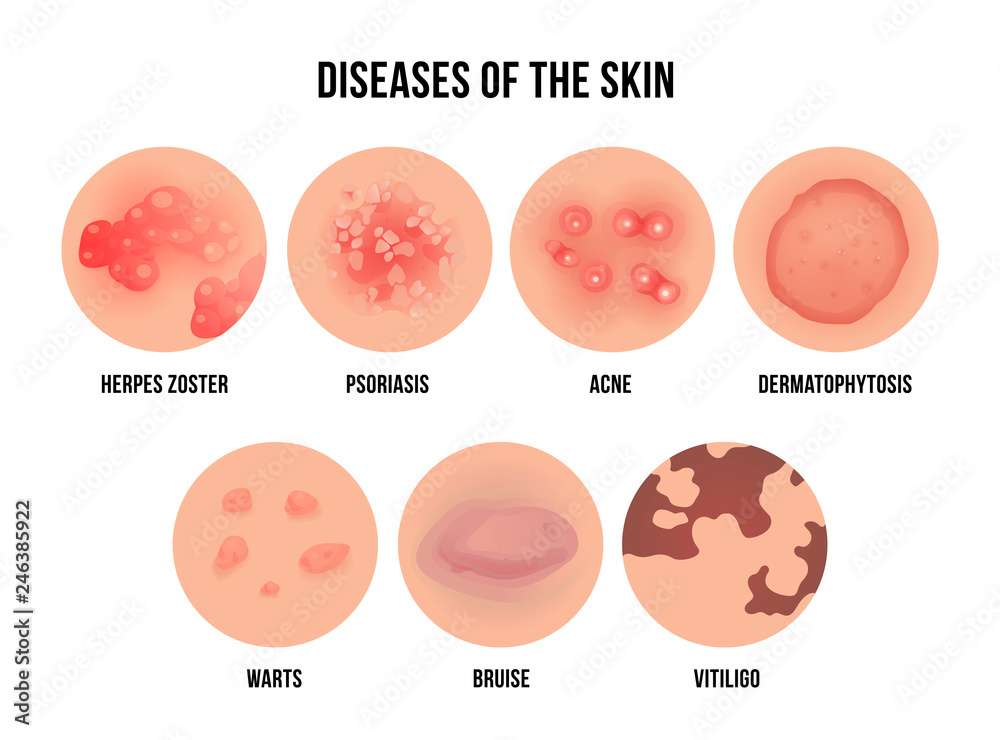
High blood pressure, or hypertension, is a common condition that affects the arteries and increases the risk of heart disease and stroke. Managing this condition involves lifestyle changes and sometimes medication to keep blood pressure within a healthy range.
- Symptoms and causes: Often called the 'silent killer,' many people have no symptoms; it may result from genetics, diet, stress, or underlying diseases.
- Diagnosis: Blood pressure readings taken across multiple visits confirm diagnosis; additional tests may assess organ damage.
- Treatment options: Lifestyle adjustments like reduced salt intake, regular exercise, weight management, and prescribed antihypertensive medications.
- What to expect: Regular monitoring is essential; with proper management, complications can be significantly reduced.
Effective control of hypertension greatly reduces long-term health risks and improves quality of life.