
Dr Nn Tripathi
About Me
Dr Nn Tripathi
MBBS
General Physician
10 Years Experience
Biography
My Clinic
OPD Hours
| Monday | Morning | 10:00 AM | - | 02:00 PM |
| Evening | 06:00 PM | - | 09:00 PM | |
| Tuesday | Morning | 10:00 AM | - | 02:00 PM |
| Evening | 06:00 PM | - | 09:00 PM | |
| Wednesday | Morning | 10:00 AM | - | 02:00 PM |
| Evening | 06:00 PM | - | 09:00 PM | |
| Thursday | Morning | 10:00 AM | - | 02:00 PM |
| Evening | 06:00 PM | - | 09:00 PM | |
| Friday | Morning | 10:00 AM | - | 02:00 PM |
| Evening | 06:00 PM | - | 09:00 PM | |
| Saturday | Morning | 10:00 AM | - | 02:00 PM |
| Evening | 06:00 PM | - | 09:00 PM | |
| Sunday | Morning | 10:00 AM | - | 02:00 PM |
| Evening | 06:00 PM | - | 09:00 PM |
Treatments
Specialised care and treatments offered
ACUTE RESPIRATORY TRACT INFECTION
The common respiratory infections affect the nose,sinuses or throat causing uncomfortable symptoms but usually resolve with appropriate care in days.
- Symptoms & Causes: Cough,sore throat,nasal congestion,fatigue typically viral origins but bacterial infection possible.
- Diagnosis: Clinical evaluation important,might require throat swab if bacterial superinfection suspected.
- Treatment/Mangement: Rest,hydration,pain relievers,decongestants;if bacterial antibiotics only when necessary.
- What To Expect: Symptoms generally improve within one-two weeks but worsening requires medical reassessment.
Prompt symptom relief measures alongside watchful waiting ensure safe recovery while minimizing unnecessary antibiotic use.
ANEMIA EVALUATION AND MANAGEMENT

Anemia occurs when the body lacks enough healthy red blood cells to carry adequate oxygen. Understanding its cause guides proper treatment approaches.
- Symptoms & Causes: Fatigue, pallor, weakness; causes range from nutritional deficiencies (iron,B12), chronic disease or blood loss.
- Diagnosis:
HYPOTHYROIDISM TREATMENT
An underactive thyroid gland reduces hormone production causing widespread effects on metabolism. Timely diagnosis allows effective management.
- Symptoms & Causes: Fatigue, weight gain, cold intolerance; commonly due to autoimmune thyroiditis or iodine deficiency.
- Diagnosis: Blood tests measuring TSH and thyroid hormone levels confirm hypothyroidism status.
- Treatment/Management: Daily synthetic thyroid hormone replacement therapy tailored individually by your healthcare provider ensures symptom relief.
- What to Expect: Regular monitoring is required in early treatment phases adjusting dosages for optimal hormone balance achieving improved wellbeing.
Treatment helps restore normal metabolism allowing patients to resume their normal activities comfortably and safely.
CHRONIC OBSTRUCTIVE PULMONARY DISEASE (COPD)
COPD is a progressive lung disease that makes breathing difficult. It primarily results from long-term exposure to irritants like cigarette smoke.
- Symptoms & Causes: Persistent cough with mucus production, shortness of breath; mainly caused by smoking or air pollution exposure.
- Diagnosis: Lung function tests such as spirometry confirm airflow obstruction; chest X-rays may support diagnosis.
- Treatment/Management: Smoking cessation is vital; bronchodilators and inhaled steroids help alleviate symptoms; pulmonary rehabilitation improves ability to breathe easier.
- What to Expect: Disease progression varies but managing symptoms can enhance daily functioning and reduce exacerbations.
A comprehensive care plan tailored by your physician ensures improved comfort and better respiratory health over time.
TYPE 2 DIABETES MELLITUS CARE

Type 2 diabetes is a metabolic disorder characterized by high blood sugar levels resulting from insulin resistance. Proper care helps avoid serious complications.
- Symptoms & Causes: Increased thirst, frequent urination, fatigue; linked to obesity, inactivity, and genetic predisposition.
- Diagnosis: Blood tests like fasting glucose and HbA1c provide definitive diagnosis and monitor control.
- Treatment/Management: Balanced diet planning, physical activity enhancement, oral hypoglycemic agents or insulin therapy as advised by your doctor.
- What to Expect: Routine check-ups are essential to assess glucose control and screening for related issues like neuropathy or eye problems.
Lifelong management focused on lifestyle adjustments can lead to better quality of life and prevention of complications.
HYPERTENSION MANAGEMENT
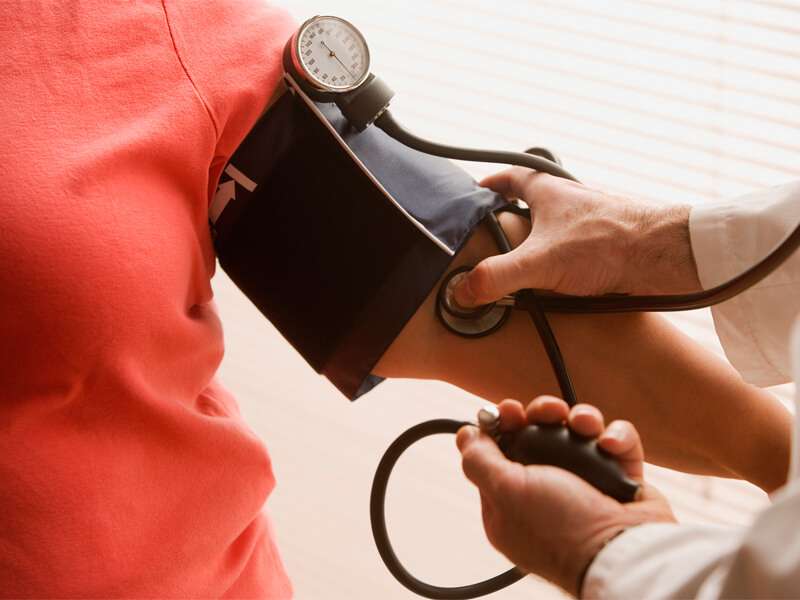
High blood pressure, or hypertension, is a common condition that increases the risk of heart disease and stroke. Managing it effectively is crucial for long-term health.
- Symptoms & Causes: Often called the 'silent killer' because it may have no symptoms; causes include genetics, diet, stress, and lifestyle factors.
- Diagnosis: Regular blood pressure monitoring using a cuff device; multiple readings over time are necessary for accuracy.
- Treatment/Management: Lifestyle modification such as reduced salt intake, regular exercise, weight control, and prescribed antihypertensive medications.
- What to Expect: Consistent management can prevent complications; ongoing follow-up with your physician ensures treatment efficacy and adjustment if needed.
Early detection and adherence to therapy can help maintain normal blood pressure, reducing risks significantly.