
Dr NK Batham
About Me
Dr NK Batham
MBBS
Dermatologist
10 Years Experience
Biography
My Clinic
OPD Hours
| Monday | Morning | 10:00 AM | - | 02:00 PM |
| Evening | 06:00 PM | - | 09:00 PM | |
| Tuesday | Morning | 10:00 AM | - | 02:00 PM |
| Evening | 06:00 PM | - | 09:00 PM | |
| Wednesday | Morning | 10:00 AM | - | 02:00 PM |
| Evening | 06:00 PM | - | 09:00 PM | |
| Thursday | Morning | 10:00 AM | - | 02:00 PM |
| Evening | 06:00 PM | - | 09:00 PM | |
| Friday | Morning | 10:00 AM | - | 02:00 PM |
| Evening | 06:00 PM | - | 09:00 PM | |
| Saturday | Morning | 10:00 AM | - | 02:00 PM |
| Evening | 06:00 PM | - | 09:00 PM | |
| Sunday | Morning | 10:00 AM | - | 02:00 PM |
| Evening | 06:00 PM | - | 09:00 PM |
Treatments
Specialised care and treatments offered
WART REMOVAL
Warts are benign growths caused by human papillomavirus (HPV) infection affecting skin surfaces frequently exposed such as hands or feet. Removal treats cosmetic concerns as well as reduces transmission risk.
- Presentation & Causes : Warts appear as rough-textured bumps that may cause discomfort depending on location. HPV infection leads to proliferation of epidermal cells forming these lesions.
- Diagnosis Overview : Visual examination typically sufficient; rarely biopsy needed if diagnosis uncertain.
- Treatment Modalities : Options include cryotherapy (freezing), topical salicylic acid preparations, laser therapy or minor surgical excision based on wart size/type.
- Procedure Expectations : Treatments may require multiple sessions; freezing causes gradual wart shedding while topical agents work over weeks-months.
- Post-Treatment Care & Outcome : Healing generally quick; proper wound care prevents infection and recurrence rates vary but can be minimized with prompt intervention.
Early treatment facilitates faster resolution preventing spread ensuring better cosmetic results without significant discomfort or downtime.
PSORIASIS MANAGEMENT
Psoriasis is a chronic inflammatory skin condition causing red patches covered with silvery scales. While not curable, it can be effectively managed through various treatments aimed at controlling symptoms and flares.
- Causes & Symptoms : Autoimmune-mediated rapid turnover of skin cells leads to thickened plaques often accompanied by itching or discomfort.
- Diagnosis : Physical examination supported by patient history confirms psoriasis; sometimes biopsy differentiates from other conditions.
- Treatment approaches : Topical corticosteroids, moisturizers, phototherapy, and systemic medications depending on severity are utilized.
- Management considerations : Regular follow-up ensures side effects are minimized while maintaining disease control. Lifestyle factors also play a role.
- Expectations : With adherence to prescribed regimens most patients experience significant symptom relief though occasional flare-ups may occur.
Though chronic, psoriasis can be kept well-managed allowing patients better comfort and quality of life through consistent care strategies.
ACNE SCAR TREATMENT
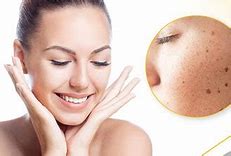
Treating acne scars can significantly enhance skin appearance and patient confidence. Various approaches target the texture irregularities left behind after active acne subsides.
- Causative factors: Scars form from inflammation damaging collagen during active acne outbreaks.
- Diagnostic evaluation: Identifies scar types (icepick, boxcar, rolling) to choose suitable therapies tailored by severity and location.
- Treatment options: Include microneedling, laser resurfacing, chemical peels, or fillers depending on scar depth and type.
- Therapy course details: Multiple sessions often spaced monthly help achieve gradual improvement without extensive downtime.
- Outcome monitoring: Ongoing assessment guides adjustments for safest maximal benefit restoration of smoothness and even tone.
MOLE REMOVAL
Mole removal is often sought when moles cause cosmetic concern or show changes that warrant medical evaluation. This procedure can be performed safely in-office with minimal discomfort.
- Signs prompting treatment: Change in size, shape, color, or symptomatic moles such as itching or bleeding require attention.
- Assessment steps: A thorough dermatological exam including dermoscopy helps differentiate benign from suspicious lesions prior to removal.
- Treatment techniques: Methods include surgical excision or shave removal depending on mole characteristics.
- Post-treatment care: Keeping the area clean and monitoring healing helps prevent infection and scarring.
- Patient expectations: Results usually include complete mole clearance; biopsy may be performed if malignancy is suspected.
This procedure balances aesthetic improvement with essential health screening when necessary.
LASER HAIR REMOVAL
Laser hair removal uses targeted light energy to reduce unwanted hair growth safely and effectively. It is commonly chosen for long-term hair reduction on various body areas.
- Symptoms/indications: Useful for patients struggling with excessive or unwanted hair in areas like face, underarms, or legs.
- Diagnostic considerations: Skin and hair type assessment ensures safe use of laser parameters customized per individual.
- Treatment method: Pulses of laser light destroy hair follicles without damaging surrounding skin tissue.
- Management plan: Multiple sessions at intervals are required for optimal results due to hair growth cycles.
- What to anticipate: Gradual thinning of hair with progressively smoother skin and reduced ingrown hairs.
This technique offers a minimally invasive alternative to shaving or waxing with longer-lasting benefits.
CHEMICAL PEELS
Chemical peels are a popular dermatological procedure designed to improve the texture and appearance of the skin. They involve applying a chemical solution that exfoliates the outer layers, revealing fresher skin beneath.
- Causes and symptoms: Often used to address sun damage, mild scarring, uneven pigmentation, and fine lines.
- Diagnosis: A dermatologist evaluates skin type and concerns to select an appropriate peeling agent and strength.
- Treatment process: The chemical solution is carefully applied in a clinic setting; peeling occurs over a few days post-treatment.
- Management options: Can be repeated in sessions spaced weeks apart to achieve desired results safely.
- Expected outcomes: Smoother, brighter skin with reduced pigmentation irregularities and improved tone.
This controlled exfoliation is an effective way to revitalize skin with minimal downtime when performed under professional supervision.