
Dr Nitin Gokhale
About Me
Dr Nitin Gokhale
MBBS
General Physician
10 Years Experience
Biography
My Clinic
OPD Hours
| Monday | Morning | 10:00 AM | - | 02:00 PM |
| Evening | 06:00 PM | - | 09:00 PM | |
| Tuesday | Morning | 10:00 AM | - | 02:00 PM |
| Evening | 06:00 PM | - | 09:00 PM | |
| Wednesday | Morning | 10:00 AM | - | 02:00 PM |
| Evening | 06:00 PM | - | 09:00 PM | |
| Thursday | Morning | 10:00 AM | - | 02:00 PM |
| Evening | 06:00 PM | - | 09:00 PM | |
| Friday | Morning | 10:00 AM | - | 02:00 PM |
| Evening | 06:00 PM | - | 09:00 PM | |
| Saturday | Morning | 10:00 AM | - | 02:00 PM |
| Evening | 06:00 PM | - | 09:00 PM | |
| Sunday | Morning | 10:00 AM | - | 02:00 PM |
| Evening | 06:00 PM | - | 09:00 PM |
Treatments
Specialised care and treatments offered
CHOLESTEROL MONITORING
Lipid imbalance can silently contribute to the development of cardiovascular diseases. Monitoring cholesterol levels helps evaluate risks early so corrective measures can be implemented promptly onwards toward healthier arteries.
- CAUSES :Unhealthy diets rich in saturated fats/trans fats coupled with low physical activity precipitate elevated cholesterol especially LDL ('bad' cholesterol).
- SYMPTOMS :Usually there are no apparent warnings until artery blockage leads to complications like angina or stroke;
- TESTS :Fasting lipid profile measures total cholesterol including HDL ('good' cholesterol), LDL fraction & triglycerides providing a comprehensive lipid picture;
- MANAGEMENT :Lifestyle optimization emphasizing balanced nutrition plus regular exercise forms first line treatment with pharmacological options reserved based on severity/risk factors;
Routine cholesterol checks enable tracking progress making it easier for individuals committed towards cardiovascular well-being while minimizing future health risks effectively .
ANEMIA EVALUATION

Anemia occurs when your body lacks enough healthy red blood cells to carry adequate oxygen to tissues. Identifying the cause directs appropriate management strategies effectively preventing fatigue-related complications.
- SIGNIFICANT CAUSES INCLUDE: Nutritional deficiencies (iron/vitamin B12), chronic diseases such as kidney problems or inflammatory disorders.
- SYMPTOMS TO NOTICE: Persistent tiredness, pale skin, shortness of breath during exertion among common signs prompting investigation.
- EVALUATION METHODS : Complete blood count (CBC) test highlights hemoglobin levels along with indices aiding differentiation between types of anemia; additional tests ordered as indicated by clinical context
ROUTINE HEALTH CHECKUPS

A periodic full medical examination is essential for detecting underlying health conditions before symptoms arise. These routine checkups form a cornerstone of preventive healthcare.
- PURPOSE: Identify risk factors for diseases such as diabetes, heart disease, kidney conditions early on through comprehensive assessments.
- TYPICAL TESTS INCLUDE: Blood panels (glucose, lipids), urine analysis, ECGs depending on age and risk profile.
- LIFESTYLE REVIEW: Evaluation of diet habits, exercise routines, smoking/alcohol use for personalized advice on prevention strategies.
- BENEFITS: Early intervention lowers potential treatment burdens and improves quality of life long-term by maintaining optimal health status through continual monitoring.
Makes staying proactive about health achievable and reduces unforeseen emergencies by vigilant surveillance of bodily functions over time.
RESPIRATORY TRACT INFECTION CARE
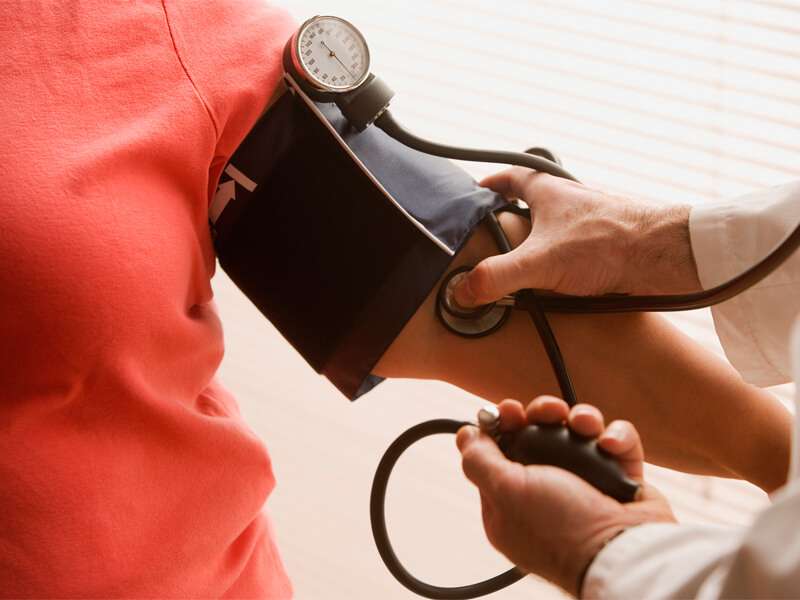
Infections affecting the respiratory tract range from mild colds to more severe bronchitis or pneumonia. Prompt care helps prevent progression and complications.
- Main causes: Viral infections are most common; bacterial causes require different treatment approaches.
- Symptoms include: Coughing, sore throat, nasal congestion, fever, difficulty breathing in severe cases.
- Diagnosis: Based on clinical evaluation; sometimes supported by chest X-rays or sputum analysis if infection persists or worsens.
- Treatment strategies: Symptomatic relief with fluids and rest; antibiotics only when bacterial origin is confirmed; inhalers may be prescribed for airway support where necessary.
Caring for respiratory infections promptly promotes quicker recovery while minimizing risks of chronic respiratory problems or hospitalization.
DIABETES SCREENING

Early detection of diabetes is vital to prevent complications. Screening helps identify individuals at risk or in the early stages of diabetes mellitus.
- Who should get screened: People with family history, obesity, sedentary lifestyle, or over age 45 are recommended candidates.
- Screening methods: Fasting blood glucose tests, HbA1c levels, and oral glucose tolerance tests are commonly used diagnostic tools.
- Risk factors assessment: Includes evaluation of lifestyle habits and metabolic indicators like cholesterol levels and blood pressure.
- If diagnosed: Diabetes management involves dietary changes, physical activity enhancement, monitoring blood sugar levels regularly, and sometimes medication or insulin therapy.
An early diagnosis through effective screening significantly improves long-term outcomes by enabling timely intervention and control measures.
HYPERTENSION MANAGEMENT

High blood pressure, or hypertension, often has no clear symptoms but can lead to serious health issues if untreated. Understanding and controlling hypertension is crucial for maintaining cardiovascular health.
- Causes: Often linked to lifestyle factors such as diet, stress, and physical inactivity; may also be influenced by genetics.
- Symptoms: Usually asymptomatic but can include headaches or dizziness in severe cases.
- Diagnosis: Regular blood pressure monitoring using sphygmomanometers; confirmed through multiple readings over time.
- Treatment options: Lifestyle changes like reducing salt intake, regular exercise, weight management; medications such as ACE inhibitors or beta-blockers as prescribed.
- What to expect: With adherence to treatment and lifestyle modifications, blood pressure can be controlled effectively to reduce risk of heart disease and stroke.
The key to managing hypertension lies in consistent monitoring and collaboration with healthcare providers to tailor the approach for each individual’s needs.