
Dr Nirupma Pushk
About Me
Dr Nirupma Pushk
MBBS
Dermatologist
10 Years Experience
Biography
My Clinic
OPD Hours
| Monday | Morning | 10:00 AM | - | 02:00 PM |
| Evening | 06:00 PM | - | 09:00 PM | |
| Tuesday | Morning | 10:00 AM | - | 02:00 PM |
| Evening | 06:00 PM | - | 09:00 PM | |
| Wednesday | Morning | 10:00 AM | - | 02:00 PM |
| Evening | 06:00 PM | - | 09:00 PM | |
| Thursday | Morning | 10:00 AM | - | 02:00 PM |
| Evening | 06:00 PM | - | 09:00 PM | |
| Friday | Morning | 10:00 AM | - | 02:00 PM |
| Evening | 06:00 PM | - | 09:00 PM | |
| Saturday | Morning | 10:00 AM | - | 02:00 PM |
| Evening | 06:00 PM | - | 09:00 PM | |
| Sunday | Morning | 10:00 AM | - | 02:00 PM |
| Evening | 06:00 PM | - | 09:00 PM |
Treatments
Specialised care and treatments offered
MELANOMA SCREENING
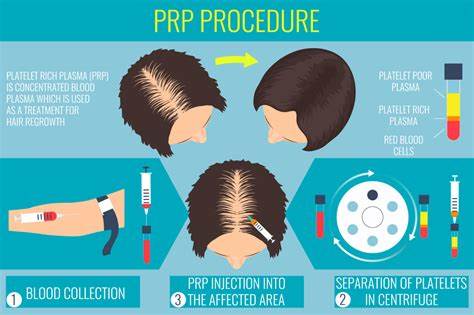
The early detection of melanoma significantly increases survival rates. Melanoma develops when pigment-producing cells mutate into cancerous growths usually appearing as moles changing over time on the skin surface.
ALOPECIA AREATA
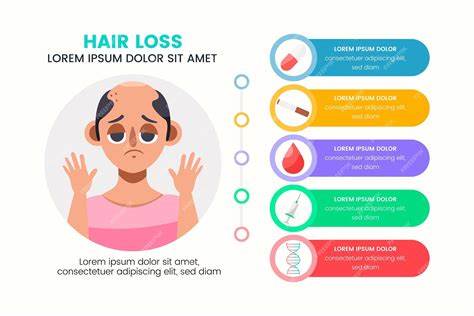
Alopecia areata is an autoimmune disease characterized by sudden hair loss in round patches on the scalp or other body areas. The immune system mistakenly attacks hair follicles leading to hair shedding.
ROSACEA
This chronic dermatologic disorder primarily affects facial skin leading to redness and visible blood vessels. It may also cause bumps resembling acne without blackheads.
- Main features: Persistent flushing or redness on cheeks, nose; sometimes eye irritation occurs (ocular rosacea).
- Diagnostic process: Based on clinical signs as there are no definitive tests; history of triggers aids diagnosis.
- Treatment modalities: Topical metronidazole or azelaic acid creams are common; oral antibiotics may help during active inflammation phases.
- Avoidance of triggers: Sun exposure, hot spicy foods, alcohol are typical exacerbating factors that should be minimized where possible.
- Treatment outlook: While rosacea is lifelong for many patients, controlling symptoms improves appearance substantially over time. .
ECZEMA (ATOPIC DERMATITIS)
Eczema is an inflammatory skin condition causing dry, itchy patches that can become red and cracked. It often begins in childhood but may affect adults as well.
- Symptoms include: Intense itching, dryness, redness, possible weeping or crusting during flares.
- Evaluation: Diagnosed clinically by appearance and history; allergy testing may be helpful in some cases.
- Treatments: Emollients to restore moisture barrier; topical corticosteroids to reduce inflammation; antihistamines for itch relief when needed.
- Avoidance measures: Identifying and limiting exposure to irritants or allergens that trigger flare-ups enhances control.
- User expectations: Eczema management focuses on symptom relief and preventing flares since it tends to be a chronic course for many patients.
A consistent skincare regimen combined with individualized therapy aids in reducing discomfort associated with eczema’s recurring nature.
ACNE VULGARIS
Acne vulgaris commonly affects adolescents but can persist into adulthood or develop later. It arises from clogged hair follicles due to excess oil, dead skin cells, and bacteria.
- Signs: Whiteheads, blackheads, pimples, cysts, mainly on the face, back, and chest.
- Diagnosis: Primarily based on physical examination; sometimes severity grading is done to guide treatment.
- Treatment approaches: Range from topical retinoids and antibiotics to oral medications including hormonal therapy or isotretinoin in severe cases.
- Lifestyle advice: Gentle skincare routines are recommended; avoid picking or squeezing lesions to prevent scarring.
- Prognosis: With appropriate treatment acne can substantially improve although some scarring may remain in severe cases.
An individualized plan balancing medication and skincare helps control acne while minimizing side effects for healthier skin over time.
PSORIASIS
Psoriasis is a chronic autoimmune skin condition that accelerates the life cycle of skin cells, resulting in thick, scaly patches. It can affect various parts of the body and often follows a cyclical pattern with periods of flare-ups and remission.
- Symptoms: Raised, red patches covered with silvery scales, itching, and sometimes joint pain if psoriatic arthritis is involved.
- Diagnosis: Clinical examination by a dermatologist is typically sufficient; in some cases, a skin biopsy may be performed.
- Treatment options: Include topical treatments (corticosteroids, vitamin D analogues), phototherapy, and systemic medications for severe cases.
- Management: Lifestyle modifications like moisturizing regularly and avoiding known triggers can help control symptoms.
- Expectations: Psoriasis is a long-term condition but can be effectively managed to reduce flare-ups and improve quality of life.
A comprehensive approach addressing both symptoms and triggers is essential for controlling psoriasis and maintaining healthy skin over time.