
Dr Niraj Garg
About Me
Dr Niraj Garg
MS
Orthopaedic Surgeons
10 Years Experience
Biography
My Clinic
OPD Hours
| Monday | Morning | 10:00 AM | - | 02:00 PM |
| Evening | 06:00 PM | - | 09:00 PM | |
| Tuesday | Morning | 10:00 AM | - | 02:00 PM |
| Evening | 06:00 PM | - | 09:00 PM | |
| Wednesday | Morning | 10:00 AM | - | 02:00 PM |
| Evening | 06:00 PM | - | 09:00 PM | |
| Thursday | Morning | 10:00 AM | - | 02:00 PM |
| Evening | 06:00 PM | - | 09:00 PM | |
| Friday | Morning | 10:00 AM | - | 02:00 PM |
| Evening | 06:00 PM | - | 09:00 PM | |
| Saturday | Morning | 10:00 AM | - | 02:00 PM |
| Evening | 06:00 PM | - | 09:00 PM | |
| Sunday | Morning | 10:00 AM | - | 02:00 PM |
| Evening | 06:00 PM | - | 09:00 PM |
Treatments
Specialised care and treatments offered
TENNIS ELBOW
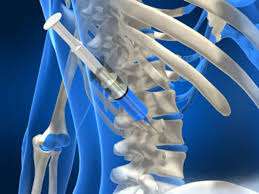
Tennis elbow is not limited only to tennis players! This condition indicates lateral epicondylitis characterized by elbow pain resulting from repetitive motions involving wrist extension activities!
- The Symptoms include: Pain felt on outer elbow radiating down forearm usually associated with gripping tasks has been noted most frequently.
- Common Causes: Your arm usage habits play a critical role including repetitive strain cycles experienced during sports hobbies affecting muscle tendons.
Clinical evaluations combine history taking along physical assessments focusing on tenderness detecting inflammation around elbow areas< br /> < ul style='margin: 0'>
Seeking assistance sooner rather than later ensures favorable results towards result-oriented management plans across varied lifestyles!
ACHILLES TENDINITIS
Achilles tendinitis refers to inflammation of the Achilles tendon at its insertion on the heel bone. It’s frequently seen in runners and individuals engaging in sports with jumping components.
- The condition manifests as pain along the back of the heel that worsens with activity but improves with rest
- Common causes include sudden increases in physical activity levels or improper footwear leading to undue strain on the tendon
- Diagnosis generally involves a review of symptoms followed by a physical examination assessing tenderness
- Treatment options range from non-operative methods such as analgesics or ice application versus operative procedures if non-surgical management fails
Attention on proper rehabilitation can promote recovery while reducing recurrence risks associated with Achilles tendinitis.
CARPAL TUNNEL SYNDROME

This condition arises from compression of the median nerve in the wrist as it passes through a narrow channel. It's common among office workers who engage in repetitive hand movements over prolonged periods!
- Symptoms: Numbness, tingling, or weakness in the hand that worsens at night or with certain activities like typing is typical presentation.
- Causes: Conditions like diabetes or thyroid issues can contribute; overuse of handheld devices has also been linked recently!
- Treatment: Options can include wrist splints to minimize symptoms, medication for inflammation relief ,or even surgical decompression if conservative treatments fail.
Addressing carpal tunnel syndrome proactively can enhance daily function for affected individuals.
ROTATOR CUFF INJURIES

The rotator cuff consists of muscles and tendons that stabilize the shoulder joint. Injuries here are common among athletes and individuals performing repetitive overhead activities.
- Symptoms: Patients typically report shoulder pain, especially when lifting objects overhead or performing certain motions.
- Causes: Injuries can occur suddenly due to falls or gradually due to wear-and-tear over time.
- Diagnosis: Impressive imaging techniques like MRI help in visualizing tendon damage and pinpointing injury severity.
- Treatment: Management may include rest and strengthening exercises; surgery might be recommended if conservative measures fail after several months of care.
Catching rotator cuff injuries early facilitates better recovery options tailored to individual needs.
MENISCUS TEARS

A meniscus tear occurs when the cartilage cushioning the knee joint is damaged, usually due to twisting movements or heavy lifting. This injury is prevalent among athletes but can affect anyone.
- Causes: Often results from acute trauma during sports; chronic degeneration can also lead to tears over time.
- Symptoms: Pain, swelling, stiffness in the knee joint, particularly during movement; a clicking sensation might be felt.
- Diagnosis: Physicians often utilize physical exams alongside MRI scans for accurate assessment of meniscal injuries.
- Treatment: Options range from conservative management with rest and physiotherapy to surgical repair in more severe cases.
An early diagnosis can significantly improve outcomes for individuals suffering from meniscus tears.
FRACTURES

Fractures are breaks in the continuity of bone, which can occur due to trauma, stress, or underlying conditions. These injuries are common in both adults and children and may present with significant pain and disability.
- Symptoms: Sudden pain at the injury site, swelling, bruising, and inability to use the affected limb.
- Diagnosis: Fractures are typically diagnosed through physical examination and imaging studies such as X-rays or CT scans.
- Treatment: Management may involve immobilization with casts or splints for minor fractures; more severe cases could require surgical intervention.
- What to Expect: Healing times vary based on fracture severity and location, but rehabilitation is often necessary to restore function.
A timely evaluation and appropriate treatment are essential for optimal recovery from fractures.