
DR Nimesh Agarwal
About Me
DR Nimesh Agarwal
MBBS
General Physician
10 Years Experience
Biography
My Clinic
OPD Hours
| Monday | Morning | 10:00 AM | - | 02:00 PM |
| Evening | 06:00 PM | - | 09:00 PM | |
| Tuesday | Morning | 10:00 AM | - | 02:00 PM |
| Evening | 06:00 PM | - | 09:00 PM | |
| Wednesday | Morning | 10:00 AM | - | 02:00 PM |
| Evening | 06:00 PM | - | 09:00 PM | |
| Thursday | Morning | 10:00 AM | - | 02:00 PM |
| Evening | 06:00 PM | - | 09:00 PM | |
| Friday | Morning | 10:00 AM | - | 02:00 PM |
| Evening | 06:00 PM | - | 09:00 PM | |
| Saturday | Morning | 10:00 AM | - | 02:00 PM |
| Evening | 06:00 PM | - | 09:00 PM | |
| Sunday | Morning | 10:00 AM | - | 02:00 PM |
| Evening | 06:00 PM | - | 09:00 PM |
Treatments
Specialised care and treatments offered
ROUTINE HEALTH CHECK-UP
A comprehensive periodic health exam plays a crucial role in preventive care by spotting early signs of illness before symptoms appear. It encourages longevity through awareness and intervention.
SEASONAL ALLERGY EVALUATION

Suffering from sneezing fits or itchy eyes during certain times of year? Seasonal allergies arise due to environmental triggers affecting the immune system’s response.
- Causative factors/symptoms:Pollen exposure leads to nasal congestion, watery eyes, throat irritation commonly seen in spring or fall seasons.
- Eliciting diagnosis:An allergist may conduct skin prick tests or blood tests identifying specific allergens contributing to symptoms.
- Treatment methods: Avoidance of known allergens alongside antihistamines , nasal corticosteroids , or immunotherapy offers symptom relief .
- Prognosis: Many patients achieve significant improvement enabling normal daily activities when allergies are managed appropriately .
Understanding your triggers promotes effective allergy control enhancing comfort during sensitive periods .
CHOLESTEROL MONITORING AND MANAGEMENT
Lipid disorders can silently contribute to cardiovascular problems. Monitoring cholesterol levels helps identify risks early for timely intervention.
- Causes/symptoms: Elevated LDL cholesterol often results from diet high in saturated fats or genetic predisposition; usually asymptomatic initially.
- Diagnosis: Blood lipid profiles measuring total cholesterol, LDL, HDL, and triglycerides provide essential information for evaluation.
- Treatment strategies: Dietary changes focusing on healthy fats intake, physical activity enhancements along with statin therapy if indicated by guidelines.
- Aims & expectations: Lowering harmful cholesterol levels reduces chances of heart attacks or strokes over time through sustained effort.
A proactive approach including regular check-ups supports maintaining a healthy lipid profile.
ADULT IMMUNIZATION COUNSELING
Vaccinations remain vital beyond childhood to protect adults from various preventable diseases. Immunization advice tailors vaccines based on age, health status, and risk factors.
- Importance: Boost immunity against infections such as influenza, pneumonia, hepatitis B, and tetanus.
- Assessment: Reviewing past vaccination history and current health helps determine appropriate immunizations.
- Treatment approach: Recommendations for yearly flu shots or periodic boosters depending on individual circumstances.
- User guidance: Understanding possible side effects like mild soreness or fever reassures patients during vaccination planning.
An individualized vaccination schedule ensures you maintain disease protection, especially in adulthood when immunity may wane or risks increase.
TYPE 2 DIABETES SCREENING AND CONTROL

Type 2 diabetes is a chronic condition affecting how your body processes blood sugar (glucose). Early screening and management can prevent serious complications.
- Symptoms/causes: Signs include increased thirst, frequent urination, fatigue; causes involve insulin resistance often linked with obesity and sedentary lifestyle.
- Diagnosis: Blood tests such as fasting glucose, HbA1c levels help detect diabetes or prediabetes stages.
- Treatment options: Focus on diet modification, physical activity, weight loss programs along with medications when prescribed.
- What to expect: Regular monitoring aids in avoiding long-term effects like neuropathy or kidney disease by maintaining good glycemic control.
Lifestyle intervention combined with medical supervision forms the cornerstone of effective diabetes management.
HYPERTENSION MANAGEMENT
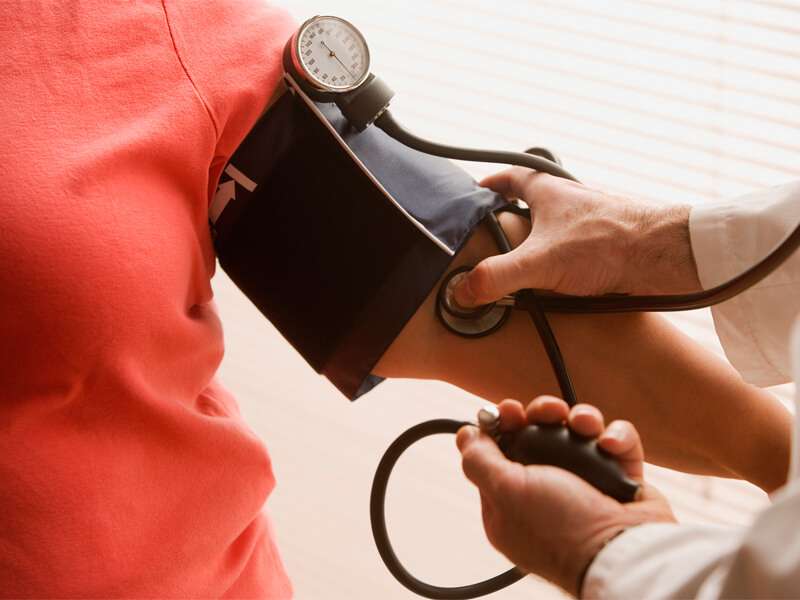
High blood pressure, or hypertension, is a common yet serious condition that increases the risk of heart disease and stroke. Controlling it effectively helps to maintain overall cardiovascular health.
- Symptoms/causes: Often called the 'silent killer,' hypertension may not show obvious symptoms; it's influenced by factors such as genetics, diet high in salt, obesity, and stress.
- Diagnosis: Blood pressure readings taken using a sphygmomanometer across multiple visits confirm the diagnosis.
- Treatment options: Lifestyle changes like reducing salt intake, regular exercise, weight management, and prescribed antihypertensive medications are key components.
- What to expect: With consistent management and monitoring, blood pressure can be controlled to reduce complications significantly.
The goal is to maintain optimal blood pressure through a combination of lifestyle and medical approaches tailored to each individual’s needs.