
Dr Nikhil Gupta
About Me
Dr Nikhil Gupta
MBBS
General Physician
10 Years Experience
Biography
My Clinic
OPD Hours
| Monday | Morning | 10:00 AM | - | 02:00 PM |
| Evening | 06:00 PM | - | 09:00 PM | |
| Tuesday | Morning | 10:00 AM | - | 02:00 PM |
| Evening | 06:00 PM | - | 09:00 PM | |
| Wednesday | Morning | 10:00 AM | - | 02:00 PM |
| Evening | 06:00 PM | - | 09:00 PM | |
| Thursday | Morning | 10:00 AM | - | 02:00 PM |
| Evening | 06:00 PM | - | 09:00 PM | |
| Friday | Morning | 10:00 AM | - | 02:00 PM |
| Evening | 06:00 PM | - | 09:00 PM | |
| Saturday | Morning | 10:00 AM | - | 02:00 PM |
| Evening | 06:00 PM | - | 09:00 PM | |
| Sunday | Morning | 10:00 AM | - | 02:00 PM |
| Evening | 06:00 PM | - | 09:00 PM |
Treatments
Specialised care and treatments offered
LIPID PROFILE TESTING
Lipid profile testing evaluates cholesterol levels critical for cardiovascular risk assessment. Monitoring these parameters enables preventive measures against heart disease related events such as myocardial infarction or stroke.
- Lipid abnormalities arise due to diet high in saturated fats,sedentary lifestyle,family history,and certain medical conditions
- Test components include measuring total cholesterol , LDL ('bad') cholesterol , HDL ('good') cholesterol , triglycerides
- Interpretation assists physicians in guiding lifestyle recommendations ,medication prescriptions such as statins when necessary
- Frequency depends on individual risk profiles but often recommended annually for those above 40 years old especially with other risk factors
Early detection through lipid profiling empowers effective interventions reducing the chances of developing serious cardiovascular complications over time .
RESPIRATORY INFECTION ASSESSMENT

The respiratory tract is vulnerable to infections such as bronchitis or pneumonia which can vary from mild to severe. Timely evaluation aids in preventing complications especially in vulnerable populations like children and elderly individuals.
- Causes include viruses (e.g., influenza), bacteria (e.g., Streptococcus pneumoniae), exposure to pollutants
- Symptoms often involve cough with sputum production, fever,chest discomfort,difficulty breathing
- Diagnosis typically involves physical examination augmented by chest X-rays,and sputum cultures if bacterial infection suspected
- Treatment modalities involve supportive care with hydration plus antibiotics when bacterial etiology confirmed,use of antiviral agents during flu outbreaks
Proper identification coupled with appropriate medical intervention shortens illness duration while safeguarding lung function for long-term respiratory health
ANEMIA DIAGNOSIS AND MANAGEMENT

Anemia is a condition where the body lacks adequate healthy red blood cells to carry oxygen effectively. Recognizing its causes is important for proper treatment tailored to individual needs.
- Causal sources include: nutritional deficiencies (iron, vitamin B12), chronic inflammation, or bone marrow disorders.
- Common manifestations: fatigue, pallor, shortness of breath during exertion, dizziness.
- This condition requires: complete blood count testing along with iron studies or vitamin assays for accurate diagnosis.
- Treatment strategies: range from supplementation with iron/vitamins to addressing underlying chronic diseases when applicable.
A well-rounded approach helps restore hemoglobin levels improving energy levels and overall wellness effectively over time with guided medical care.
THYROID FUNCTION EVALUATION
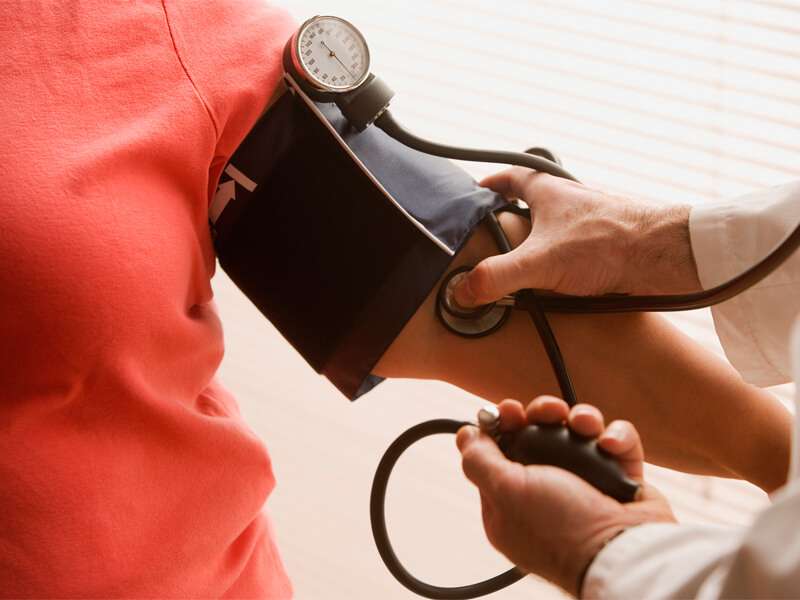
The thyroid gland regulates metabolism via hormone production. Dysfunction may lead to hypothyroidism or hyperthyroidism which affect multiple body systems. Identifying abnormal thyroid function early supports better health outcomes.
- Causative factors: Autoimmune diseases like Hashimoto’s thyroiditis or Graves' disease are common triggers.
- Symptoms suggestive of dysfunction: Fatigue, weight changes, temperature intolerance, palpitations depending on hypo- or hyper-functioning state.
- Diagnostic methods: Blood tests measuring TSH, free T4 and T3 hormones provide essential information about thyroid status.
- Treatment options: Hormone replacement therapy for hypothyroidism or antithyroid medications for hyperthyroidism are standard care modalities.
A prompt evaluation of thyroid health helps restore metabolic balance and prevents progression of symptoms impacting daily life activities.
DIABETES MELLITUS SCREENING AND MANAGEMENT

Diabetes mellitus is a metabolic disorder characterized by elevated blood glucose levels. Early diagnosis and control are crucial to avoiding complications like neuropathy or kidney disease.
- Causes: Genetic predisposition combined with lifestyle factors such as poor diet and inactivity.
- Signs & Symptoms: Frequent urination, excessive thirst, unexplained weight loss, fatigue.
- Diagnostic tests: Include fasting blood sugar, HbA1c levels, and oral glucose tolerance tests.
- Treatment approaches: Emphasize blood sugar monitoring, dietary changes, physical activity, oral hypoglycemics or insulin therapy as needed.
- Monitoring expectations: Regular check-ups help tailor treatment to maintain target glucose levels and reduce risk of complications.
Lifelong management with patient education is key in minimizing the impact of diabetes on overall health and wellbeing.
HYPERTENSION MANAGEMENT

High blood pressure, or hypertension, is a chronic condition that significantly increases the risk of heart disease and stroke if left untreated. Regular monitoring and lifestyle modifications can help keep blood pressure within a healthy range.
- Causes: Often linked to genetics, obesity, high salt intake, and stress.
- Symptoms: Usually asymptomatic but may cause headaches or dizziness in severe cases.
- Diagnosis: Involves repeated blood pressure measurements using a sphygmomanometer or ambulatory monitoring for accuracy.
- Treatment: Lifestyle changes such as diet, exercise, and medications including ACE inhibitors or beta-blockers are commonly prescribed.
- Expectations: Consistent follow-up is essential; well-managed hypertension reduces complications and improves quality of life.
Effective management of hypertension focuses on early detection and adherence to treatment plans to prevent long-term damage to vital organs.