
Dr Nigams Homeopa
About Me
Dr Nigams Homeopa
MBBS
General Physician
10 Years Experience
Biography
My Clinic
OPD Hours
| Monday | Morning | 10:00 AM | - | 02:00 PM |
| Evening | 06:00 PM | - | 09:00 PM | |
| Tuesday | Morning | 10:00 AM | - | 02:00 PM |
| Evening | 06:00 PM | - | 09:00 PM | |
| Wednesday | Morning | 10:00 AM | - | 02:00 PM |
| Evening | 06:00 PM | - | 09:00 PM | |
| Thursday | Morning | 10:00 AM | - | 02:00 PM |
| Evening | 06:00 PM | - | 09:00 PM | |
| Friday | Morning | 10:00 AM | - | 02:00 PM |
| Evening | 06:00 PM | - | 09:00 PM | |
| Saturday | Morning | 10:00 AM | - | 02:00 PM |
| Evening | 06:00 PM | - | 09:00 PM | |
| Sunday | Morning | 10:00 AM | - | 02:00 PM |
| Evening | 06:00 PM | - | 09:00 PM |
Treatments
Specialised care and treatments offered
ANEMIA ASSESSMENT
Anemia occurs when the body lacks enough healthy red blood cells to carry oxygen efficiently. Detecting anemia early prevents fatigue-related impairments and identifies underlying causes requiring attention.
- Symptoms/causes: Pale skin,, weakness,, dizziness possibly signal anemia due to nutritional deficiencies,, chronic diseases,, or blood loss.
- diagnosis: A complete blood count (CBC) test details hemoglobin levels, rbc count and indices providing clues about anemia type.
- treatment/managEment: eating iron-rich foods, supplementation , and addressing root causes form key steps.
- etxpEctations: anemia correction improves quality of life; blood tests monitor progress; delaying treatment risks worsening symptoms. lI>
RESPIRATORY INFECTION EVALUATION

Lung infections affect breathing efficiency and can range from mild to severe. Proper evaluation identifies the cause and directs effective treatment for recovery and prevention of complications.
- Symptoms/causes:Persistent cough, fever, chest pain likely indicate infection from viruses or bacteria; risk factors include smoking and weakened immunity.
- Diagnosis:Diligent physical examination combined with chest X-rays or sputum analysis assists in accurate identification of the pathogen involved.
- Treatment/management:Sufficient rest paired with antibiotics or antivirals when indicated along with symptomatic relief measures aid healing process
- Expectations: Timely diagnosis usually leads to full recovery within days to weeks; delayed care could worsen pneumonia.
An informed approach assists both patient comfort and prompt clearance of infection while safeguarding lung function long term.
THYROID FUNCTION TESTING

The thyroid gland regulates metabolism through hormone secretion. Dysfunction can result in various symptoms affecting energy levels and organ systems. Testing helps identify imbalances early.
- Symptoms/causes: Fatigue, weight changes, temperature sensitivity may suggest hypo- or hyperthyroidism; causes include autoimmune diseases and iodine deficiency.
- Diagnosis: Blood tests measuring TSH (thyroid-stimulating hormone), T3 and T4 hormones provide an overview of gland function.
- Treatment/management: Depending on results: hormone replacement therapy or medications that inhibit hormone overproduction may be recommended.
- Expectations: Most patients respond well to treatment with symptom improvement; ongoing monitoring ensures optimal dosing.
Easily performed tests assist doctors in maintaining hormonal balance crucial for metabolic health and quality of life maintenance.
ROUTINE HEALTH CHECK-UP
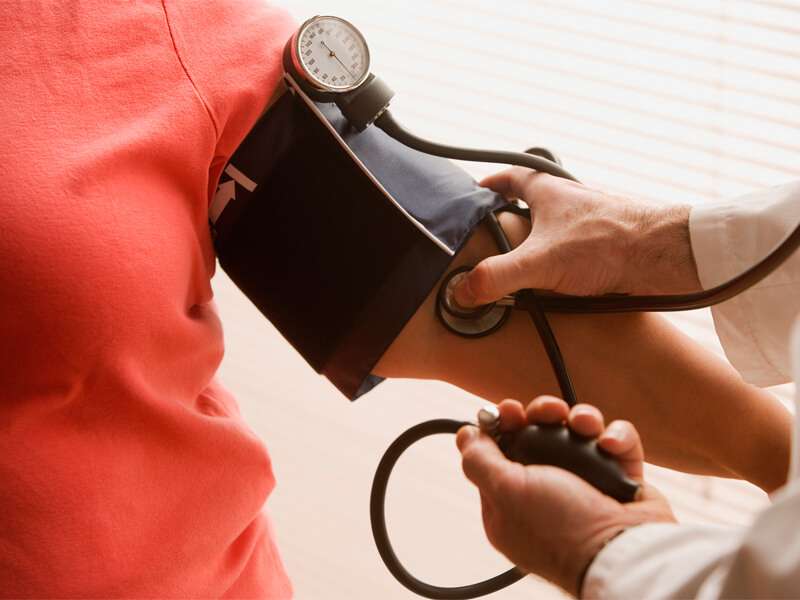
A routine health check-up involves a comprehensive assessment aimed at detecting potential health issues before symptoms appear. This preventive approach supports long-term wellness.
- Symptoms/causes: Generally asymptomatic individuals seeking to maintain good health or monitor chronic conditions.
- Diagnosis: Includes physical examination, vital signs measurement, basic blood tests (CBC, lipid profile), urine analysis, and other age-appropriate screenings.
- Treatment/management: Based on findings, guidance on lifestyle improvement or further investigations may be advised.
- Expectations: Provides insight into overall health status; helps tailor personalized preventive care plans.
This proactive approach encourages patients to take charge of their health through informed decisions made alongside their physician.
TYPE 2 DIABETES SCREENING

Type 2 diabetes is a metabolic disorder characterized by high blood sugar due to insulin resistance. Early screening helps in timely diagnosis to avoid complications.
- Symptoms/causes: Symptoms may include increased thirst, frequent urination, fatigue; risk factors include obesity, family history, and sedentary lifestyle.
- Diagnosis: Blood tests like fasting glucose level, HbA1c, or oral glucose tolerance test assess sugar metabolism status.
- Treatment/management: Emphasis on dietary changes, regular physical activity, weight management, and medication if needed.
- Expectations: Early detection allows better control; patients can often lead healthy lives with appropriate care.
Screening is vital in detecting prediabetes or diabetes early to implement life-saving interventions promptly.
HYPERTENSION MANAGEMENT

High blood pressure, or hypertension, is a common condition that increases the risk of serious health problems like heart disease and stroke. Early identification and control can prevent complications.
- Symptoms/causes: Often called the "silent killer" because it may show no symptoms; risk factors include genetics, high salt intake, obesity, and stress.
- Diagnosis: Routine measurement using a blood pressure cuff during multiple visits; ambulatory monitoring might be recommended for confirmation.
- Treatment/management: Lifestyle modifications such as diet changes, exercise, weight loss, and medication adherence if prescribed.
- Expectations: With proper management, blood pressure can be controlled effectively to minimize risks; regular follow-up is important.
Proper understanding and consistent care are essential for managing hypertension successfully and maintaining long-term heart health.