
Dr Neeraj Shukla
About Me
Dr Neeraj Shukla
B.P.T
Physiotherapist
10 Years Experience
Biography
My Clinic
OPD Hours
| Monday | Morning | 10:00 AM | - | 02:00 PM |
| Evening | 06:00 PM | - | 09:00 PM | |
| Tuesday | Morning | 10:00 AM | - | 02:00 PM |
| Evening | 06:00 PM | - | 09:00 PM | |
| Wednesday | Morning | 10:00 AM | - | 02:00 PM |
| Evening | 06:00 PM | - | 09:00 PM | |
| Thursday | Morning | 10:00 AM | - | 02:00 PM |
| Evening | 06:00 PM | - | 09:00 PM | |
| Friday | Morning | 10:00 AM | - | 02:00 PM |
| Evening | 06:00 PM | - | 09:00 PM | |
| Saturday | Morning | 10:00 AM | - | 02:00 PM |
| Evening | 06:00 PM | - | 09:00 PM | |
| Sunday | Morning | 10:00 AM | - | 02:00 PM |
| Evening | 06:00 PM | - | 09:00 PM |
Treatments
Specialised care and treatments offered
GERIATRIC PHYSIOTHERAPY
Seniors face unique challenges related to physical health due to age-related changes. Geriatric physiotherapy focuses on helping older adults maintain their independence while enhancing mobility and function safely!
- Main concerns often encountered include arthritis conditions leading to stiffness,painful jointsor decreased mobility affecting everyday tasks like walking or climbing stairs efficiently!
- A comprehensive evaluation considers medical histories alongside any existing limitations impacting daily living routines significantly impacting overall health outcomes negatively affecting quality-of-life won’t do much either!
- Various treatment avenues exist ranging from gentle exercises improving balance & coordination all way up until more advanced therapeutic modalities depending need assessment regulations established by governing bodies ensuring safe practices adhered throughout journey!
- Outcomes we look forward toward revolve around greater independence boosting confidence facilitating active engagement community whatever age deemed fit retiree enjoying golden years worry-free should always remain dream come true enjoy life fullest before anything else comes knocking💪!
Emphasizing prevention & early intervention remains crucial sustaining wellness physically mentally encouraging holistic approach recognizing importance living healthily regardless stage may inhabit now !
CHRONIC PAIN MANAGEMENT
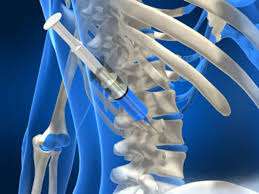
Chronic pain can be debilitating and significantly impact one’s quality of life. Understanding its origins and treatment options is essential in effectively managing it over time.
- This condition may manifest as ongoing discomfort in muscles or joints without an apparent cause that lasts beyond normal healing times.
- A detailed assessment including patient history helps pinpoint possible sources such as past injuries or underlying conditions contributing to chronic pain episodes.
- Treatment approaches might include a combination of manual therapy, exercise programs aimed at improving strength and flexibility, along with education on pain management techniques like mindfulness practices or relaxation strategies.
The ultimate goal is not just relief from discomfort but also regaining control over daily activities without being hindered by persistent pain sensations.
SPORTS INJURY REHABILITATION

Athletes often face sports injuries that can impede performance and lead to long recovery times. Rehabilitation is key to restoring strength and function following these injuries.
- Typical symptoms include localized pain, swelling around the injury site, difficulty bearing weight, or restricted movement specific to the injured area.
- An accurate diagnosis involves both physical examination techniques and imaging studies if required to assess the extent of damage.
- Treatment plans encompass manual therapy, specific exercise regimens designed for athletes, and advice on nutrition for optimal recovery.
- The expected outcome is an improved return-to-play time along with strategies to prevent re-injury during future athletic activities.
A positive mindset alongside structured rehabilitation is essential for achieving peak athletic performance again after injury!
PEDIATRIC PHYSIOTHERAPY

Pediatric physiotherapy focuses on treating infants to adolescents who have development-related issues or injuries. Early intervention plays a vital role in enhancing physical capabilities during growth stages.
- Signs that may require evaluation include delayed milestones, poor coordination, or persistent pain during activity.
- A thorough assessment will take into consideration medical history and specific functional challenges faced by the child.
- Treatment strategies often incorporate play-based therapies, strengthening exercises, and education for parents on managing conditions at home.
- The goal is not only to improve physical function but also to instill confidence in young patients as they engage in everyday activities.
Pediatric physiotherapy aims at empowering children with skills necessary for their overall development through fun yet effective methods.
POST-SURGICAL REHABILITATION

After undergoing surgery, particularly orthopedic procedures, effective rehabilitation is crucial for recovery. This process helps restore function and strength while preventing potential complications.
- Common symptoms post-surgery include pain, swelling, and limited movement in the affected area.
- Diagnosis of rehabilitation needs is based on the type of surgery performed and functional assessments.
- A variety of techniques are used during recovery, such as therapeutic exercises, manual therapy, and modalities like heat or ice application.
- Patients should expect gradual improvements in function as they progress through their personalized rehabilitation plan.
The aim of post-surgical rehabilitation is to facilitate a safe return to daily activities or sports while ensuring long-term wellness.
OSTEOARTHRITIS MANAGEMENT

Osteoarthritis is a degenerative joint disease that affects millions worldwide. It commonly occurs due to aging, but factors such as obesity and previous injuries can exacerbate the condition.
- Symptoms may include joint pain, stiffness, swelling, and reduced range of motion.
- The diagnosis is typically made through physical examinations, medical history review, and imaging tests like X-rays.
- Treatment options often involve physical therapy, lifestyle modifications, medication for pain relief, and in severe cases, surgical interventions.
- Patients can expect improved mobility and a reduction in discomfort with a tailored rehabilitation program.
Implementing a comprehensive management strategy can significantly enhance the quality of life for those suffering from osteoarthritis.