
Dr Nazeer Ahamad
About Me
Dr Nazeer Ahamad
MBBS
General Physician
10 Years Experience
Biography
My Clinic
OPD Hours
| Monday | Morning | 10:00 AM | - | 02:00 PM |
| Evening | 06:00 PM | - | 09:00 PM | |
| Tuesday | Morning | 10:00 AM | - | 02:00 PM |
| Evening | 06:00 PM | - | 09:00 PM | |
| Wednesday | Morning | 10:00 AM | - | 02:00 PM |
| Evening | 06:00 PM | - | 09:00 PM | |
| Thursday | Morning | 10:00 AM | - | 02:00 PM |
| Evening | 06:00 PM | - | 09:00 PM | |
| Friday | Morning | 10:00 AM | - | 02:00 PM |
| Evening | 06:00 PM | - | 09:00 PM | |
| Saturday | Morning | 10:00 AM | - | 02:00 PM |
| Evening | 06:00 PM | - | 09:00 PM | |
| Sunday | Morning | 10:00 AM | - | 02:00 PM |
| Evening | 06:00 PM | - | 09:00 PM |
Treatments
Specialised care and treatments offered
ASTHMA EXACERBATION
An asthma exacerbation refers to an acute worsening of asthma symptoms such as wheezing and breathlessness triggered by allergens or infections. Prompt recognition enables effective relief before severe distress occurs.
- Syndrome involves airway narrowing causing obstruction which leads to shortness of breath plus audible wheezes
- The diagnosis relies on symptom history supported by peak flow measurements demonstrating airflow limitation
- Treatment emphasizes inhaled bronchodilators like beta-agonists combined with corticosteroids either inhaled or systemic depending on severity
- Lifestyle modifications including trigger avoidance play major roles in prevention after recovery
- The patient’s outlook improves significantly with adherence to prescribed controller medications alongside rescue therapy usage only as needed
This pulmonary emergency should be treated urgently requiring monitoring until lung function normalizes adequately preventing long-term damage.
ACUTE GASTROENTERITIS

This condition describes inflammation of the gastrointestinal tract leading to diarrhea and vomiting. It’s commonly caused by infections but can also result from food intolerance or medications affecting stomach lining integrity.
URINARY TRACT INFECTION (UTI)

A urinary tract infection arises when bacteria invade parts of the urinary system causing discomfort and potential complications if untreated. It’s one of the common infections encountered daily in general practice.
- Symptoms and causes: Burning sensation during urination, frequent urge to urinate, cloudy or strong-smelling urine; usually caused by bacteria entering through the urethra from perineal area hygiene issues or sexual activity.
- Diagnosis: Urinalysis showing bacteria and white blood cells confirms infection; sometimes urine culture guides specific antibiotic choice.
- Treatment:
DIABETIC KETOACIDOSIS (DKA)
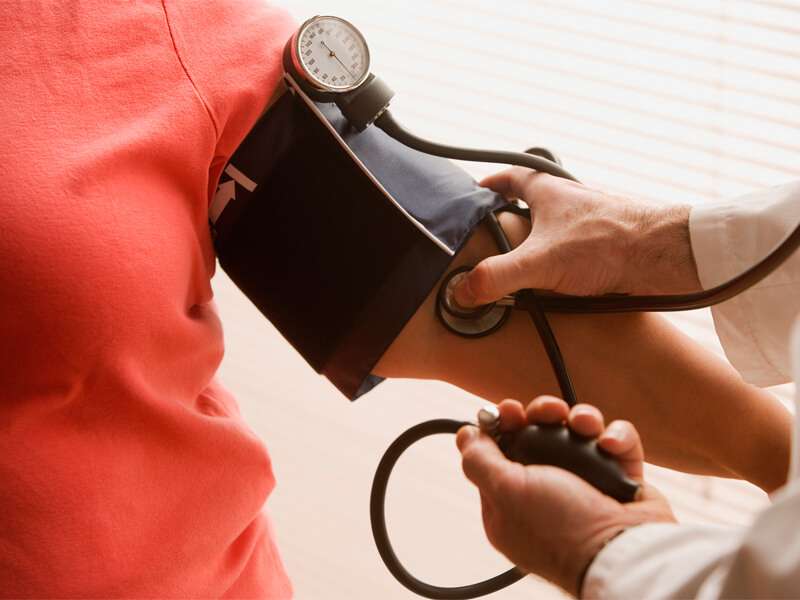
This serious complication occurs mainly in people with diabetes when blood sugar levels become dangerously high due to insulin deficiency. It requires urgent treatment to avoid life-threatening outcomes.
- Symptoms and causes: Includes excessive thirst, frequent urination, nausea, abdominal pain, rapid breathing; often precipitated by infections or missed insulin doses.
- Diagnosis: Blood tests revealing elevated glucose levels, acid-base imbalance (acidosis), ketones in urine or blood confirm the diagnosis.
- Treatment: Intensive care involving fluid replacement, insulin therapy, and correction of electrolyte imbalances are essential components.
- Management: Addressing underlying triggers such as infections helps prevent recurrence; education on diabetes management plays a key role long term.
- Expectations: With prompt care prognosis is good but delays can lead to serious complications including coma or death.
If diabetes symptoms worsen rapidly accompanied by these signs seek emergency help without delay for best outcomes.
HYPERTENSIVE CRISIS
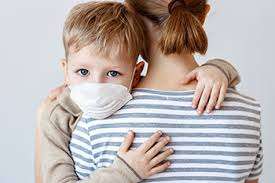
A hypertensive crisis is a severe increase in blood pressure that can lead to stroke or organ damage if not treated immediately. Recognizing this emergency is vital for prompt intervention.
- Symptoms and causes: Often marked by headaches, chest pain, shortness of breath, or neurological symptoms; commonly due to unmanaged hypertension or medication noncompliance.
- Diagnosis: Confirmed with repeated blood pressure measurements above 180/120 mmHg and assessment of end-organ function.
- Treatment: Requires urgent medical attention with intravenous antihypertensives in hospital settings.
- Management: Long-term blood pressure control strategies post-crisis include lifestyle changes and medications.
- Expectations: Rapid treatment can prevent life-threatening complications; ongoing monitoring is critical after an event.
If you experience these symptoms along with high readings at home, immediate medical evaluation is crucial.
ACUTE BRONCHITIS

Acute bronchitis is an inflammation of the bronchial tubes that carry air to the lungs. It often develops after a cold or other respiratory infection and can cause persistent coughing and discomfort.
- Symptoms and causes: Characterized by coughing, production of mucus, wheezing, shortness of breath, and sometimes mild fever; usually caused by viral infections.
- Diagnosis: Mainly clinical based on history and physical examination; chest X-rays may be used if pneumonia is suspected.
- Treatment: Rest, hydration, over-the-counter pain relievers, cough suppressants if necessary; antibiotics are rarely needed since most cases are viral.
- Management: Avoid irritants like smoke; use a humidifier to ease breathing difficulties.
- Expectations: Symptoms typically improve within 2 to 3 weeks, although cough may linger longer in some cases.
This condition is generally self-limiting but proper care ensures symptom relief and prevents complications.