
Dr Naveen Homoeo
About Me
Dr Naveen Homoeo
MBBS
General Physician
10 Years Experience
Biography
My Clinic
OPD Hours
| Monday | Morning | 10:00 AM | - | 02:00 PM |
| Evening | 06:00 PM | - | 09:00 PM | |
| Tuesday | Morning | 10:00 AM | - | 02:00 PM |
| Evening | 06:00 PM | - | 09:00 PM | |
| Wednesday | Morning | 10:00 AM | - | 02:00 PM |
| Evening | 06:00 PM | - | 09:00 PM | |
| Thursday | Morning | 10:00 AM | - | 02:00 PM |
| Evening | 06:00 PM | - | 09:00 PM | |
| Friday | Morning | 10:00 AM | - | 02:00 PM |
| Evening | 06:00 PM | - | 09:00 PM | |
| Saturday | Morning | 10:00 AM | - | 02:00 PM |
| Evening | 06:00 PM | - | 09:00 PM | |
| Sunday | Morning | 10:00 AM | - | 02:00 PM |
| Evening | 06:00 PM | - | 09:00 PM |
Treatments
Specialised care and treatments offered
ANEMIA DIAGNOSIS AND MANAGEMENT
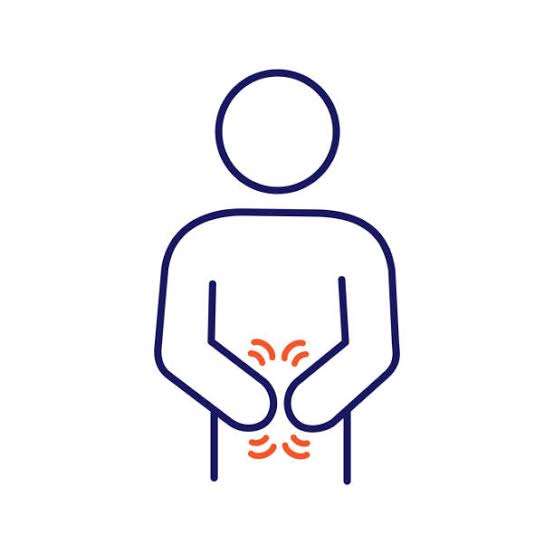
Anemia refers to a deficiency in red blood cells or hemoglobin which impairs oxygen transport leading to fatigue and weakness. It can result from various underlying causes requiring thorough evaluation before treatment begins.
GASTROESOPHAGEAL REFLUX DISEASE (GERD) TREATMENT

This digestive condition occurs when stomach acid flows back into the esophagus causing discomfort known as acid reflux. It may lead to complications if untreated over time.
- Symptoms/Causes: Heartburn sensation after meals or when lying down; triggers include spicy foods, obesity, smoking;
- Diagnosis:
THYROID DISORDER EVALUATION
The thyroid gland affects metabolism through hormone production. Disorders range from hypothyroidism causing low hormone levels to hyperthyroidism with excessive hormones. Both require accurate assessment for effective care.
- Symptoms/Causes: Fatigue, weight changes, temperature sensitivity; commonly due to autoimmune causes like Hashimoto’s or Graves' disease.
- Diagnosis: Blood tests measuring TSH, T3,T4 hormones identify thyroid dysfunction type and severity.
- Treatment/Management: Hypothyroidism treated with hormone replacement; hyperthyroidism managed through medications or sometimes surgery/radioactive iodine therapy.
- Expectations: Most patients achieve normal thyroid function with timely intervention but need ongoing monitoring to avoid relapse or side effects from therapy.
A precise diagnosis followed by individualized treatment ensures symptoms are controlled effectively preserving optimal metabolic balance.
CHRONIC OBSTRUCTIVE PULMONARY DISEASE (COPD) SUPPORT
COPD is a progressive lung disease that makes breathing difficult due to airflow obstruction. It usually results from long-term exposure to irritants such as cigarette smoke or pollution.
- Symptoms/Causes: Chronic cough, shortness of breath, wheezing; primarily caused by smoking and environmental factors.
- Diagnosis: Pulmonary function tests including spirometry confirm airway limitation characteristic of COPD.
- Treatment/Management: Smoking cessation is critical; bronchodilators, steroids, pulmonary rehabilitation assist symptom relief and improve lung function.
- Expectations: While COPD is not curable, appropriate treatment can slow progression and enhance quality of life significantly.
Lifelong care involving medication compliance and avoidance of triggers helps manage symptoms and reduces exacerbations in affected individuals.
TYPE 2 DIABETES MELLITUS CARE

This chronic metabolic disorder is characterized by elevated blood sugar levels due to insulin resistance or insufficient insulin production. It demands ongoing attention to avoid serious health issues.
- Symptoms/Causes: Common signs include increased thirst, frequent urination, fatigue; caused by genetic predisposition and lifestyle factors.
- Diagnosis: Blood tests measuring fasting glucose or HbA1c levels establish the diagnosis.
- Treatment/Management: Focuses on dietary modifications, regular physical activity, oral hypoglycemic agents, or insulin therapy depending on severity.
- Expectations: Early diagnosis and consistent management help prevent complications like neuropathy or kidney damage.
Effective control requires patient education about diet and medication adherence combined with periodic medical follow-up for optimal outcomes.
HYPERTENSION MANAGEMENT
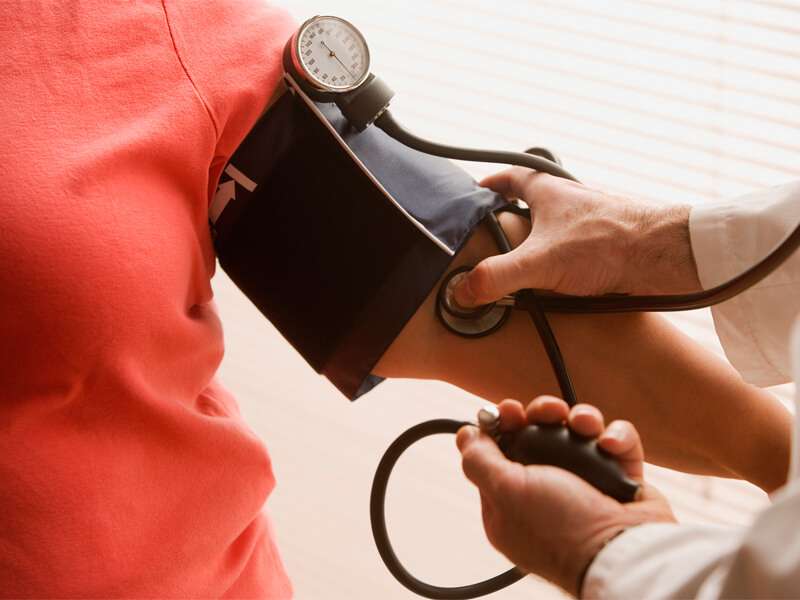
High blood pressure, often called hypertension, is a common condition that increases the risk of heart disease and stroke. It typically develops over many years without noticeable symptoms, making regular monitoring crucial.
- Symptoms/Causes: Often asymptomatic; causes include genetics, poor diet, obesity, and stress.
- Diagnosis: Measured using a sphygmomanometer; multiple readings are necessary to confirm persistent high levels.
- Treatment/Management: Includes lifestyle changes like salt reduction, exercise, weight control, and medications such as ACE inhibitors or beta-blockers if required.
- Expectations: With proper management, blood pressure can be controlled effectively to reduce complications.
A combination of medical therapy and healthy lifestyle adjustments plays a vital role in maintaining blood pressure within safe limits and improving overall cardiovascular health.