
DR Naveen Goyal
About Me
DR Naveen Goyal
MS
Orthopaedic Surgeons
10 Years Experience
Biography
My Clinic
OPD Hours
| Monday | Morning | 10:00 AM | - | 02:00 PM |
| Evening | 06:00 PM | - | 09:00 PM | |
| Tuesday | Morning | 10:00 AM | - | 02:00 PM |
| Evening | 06:00 PM | - | 09:00 PM | |
| Wednesday | Morning | 10:00 AM | - | 02:00 PM |
| Evening | 06:00 PM | - | 09:00 PM | |
| Thursday | Morning | 10:00 AM | - | 02:00 PM |
| Evening | 06:00 PM | - | 09:00 PM | |
| Friday | Morning | 10:00 AM | - | 02:00 PM |
| Evening | 06:00 PM | - | 09:00 PM | |
| Saturday | Morning | 10:00 AM | - | 02:00 PM |
| Evening | 06:00 PM | - | 09:00 PM | |
| Sunday | Morning | 10:00 AM | - | 02:00 PM |
| Evening | 06:00 PM | - | 09:00 PM |
Treatments
Specialised care and treatments offered
MRI INTERPRETATION
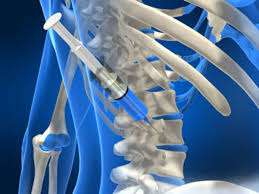
An MRI, or magnetic resonance imaging scan is vital for diagnosing soft tissue injuries within orthopaedic contexts. This non-invasive test provides detailed images crucial for understanding underlying pathologies affecting bones/joints/muscles etc., guiding effective treatments ahead!
- Pain/swelling lingering beyond several days could indicate deeper issues needing evaluation via MRI rather than assuming temporary strains/sprains alone suffice diagnosis needs!
Understanding implications surrounding MRIs empowers patients navigating orthopaedic care journeys efficiently toward improved health outcomes overall moving forward ...
BURSITIS EVALUATION
Bursitis refers to inflammation of the bursae—small fluid-filled sacs that cushion bones near joints. While it can occur anywhere bursae exist in the body, it's most common around shoulders, elbows & hips
- Symptoms range from localized tenderness around joints paired with swelling & acute pain during movement actions involving those joints.
- A thorough assessment occurring through visual examinations followed by diagnostic imaging techniques (like MRI) determines the extent & cause behind bursitis conditions effectively.
- Initial treatments focus on relieving pressure/pain through rest coupled with anti-inflammatory medication prescription while physical therapy aids recovery chances better.
- In some chronic scenarios where other measures do not work effectively enough beyond initial treatments options become available including steroid injections/surgical options if persistent issues arise long-term; agreement about further steps relies heavily upon patient-provider collaboration .
Recognizing early signs serves paramount importance preventing aggravation leading potentially far worse musculoskeletal problems affecting quality living...
TENDON INJURIES

Tendon injuries occur when tendons—the tissues connecting muscles to bones—are strained or torn. They are prevalent among athletes but can affect anyone engaging in repetitive motions.
- Symptoms often consist of localized pain at the site of injury, stiffness, swelling, or muscle weakness during movement actions.
- A comprehensive physical examination along with imaging studies such as ultrasounds or MRIs aids in diagnosing tendon injuries accurately.
- Treatment generally starts conservatively with rest, ice application, compression therapies; severe cases might require surgical repair if conservative measures fail to yield improvement.
- You will likely undergo rehabilitation exercises post-injury to improve strength and range of motion gradually; patience is key during recovery timeframes which vary by severity.
Tendon injuries necessitate prompt attention for optimal recovery outcomes without long-term complications affecting performance levels in physical activities.
OSTEOPOROSIS SCREENING

Osteoporosis is a condition that weakens bones, making them more susceptible to fractures. Early detection through screening can help manage this silent disease effectively.
- The primary indicators include unexpected fractures after minimal trauma and loss of height over time due to vertebral compression fractures.
- This condition is generally diagnosed via bone density tests (DEXA scans), which measure bone mineral density and assess fracture risk.
- If diagnosed with osteoporosis, treatment options may include medications such as bisphosphonates or hormone therapy alongside dietary adjustments rich in calcium and vitamin D.
- Lifestyle modifications such as weight-bearing exercises are also recommended to strengthen bones.
- Regular monitoring through follow-up screening tests helps adapt treatment plans based on individual needs over time.
A proactive approach towards osteoporosis can significantly reduce the risk of fractures later in life.
FRACTURE DIAGNOSIS

A fracture refers to a break in the bone that often results from trauma or stress. Timely diagnosis is crucial for proper healing.
- Common signs include immediate pain at the injury site, swelling, bruising, or difficulty using the affected limb.
- Diagnosis usually involves a thorough clinical examination along with imaging studies like X-rays or CT scans to confirm the fracture type and location.
- Treatment strategies may vary from casting for minor fractures to surgical procedures for complex breaks requiring fixation or alignment.
- The recovery process typically includes rest, rehabilitation exercises to restore strength and flexibility once healing begins.
- Patients should be prepared for follow-up visits to ensure proper healing and functionality of the bone over time.
Understanding your diagnosis is essential for an effective recovery journey following a fracture.
ARTHRITIS

Arthritis is a common condition characterized by inflammation of the joints, which can lead to pain, stiffness, and swelling. It affects people of all ages and can severely impact daily activities.
- Symptoms include joint pain, swelling, reduced range of motion, and sometimes fatigue.
- Diagnosis typically involves a physical examination, medical history review, and imaging tests such as X-rays or MRIs.
- Treatment options may include medications like NSAIDs, corticosteroids, physical therapy, and in severe cases, surgical intervention such as joint replacement.
- Management focuses on relieving symptoms and improving joint function through lifestyle changes and rehabilitation exercises.
- Patients can expect ongoing care that may involve follow-up appointments to monitor progress and adjust treatment plans as needed.
Effective management of arthritis can significantly enhance quality of life and help maintain mobility.