
Dr Nasrin Bharti
About Me
Dr Nasrin Bharti
MS
Orthopaedic Surgeons
10 Years Experience
Biography
My Clinic
OPD Hours
| Monday | Morning | 10:00 AM | - | 02:00 PM |
| Evening | 06:00 PM | - | 09:00 PM | |
| Tuesday | Morning | 10:00 AM | - | 02:00 PM |
| Evening | 06:00 PM | - | 09:00 PM | |
| Wednesday | Morning | 10:00 AM | - | 02:00 PM |
| Evening | 06:00 PM | - | 09:00 PM | |
| Thursday | Morning | 10:00 AM | - | 02:00 PM |
| Evening | 06:00 PM | - | 09:00 PM | |
| Friday | Morning | 10:00 AM | - | 02:00 PM |
| Evening | 06:00 PM | - | 09:00 PM | |
| Saturday | Morning | 10:00 AM | - | 02:00 PM |
| Evening | 06:00 PM | - | 09:00 PM | |
| Sunday | Morning | 10:00 AM | - | 02:00 PM |
| Evening | 06:00 PM | - | 09:00 PM |
Treatments
Specialised care and treatments offered
JOINT PAIN MANAGEMENT
Joint pain is a common complaint that affects individuals across different age groups due to various factors including arthritis inflammatory diseases injuries etc. Understanding its roots helps target effective treatments more efficiently
.- .
- The initial sign involves discomfort upon movement alongside potential swelling warmth tenderness indicating inflammation occurring around affected areas actively disrupting routine. .
- A healthcare provider will assess overall joint health through careful examinations possibly incorporating diagnostic imagery assessing structural integrity while deciphering nature origins behind concerning sensations elicited during normal activity .
- Simplistic management may entail using supportive measures like braces applying heat/cold therapies engaging gentle stretches ultimately contributing restorative practices promoting mobility .
- Pain medication OTC prescriptions play supplementary roles easing distress enabling patients resume normal engagement effortlessly without disruption persistently undermining well-being /Li>.
The importance lies recognizing early signs seeking professional advice promptly yielding favorable outcomes preserving overall functionality enhancing end-user satisfaction experience quality living exponentially treating partners alike encouraging cultivation positive mindsets amidst challenges associated injury experiences systematic protocol fostering holistic views toward optimizing health standards long term effectively amongst concerned community stakeholders professionals practitioners
BACK PAIN MANAGEMENT
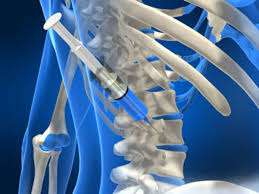
Back pain is a widespread issue impacting individuals' daily lives due to various reasons including poor posture, strain from heavy lifting, or underlying conditions like herniated discs. Addressing back pain involves understanding its origins comprehensively.
- Pain may manifest as dull aches or sharp sensations depending on whether it’s acute or chronic; accompanying symptoms could include stiffness limiting movement capabilities further complicating tasks at home or work environments.
- Diagnosis relies on patient history reviews paired with physical examinations often supported by imaging techniques if underlying causes need exploration such as fractures or arthritis manifestations affecting spinal structures directly impacting nerves .
CARPAL TUNNEL SYNDROME RELIEF

This condition involves compression of the median nerve within the wrist's carpal tunnel. Symptoms arise from repetitive wrist movements commonly associated with tasks like typing or using hand tools.
- Sufferers often report tingling numbness in fingers particularly at night alongside hand weakness affecting grip strength over time.
- A detailed physical examination along with nerve conduction studies assists in establishing an accurate diagnosis.
- Treatment usually emphasizes wrist splinting during sleep and adjusting workstation ergonomics to alleviate pressure on nerves. Anti-inflammatory medications may also assist in managing discomfort and inflammation.
If symptoms persist despite conservative treatment approaches, further evaluation may be warranted because timely intervention can prevent long-term damage to nerve function.
PLANTAR FASCIITIS CARE

Plantar fasciitis is a prevalent cause of heel pain arising from inflammation of the plantar fascia—a thick band of tissue connecting the heel bone to the toes. This condition often stems from factors like excessive exercise or improper footwear.
- Sufferers typically experience sharp heel pain that intensifies with first steps in the morning or after long periods of sitting.
- A clinical assessment combined with a review of activity levels aids in diagnosing this condition. Often imaging studies are not necessary unless other issues are suspected.
- Management focuses on rest, ice application for swelling reduction, stretching exercises for the calf and foot muscles, and use of supportive footwear or orthotics.
- Corticosteroid injections can provide temporary relief for persistent discomfort if conservative measures fail.
Catching plantar fasciitis early allows for effective treatment strategies that promote healing while minimizing disruption to daily activities.
TENDONITIS TREATMENT

Tendonitis refers to the inflammation or irritation of a tendon, usually caused by overuse or repetitive motion. It commonly affects areas such as shoulders, elbows, knees, and heels.
- The condition manifests as localized pain and tenderness around the affected tendon, along with stiffness particularly in the morning or after prolonged inactivity.
- A thorough clinical examination coupled with medical history review helps confirm the diagnosis. Imaging tests like ultrasound may also aid in assessment.
- Treatment strategies focus on rest and modification of activities to minimize strain on the tendon. Ice application can alleviate swelling and discomfort.
- Physical therapy plays a crucial role in strengthening surrounding muscles and restoring mobility.
- In more persistent cases, corticosteroid injections might be considered for relief.
With early intervention and appropriate care protocols, most individuals with tendonitis can make a full recovery.
OSTEOARTHRITIS MANAGEMENT

Osteoarthritis is a common degenerative joint disease that affects millions of people, leading to pain and reduced mobility. It occurs when the cartilage that cushions joints deteriorates, causing bones to rub against each other.
- Symptoms include joint pain, stiffness, swelling, and decreased range of motion. These symptoms often worsen with activity.
- This condition can be diagnosed through physical examinations, medical history assessments, and imaging techniques like X-rays or MRIs.
- Non-surgical management options include physical therapy, lifestyle modifications such as weight loss and low-impact exercises, and medications for pain relief.
- In some cases, braces or orthotics may be recommended to support affected joints.
- It's essential to maintain an active lifestyle; gentle exercises can help improve joint function and reduce symptoms.
A comprehensive approach tailored to individual needs can significantly enhance quality of life for those managing osteoarthritis.