
Dr Naresh Garg
About Me
Dr Naresh Garg
MBBS
General Physician
10 Years Experience
Biography
My Clinic
OPD Hours
| Monday | Morning | 10:00 AM | - | 02:00 PM |
| Evening | 06:00 PM | - | 09:00 PM | |
| Tuesday | Morning | 10:00 AM | - | 02:00 PM |
| Evening | 06:00 PM | - | 09:00 PM | |
| Wednesday | Morning | 10:00 AM | - | 02:00 PM |
| Evening | 06:00 PM | - | 09:00 PM | |
| Thursday | Morning | 10:00 AM | - | 02:00 PM |
| Evening | 06:00 PM | - | 09:00 PM | |
| Friday | Morning | 10:00 AM | - | 02:00 PM |
| Evening | 06:00 PM | - | 09:00 PM | |
| Saturday | Morning | 10:00 AM | - | 02:00 PM |
| Evening | 06:00 PM | - | 09:00 PM | |
| Sunday | Morning | 10:00 AM | - | 02:00 PM |
| Evening | 06:00 PM | - | 09:00 PM |
Treatments
Specialised care and treatments offered
CHOLESTEROL MONITORING
Mildly elevated cholesterol often goes unnoticed until significant issues arise. Regular cholesterol monitoring is crucial in maintaining cardiovascular health by detecting any irregularities early on before they progress into more serious conditions such as heart disease。
- Understanding Cholesterol Levels: There are two primary types: LDL (bad cholesterol) which contributes directly towards arterial blockages whilst HDL (good cholesterol) helps remove fat from bloodstream thus supporting good heart function .
- Testing Methods: Routine tests involve simple fasting blood draws whereby lipid panels reveal total cholesterol along with LDL & HDL levels indicating general cardiovascular status .
- Management Techniques: Alterations including nutritional shifts toward healthier fats paired alongside increased physical activity remain cornerstones followed potentially with medications when lifestyle changes prove insufficient .
Caring for one’s heart today prevents greater struggles tomorrow—don’t overlook how monitoring these levels forms part integral aspect holistic healthcare journey!
WEIGHT MANAGEMENT PROGRAMS

An effective weight management program focuses on achieving sustainable weight loss through personalized plans that take into account an individual's unique circumstances. Weight issues can lead not only to health problems but also impact self-esteem and overall quality of life。
- Common Weight Issues: Individuals facing weight challenges might experience related conditions such as high blood pressure or type 2 diabetes which further complicate their health status.
- Assessment: A comprehensive evaluation assesses dietary habits , physical activity levels ,and psychological readiness which are critical indicators for success.
- Management Approaches: Strategies usually encompass nutrition advice , exercise regimens , behavioral therapy where needed ,and support groups designed specifically for weight loss support .
- Anticipated Outcomes: Individuals who adhere actively often observe improvements not just physically but also mentally enhancing their day-to-day functioning .
If you're ready for change , consulting about tailored weight management options could pave the way towards long-lasting results .
PREVENTIVE HEALTH CHECK-UPS
A preventive health check-up plays a vital role in detecting potential health risks before they become serious issues. Regular check-ups allow for early detection of conditions such as heart disease or cancer and promote overall wellness.
- The Importance: Preventive check-ups can significantly reduce the risk of long-term health complications by identifying problems while they are still manageable or reversible.
- Components: These visits typically involve a review of medical history, physical examinations including cholesterol checks and screenings based on age/gender recommendations tailored specifically for individual needs.
- Treatment Recommendations: Based on findings during the examination; guidance may include lifestyle changes like diet improvement or the initiation of medical treatment where necessary.
This proactive stance not only enhances personal well-being but also contributes positively to community health outcomes.
ALLERGY TESTING
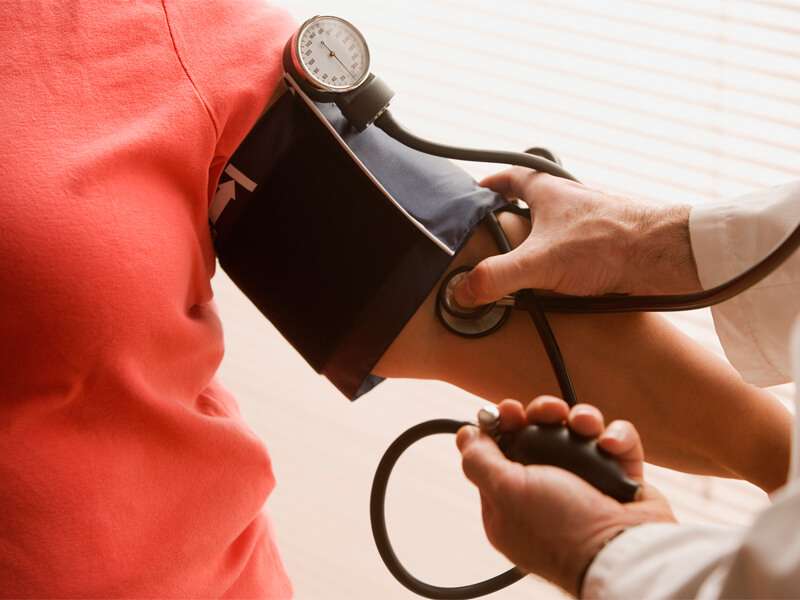
Allergies are common and can significantly affect one's quality of life. Allergy testing helps identify specific allergens causing reactions so that effective avoidance strategies can be put in place.
- Symptoms: Symptoms of allergies vary widely but may include sneezing, itching, hives, or even difficulty breathing in severe cases.
- Diagnosis: Allergy testing usually involves skin prick tests or blood tests that measure the immune response to suspected allergens.
- Treatment Strategies: Treatment may involve allergen avoidance strategies as well as medications like antihistamines or corticosteroids; in some cases, allergy shots (immunotherapy) may be recommended.
- You Can Expect: Identifying your triggers will allow for better management of symptoms and improve daily living by reducing exposure to known allergens.
The results from allergy testing can be empowering in managing your environment effectively and minimizing allergic reactions.
DIABETES SCREENING

Screening for diabetes is an essential step in identifying individuals at risk for this chronic condition. Early detection allows for timely management and helps prevent complications associated with diabetes.
- Symptoms: Symptoms often include increased thirst, frequent urination, fatigue, and blurred vision. However, many people may not experience noticeable signs until the condition progresses.
- Diagnosis: Blood tests such as fasting plasma glucose or HbA1c tests are used to diagnose diabetes. Routine screening is recommended for adults over 45 or younger adults with risk factors.
- Treatment Options: Management strategies typically include dietary changes, physical activity enhancements, and sometimes insulin or oral medications depending on the type of diabetes diagnosed.
- What to Expect: With proper management strategies in place, individuals can live healthy lives while controlling their blood sugar levels effectively.
If you have concerns about diabetes or risk factors related to it, consider scheduling a screening appointment promptly.
HYPERTENSION MANAGEMENT

Hypertension, commonly known as high blood pressure, is a condition that can lead to serious health problems if left unmanaged. It is often referred to as a 'silent killer' due to its lack of obvious symptoms. Understanding and managing hypertension is crucial for maintaining overall health.
- Symptoms and Causes: Many individuals with hypertension experience no symptoms. When symptoms do occur, they may include headaches, shortness of breath, or nosebleeds. Risk factors include obesity, sedentary lifestyle, high salt intake, and family history.
- Diagnosis: Hypertension is diagnosed through regular blood pressure monitoring. A healthcare provider will measure your blood pressure at various times to determine if you consistently have elevated readings.
- Treatment Options: Management includes lifestyle changes such as diet modification, regular exercise, and stress reduction. In some cases, medication may be prescribed to help control blood pressure levels.
- What to Expect: Regular monitoring and adherence to prescribed treatments can significantly lower your risk of heart disease and stroke. Patients are encouraged to maintain follow-up appointments for ongoing assessment.
A proactive approach to managing hypertension can enhance your quality of life and reduce the risk of complications.