
Dr Narayan Rastogi
About Me
Dr Narayan Rastogi
MBBS
General Physician
10 Years Experience
Biography
My Clinic
OPD Hours
| Monday | Morning | 10:00 AM | - | 02:00 PM |
| Evening | 06:00 PM | - | 09:00 PM | |
| Tuesday | Morning | 10:00 AM | - | 02:00 PM |
| Evening | 06:00 PM | - | 09:00 PM | |
| Wednesday | Morning | 10:00 AM | - | 02:00 PM |
| Evening | 06:00 PM | - | 09:00 PM | |
| Thursday | Morning | 10:00 AM | - | 02:00 PM |
| Evening | 06:00 PM | - | 09:00 PM | |
| Friday | Morning | 10:00 AM | - | 02:00 PM |
| Evening | 06:00 PM | - | 09:00 PM | |
| Saturday | Morning | 10:00 AM | - | 02:00 PM |
| Evening | 06:00 PM | - | 09:00 PM | |
| Sunday | Morning | 10:00 AM | - | 02:00 PM |
| Evening | 06:00 PM | - | 09:00 PM |
Treatments
Specialised care and treatments offered
PREVENTIVE HEALTH SCREENINGS
Taking charge of your health through preventive screenings is vital for early detection of potential medical conditions. These screenings help identify risks before they develop into significant problems。
- What they screen for: Preventive screenings typically include checks for high blood pressure,diabetes,cholesterol level assessments,and cancer screenings如 mammograms 和 colonoscopies 。
- Benefits: Early identification leads to timely interventions,which considerably increase survival rates并提高患者健康水平 。
- Recommended schedule: Depending on personal history ,age ,和 risk factors ,frequency will differ across individual patients .
A proactive approach fosters healthier lives by emphasizing the significance of regular screening sessions .
GASTROINTESTINAL DISORDERS MANAGEMENT

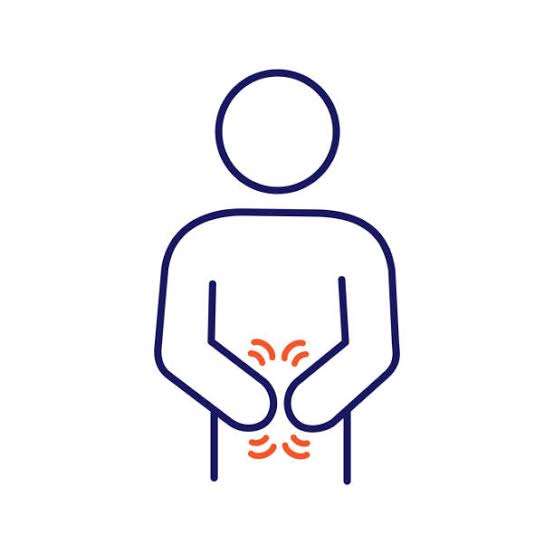
Diverse gastrointestinal disorders affect digestive health. These range from acid reflux disease to inflammatory bowel diseases that require accurate diagnosis and targeted treatment approaches.
- Main symptoms:Bloating, abdominal pain, irregular bowel movements, or persistent heartburn can indicate underlying gastrointestinal issues.
RESPIRATORY ILLNESS EVALUATION

The assessment of respiratory illnesses encompasses a broad spectrum of conditions affecting breathing. These evaluations are critical in diagnosing common ailments such as asthma or chronic obstructive pulmonary disease (COPD).
- Main symptoms:Coughing, wheezing, shortness of breath, and chest tightness are common indicators of respiratory distress.
- Causes: Allergens, pollutants from the environment , smoking habits , or infections may contribute significantly to respiratory conditions .
- Diagnosis: Pulmonary function tests , imaging studies like X-rays , along with patient history assessments guide clinicians in reaching an accurate diagnosis .
- Treatment options: Can range from inhalers , bronchodilators , anti-inflammatory medications , to pulmonary rehabilitation programs tailored according to specific needs .
An early diagnosis leads to more effective management plans for res piratory patients.
CHOLESTEROL MANAGEMENT
Elevated cholesterol levels can raise the risk of cardiovascular disease. It's vital for individuals to understand their cholesterol profile to maintain heart health effectively.
- Symptoms: High cholesterol usually has no symptoms itself but can lead to serious issues such as chest pain or heart attacks over time.
- Main causes: Factors include poor diet high in saturated fats, sedentary lifestyle, smoking, and genetic predisposition.
- C diagnosis procedure:A lipid panel blood test assesses total cholesterol levels including LDL (bad) and HDL (good) cholesterol levels.
- Treatment methods:An emphasis on dietary changes combined with regular exercise is crucial; medications like statins may also be indicated depending on individual risk factors.
An informed approach will ensure better management of cholesterol levels and overall cardiovascular health.
DIABETES CARE

Diabetes is a chronic condition characterized by elevated glucose levels in the blood. There are two main types: Type 1 and Type 2 diabetes, both requiring careful management for optimal health outcomes.
- Symptoms: Common signs include excessive thirst, frequent urination, fatigue, and blurred vision.
- Causes: Type 1 diabetes results from an autoimmune reaction; Type 2 is often linked to lifestyle choices and genetic factors.
- Diagnosis: Blood tests measuring glucose levels or A1C tests help confirm the diagnosis.
- Treatment strategies: Management includes monitoring sugar levels, adopting a balanced diet, increasing physical activity, and when appropriate, insulin therapy or medications.
- Outlook: With consistent care and lifestyle modifications, individuals with diabetes can achieve metabolic control and minimize the risk of complications.
A proactive approach is key to living well with diabetes.
HYPERTENSION MANAGEMENT
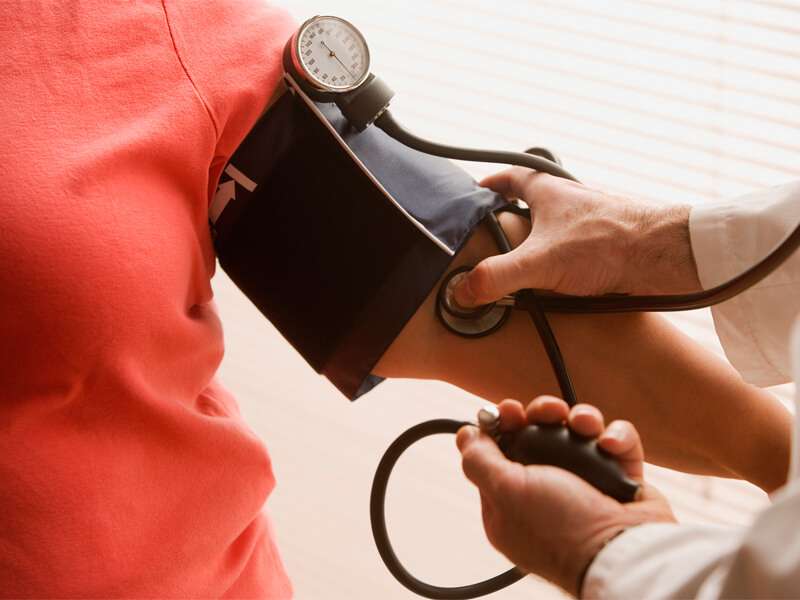
Hypertension, or high blood pressure, is a prevalent condition that can lead to serious health complications if left untreated. It often develops over many years and can be influenced by various lifestyle factors.
- Symptoms: Frequently asymptomatic, it may present as headaches or shortness of breath in advanced stages.
- Causes: Contributing factors include obesity, poor diet, lack of physical activity, and genetic predisposition.
- Diagnosis: Blood pressure readings are taken using a sphygmomanometer; additional tests may be performed to rule out underlying conditions.
- Treatment options: Lifestyle changes such as improved diet and exercise are essential; medications may also be prescribed when necessary.
- What to expect: Regular monitoring is crucial for managing hypertension effectively and preventing complications like heart disease.
With proper management, individuals can lead healthy lives despite having hypertension.