
Dr Narain Rupani
About Me
Dr Narain Rupani
MS
Orthopaedic Surgeons
10 Years Experience
Biography
My Clinic
OPD Hours
| Monday | Morning | 10:00 AM | - | 02:00 PM |
| Evening | 06:00 PM | - | 09:00 PM | |
| Tuesday | Morning | 10:00 AM | - | 02:00 PM |
| Evening | 06:00 PM | - | 09:00 PM | |
| Wednesday | Morning | 10:00 AM | - | 02:00 PM |
| Evening | 06:00 PM | - | 09:00 PM | |
| Thursday | Morning | 10:00 AM | - | 02:00 PM |
| Evening | 06:00 PM | - | 09:00 PM | |
| Friday | Morning | 10:00 AM | - | 02:00 PM |
| Evening | 06:00 PM | - | 09:00 PM | |
| Saturday | Morning | 10:00 AM | - | 02:00 PM |
| Evening | 06:00 PM | - | 09:00 PM | |
| Sunday | Morning | 10:00 AM | - | 02:00 PM |
| Evening | 06:00 PM | - | 09:00 PM |
Treatments
Specialised care and treatments offered
PLANTAR FASCIITIS
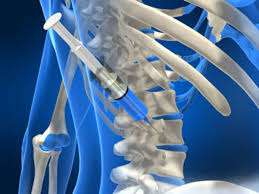
This common foot condition results from inflammation of plantar fascia—the band connecting heel bone at sole bottom while supporting its arch structure overall stability across feet hence vitality critical daily mobility engagement activity levels sustained adequately long-term therefore diligent attention must always remain prioritized therein!
.- < strongPossible indicators include sharp stabbing pains develop initiating first steps morning prioritize heel others burdensome dull ache each extended periods interspersed otherwise throughout day exhibit discomfort variability noted perhaps indicating reliance improper foot gear combined subsequently exacerbated habits such persist longer hence more pronounced complaints arise chronic cases untreated avoiding prolonged standing periods favors success outcome here too maximizes therapeutic interventions available prescribed accordingly routinely helps ease tension afflicting affected areas
TENNIS ELBOW
Tennis elbow is characterized by inflammation of tendons on the outer part of the elbow due primarily to repetitive motions. Despite its name suggesting a connection with tennis players specifically; anyone who performs similar wrist-turning motions could develop this condition too!
- The hallmark symptom includes: Pain radiating from outside elbow towards forearm while gripping objects—becoming progressively worse during repeated arm motions—causing considerable discomfort beyond simply participating in sports.
Factors contributing include repetitive jobs involving gripping actions paired alongside age-related decline & muscular imbalances exacerbating tendon health further complicating matters potentially leading towards chronic issues if unattended!
- Diagnosis protocols entail thorough medical evaluations alongside specific tests ensuring appropriate identification thereafter making following therapeutic strategy clear-cut!
- Non-surgical remedies consist highly surrounding modifying behaviors regular physiotherapy sessions focusing strengthening stabilization techniques ultimately enhancing recovery potential back towards functional capacity once again enjoyed wholeheartedly!
Symptoms generally diminish considerably post-intervention though long-term adherence practice improvement essential toward precipitating favorable outcomes achieving successful prognosis ahead thus allowing activities performed before onset return fully free without interruption whatsoever!
SHIN SPLINTS

'Shin splints' refer to pain along the shinbone (tibia) usually associated with excessive exercise. It commonly affects runners but can occur with any activity that puts stress on the leg muscles and bones.
- The primary symptom: Tenderness along the inner shin region often worsens with activity , leading those affected to modify their exercise routines out of discomfort.
- Causative factors: Overuse from high-impact activities without adequate conditioning may give rise to this condition.
- Diagnosis considerations: A detailed clinical evaluation alongside activity history assists healthcare providers in determining appropriate interventions.
- Treatment options: Resting from aggravating activities coupled with proper footwear correction usually address underlying issues; physical therapy might also aid recovery.
- What patients can expect: Symptoms generally resolve with proper rest and incremental return-to-activity plans provided by health professionals.
If you're experiencing discomfort during physical activities centered around your legs’ movement patterns—seeking assessment sooner than later could prevent worsening conditions down the line!
HIP FLEXOR STRAIN

A hip flexor strain occurs when one or more of the hip flexor muscles become overstretched or torn. This is commonly seen in athletes but can affect anyone engaging in activities requiring sudden movements.
- Main symptoms: Sharp pain in the front hip area during movement, swelling or bruising over the affected muscle group.
- Causative factors: Sudden movements during sports or activities such as running can lead to strains due to overstretching these important muscles.
- How it's diagnosed: A clinician typically assesses physical signs by examining muscle strength alongside imaging studies if necessary for confirmation of severity.
- Treatment approaches: Initial management focuses on rest, ice application for swelling control, followed by progressive rehabilitation exercises aimed at restoring flexibility and strength.
- Your expectations post-treatment: Most individuals can expect a significant reduction in pain levels within weeks; however adherence to rehabilitation protocols is crucial for full recovery.
If you suspect a strain after vigorous activity or sports involvement, seek professional advice promptly for tailored care recommendations.
ROTATOR CUFF INJURY

A rotator cuff injury refers to damage to the group of muscles and tendons that stabilize the shoulder. This condition can result from acute injuries or gradual wear-and-tear over time.
- Symptoms: Pain in the shoulder area, weakness when lifting or rotating the arm, and limited range of motion.
- Common causes: Activities involving repetitive overhead movements or trauma to the shoulder are often responsible for this injury.
- Diagnosis methods: Diagnosis is made through a combination of clinical history review and imaging techniques such as ultrasound or MRI scans.
- Treatment options: Non-surgical treatments include physical therapy focused on strengthening exercises and anti-inflammatory medications. Surgical repair may be indicated if conservative measures fail.
- What to expect: Recovery depends on the severity; it often requires rehabilitation but many individuals return to their normal activities following treatment with effective rehabilitation plans in place.
If you've suffered an injury affecting your shoulder's function, consulting a specialist early could enhance recovery prospects.
KNEE ARTHRITIS

Knee arthritis is a common degenerative condition that affects many individuals, particularly as they age. It occurs when the cartilage that cushions the knee joint deteriorates, leading to pain and reduced mobility.
- Symptoms: Pain in and around the knee, stiffness, swelling, and decreased range of motion.
- Causes: Age, previous injuries, obesity, and genetic factors can all contribute to the development of knee arthritis.
- Diagnosis: Typically involves physical examinations, imaging tests like X-rays or MRIs, and assessments of symptoms.
- Treatment options: Management may include physical therapy, medications for pain relief, injections such as corticosteroids or hyaluronic acid, and in severe cases, surgical interventions like knee replacement.
- Expectations: The condition can be managed effectively with appropriate care strategies; however, ongoing monitoring and adjustments to treatment may be necessary.
If you experience persistent symptoms related to your knees, it’s advisable to seek evaluation early for optimal management.