
Dr Nand Kishor Tr
About Me
Dr Nand Kishor Tr
MBBS
Dermatologist
10 Years Experience
Biography
My Clinic
OPD Hours
| Monday | Morning | 10:00 AM | - | 02:00 PM |
| Evening | 06:00 PM | - | 09:00 PM | |
| Tuesday | Morning | 10:00 AM | - | 02:00 PM |
| Evening | 06:00 PM | - | 09:00 PM | |
| Wednesday | Morning | 10:00 AM | - | 02:00 PM |
| Evening | 06:00 PM | - | 09:00 PM | |
| Thursday | Morning | 10:00 AM | - | 02:00 PM |
| Evening | 06:00 PM | - | 09:00 PM | |
| Friday | Morning | 10:00 AM | - | 02:00 PM |
| Evening | 06:00 PM | - | 09:00 PM | |
| Saturday | Morning | 10:00 AM | - | 02:00 PM |
| Evening | 06:00 PM | - | 09:00 PM | |
| Sunday | Morning | 10:00 AM | - | 02:00 PM |
| Evening | 06:00 PM | - | 09:00 PM |
Treatments
Specialised care and treatments offered
HYPERHIDROSIS NON-SURGICAL MANAGEMENT
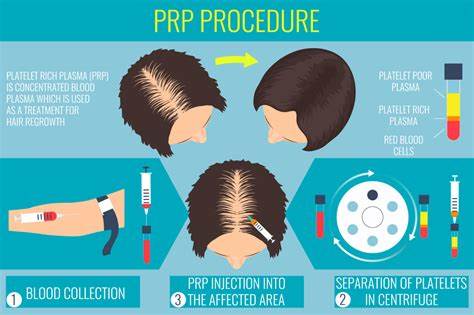
An excessive sweating disorder that goes beyond what’s necessary for thermoregulation. It commonly affects palms, soles, underarms causing social discomfort or limitation in daily activities.
- Etiology: Idiopathic forms predominate though secondary causes include medications or underlying diseases requiring investigation if suspected.
- Presentation features: Noticeably wet palms/feet/axillae disproportionate to activity level often worsening during stress or heat exposure.
- Diagnosis approach: Primarily based on patient history supported by iodine-starch test confirming localized sweating intensity when needed.
- Treatment focuses: (1) Topical antiperspirants containing aluminum chloride offer first-line relief,(2) oral medications such as anticholinergics may help,(3) botulinum toxin injections reduce sweat gland activity temporarily,(4) stress reduction techniques complement physical interventions.
- Outlook:
Patients generally experience improved comfort allowing resumption of normal social/work functions when adhering closely to therapeutic measures adjusting them accordingly over time.
As hyperhidrosis does not typically resolve spontaneously without treatment effective symptom control chiefly depends on combining medical therapies alongside lifestyle modifications tailored individually.
ROSACEA SYMPTOM CONTROL
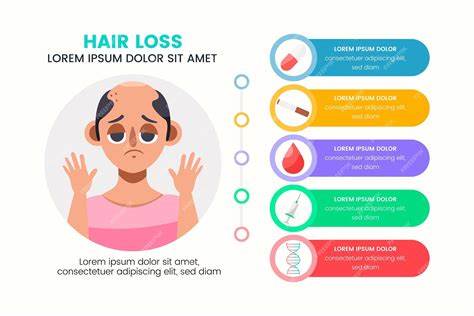
A chronic inflammatory disorder primarily affecting facial skin leading to redness visible mostly on cheeks and nose along with occasional papules or pustules. The course may vary widely among sufferers.
- Underlying causes: Exact causes remain unclear but involves vascular hyperreactivity combined with inflammatory pathways triggered by environmental or internal factors.
- Common manifestations: Persistent facial flushing/redness coupled with small red bumps resembling acne without comedones; possible eye irritation also occurs.
- Diagnostic criteria: Clinical diagnosis examining characteristic signs supported occasionally by dermoscopy evaluation.
- Therapeutic interventions: Emphasize avoiding known triggers such as sun exposure or spicy foods; topical metronidazole or azelaic acid reduces inflammation while oral antibiotics are reserved for moderate/severe cases.
- Patient guidance: Regular use of gentle cleansers/moisturizers designed for sensitive skin plus sun protection substantially helps manage symptoms preventing exacerbations.
Understanding this condition’s fluctuating nature aids patients in adjusting lifestyle habits aligned with medical treatment plans fostering long-term relief from rosacea symptoms effectively.
VITILIGO SUPPORTIVE CARE
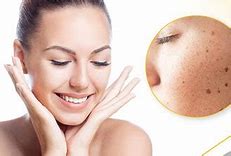
A condition that causes loss of pigmentation forming white patches on the skin due to destruction of pigment-producing cells. It affects individuals differently depending on extent and location involved.
- Causation theories: Thought to be an autoimmune disorder where immune system attacks melanocytes responsible for color production in the skin.
- Telltale signs: Well-demarcated depigmented spots often symmetrically distributed over hands, face or other areas exposed to sunlight. Differential diagnosis involves clinical examination confirmed through Wood's lamp inspection highlighting affected regions distinctly.
- Treatment alternatives: Aim at halting progression using topical immunomodulators or corticosteroids; phototherapy exposure protocols help induce repigmentation; camouflage cosmetics enhance appearance while psychological support aids coping.
- Prognosis: Condition varies significantly between patients though early intervention improves chances of repigmentation success.
While vitiligo currently lacks definitive cure options, combining supportive treatments with lifestyle adaptations empowers better management outcomes both physically and emotionally.
PSORIASIS LIFESTYLE MANAGEMENT
This persistent autoimmune condition causes rapid buildup of skin cells leading to thickened scales and inflammation. Psoriasis frequently appears on elbows, knees, scalp but can affect any area.
- Causative factors: Immune system dysregulation combined with genetic elements triggers accelerated cell turnover resulting in plaques.
- Main symptoms: Raised red patches covered with silvery-white scales accompanied by itching or tenderness.
- Diagnostic methods: Usually diagnosed visually by a dermatologist; biopsy in rare unclear cases confirms diagnosis.
- Treatment focus: Includes moisturizing regularly to reduce scaling, using medicated creams like corticosteroids or vitamin D analogs; phototherapy may be recommended; stress management plays a crucial supporting role.
- User expectations: Psoriasis tends to follow cycles of remission and relapses but proper care can significantly alleviate severity and duration of episodes.
Lifestyle modifications paired with prescribed therapies offer patients better symptom control balancing overall well-being alongside skin health improvements.
ECZEMA (ATOPIC DERMATITIS) CARE
Eczema is a chronic inflammatory skin condition characterized by red, itchy patches that can appear anywhere on the body. It often flares periodically and impacts quality of life due to discomfort.
- Causes: Combination of genetic predisposition and environmental factors triggers immune system reactions causing skin inflammation.
- Symptoms: Itchy dry skin with redness, scaling, sometimes blistering or oozing in severe cases.
- Diagnosis: Primarily clinical evaluation supported by patient history; allergy testing may assist in identifying triggers.
- Treatment strategies: Focus on regular moisturizing with emollients, topical corticosteroids for flare control, avoiding irritants or allergens, and lifestyle adjustments to reduce scratching.
- Management outlook: Though there is no permanent cure yet, consistent treatment helps prevent flare-ups and maintain healthy skin barrier function.
A proactive approach with skincare routines tailored to individual needs is essential in controlling eczema symptoms effectively over time.
ACNE VULGARIS MANAGEMENT
Acne is a common skin condition affecting many individuals, often during adolescence but can persist into adulthood. It results in the formation of pimples, blackheads, and sometimes cysts, mainly on the face, back, and chest.
- Causes: Acne develops due to clogged pores from excess oil production, dead skin cells, and bacteria.
- Symptoms: Presence of whiteheads, blackheads, inflamed red bumps, and possibly painful cysts.
- Diagnosis: Visual examination by a dermatologist is usually sufficient; severity assessment guides treatment.
- Treatment options: Include topical creams (like retinoids and benzoyl peroxide), oral medications (antibiotics or hormonal therapy), and lifestyle changes such as gentle skincare routines.
- Expectations: Treatments may take weeks to months for noticeable improvement; adherence to prescribed regimens is important for best results.
With proper care and medical support, acne symptoms can be well-managed to minimize scarring and improve skin appearance.