
Dr Namrata Shriva
About Me
Dr Namrata Shriva
MBBS
Cardiologist
10 Years Experience
Biography
My Clinic
OPD Hours
| Monday | Morning | 10:00 AM | - | 02:00 PM |
| Evening | 06:00 PM | - | 09:00 PM | |
| Tuesday | Morning | 10:00 AM | - | 02:00 PM |
| Evening | 06:00 PM | - | 09:00 PM | |
| Wednesday | Morning | 10:00 AM | - | 02:00 PM |
| Evening | 06:00 PM | - | 09:00 PM | |
| Thursday | Morning | 10:00 AM | - | 02:00 PM |
| Evening | 06:00 PM | - | 09:00 PM | |
| Friday | Morning | 10:00 AM | - | 02:00 PM |
| Evening | 06:00 PM | - | 09:00 PM | |
| Saturday | Morning | 10:00 AM | - | 02:00 PM |
| Evening | 06:00 PM | - | 09:00 PM | |
| Sunday | Morning | 10:00 AM | - | 02:00 PM |
| Evening | 06:00 PM | - | 09:00 PM |
Treatments
Specialised care and treatments offered
PREVENTIVE CARDIOLOGY COUNSELING

A proactive approach aimed at reducing cardiovascular disease onset through education about healthy habits tailored individually is invaluable in lifelong wellness maintenance. < strong >Focus Areas : Diet optimization emphasizing whole grains , balanced fats ; stress management techniques ; encouragement towards quitting tobacco products ; regular physical activity incorporation . < li > < strong >Risk Assessment : Evaluation of family history , existing conditions such as diabetes , lipid profiles guides personalized recommendations . < li > < strong >Implementation Strategies : Goal setting with behavioral coaching helps sustain motivation leading to successful habit changes over time . < li > < strong >Expected Outcomes : Consistent engagement results in reduced incidence rates of arterial disease reducing overall morbidity from cardiac events . < p >Long-term commitment through preventive counseling substantially contributes towards lowering cardiovascular burdens within populations at risk .
HEART FAILURE LIFESTYLE MANAGEMENT
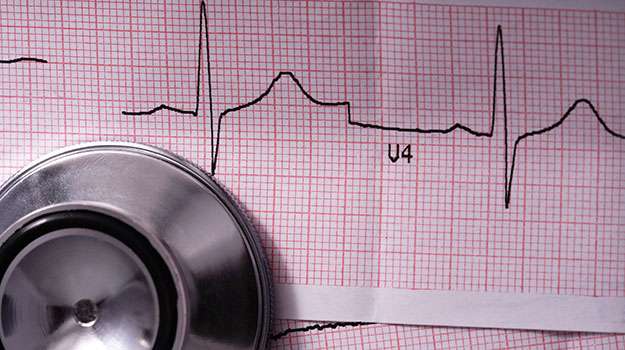
This chronic condition occurs when the heart cannot pump efficiently enough to meet the body’s needs. Lifestyle changes are fundamental in managing symptoms and enhancing life quality for those diagnosed with heart failure.
- Causation & Symptoms: Common causes include coronary artery disease or longstanding hypertension; fatigue, swelling in legs/abdomen are typical indicators.
- Evidential Diagnosis: Echocardiograms evaluate cardiac function alongside blood tests assessing biomarkers like BNP levels supporting diagnosis confirmation.
- < strong > Non-Pharmacological Management : Sodium restriction in diet , fluid intake control , daily weight monitoring , moderate exercise — all crucial parts of care regimen .< li >< strong > Expected Benefits : Adherence reduces hospital admissions whilst improving symptom control enabling better day-to-day functioning .< p >Incorporating these measures under professional supervision provides significant support alongside any prescribed medical treatments for heart failure patients .
ATRIAL FIBRILLATION MANAGEMENT
Atrial fibrillation (AF) is an irregular heartbeat that can increase stroke risk if left untreated. Proper management aims at controlling rhythm and preventing complications associated with AF.
- Pertinent Symptoms & Causes: Palpitations, fatigue or shortness of breath; causes include hypertension, heart valve issues or thyroid disorders.
- Diagnostic Evaluation: Electrocardiogram (ECG) captures irregular rhythms; Holter monitoring may be used for extended observation.
- Treatment Options: Rate control through medications like beta-blockers; anticoagulation therapy prevents clots; lifestyle moderation also plays an important role.
- Treatment Goals & Prognosis: Achieving stable heart rate/rhythm substantially lowers stroke occurrence while improving quality of life in patients affected by AF.
The focus remains on tailored treatments combining medical therapy with patient education to ensure safe outcomes in atrial fibrillation care.
CORONARY ARTERY DISEASE (CAD) RISK REDUCTION
The narrowing or blockage of coronary arteries can restrict blood flow to the heart muscle causing serious conditions like angina or myocardial infarction. Reducing risk factors is essential for prevention.
- Causative Factors: Smoking, high blood pressure, diabetes mellitus, elevated cholesterol, and obesity increase CAD risk markedly.
- Diagnostic Tools: Stress tests and coronary angiography help assess artery function and detect blockages early.
- Lifestyle Modifications: Quitting smoking, balanced nutrition focused on fruits and vegetables, aerobic exercise routines, and weight reduction are primary strategies.
- Therapeutic Expectations: Combined lifestyle adjustments with medications when indicated lead to improved heart function and fewer cardiac events.
A proactive approach addressing modifiable risks offers substantial protection against the development or worsening of coronary artery disease.
CHOLESTEROL CONTROL
Elevated cholesterol levels contribute significantly to heart disease by promoting plaque buildup in arteries. Managing cholesterol is vital for maintaining cardiovascular health.
- Symptoms and Causes: High cholesterol itself usually doesn't present symptoms; poor diet, sedentary lifestyle, and hereditary factors often play a role.
- Diagnostic Methods: Blood tests measuring LDL, HDL, and triglyceride levels provide comprehensive cholesterol profiling.
- Treatment Approaches: Dietary modifications focusing on low saturated fats, increased fiber intake, physical activity, and medications like statins may be recommended.
- Patient Outcomes: Effective control helps prevent atherosclerosis progression and reduces heart attack risk.
An emphasis on regular screening combined with healthy habits forms the cornerstone of cholesterol management for cardiovascular well-being.
HYPERTENSION MANAGEMENT
High blood pressure, or hypertension, is a common cardiovascular condition that requires ongoing attention to prevent serious complications. Understanding and controlling blood pressure can significantly reduce risks such as stroke and heart attack.
- Symptoms and Causes: Often called the 'silent killer', hypertension may not show obvious symptoms but can be influenced by genetics, diet, stress, and inactivity.
- Diagnosis: Regular monitoring with a sphygmomanometer during medical visits helps accurately identify elevated blood pressure levels.
- Treatment and Management: Lifestyle changes like reduced salt intake, regular physical exercise, weight management, and medication when necessary are key interventions.
- What to Expect: With consistent management, blood pressure can be maintained within safe levels to minimize long-term health risks.
Proactive care and adherence to treatment plans empower patients to live healthier lives while minimizing cardiovascular complications linked to uncontrolled hypertension.