
Dr Namita Physiotherapist
About Me
Dr Namita Physiotherapist
B.P.T
Physiotherapist
10 Years Experience
Biography
My Clinic
OPD Hours
| Monday | Morning | 10:00 AM | - | 02:00 PM |
| Evening | 06:00 PM | - | 09:00 PM | |
| Tuesday | Morning | 10:00 AM | - | 02:00 PM |
| Evening | 06:00 PM | - | 09:00 PM | |
| Wednesday | Morning | 10:00 AM | - | 02:00 PM |
| Evening | 06:00 PM | - | 09:00 PM | |
| Thursday | Morning | 10:00 AM | - | 02:00 PM |
| Evening | 06:00 PM | - | 09:00 PM | |
| Friday | Morning | 10:00 AM | - | 02:00 PM |
| Evening | 06:00 PM | - | 09:00 PM | |
| Saturday | Morning | 10:00 AM | - | 02:00 PM |
| Evening | 06:00 PM | - | 09:00 PM | |
| Sunday | Morning | 10:00 AM | - | 02:00 PM |
| Evening | 06:00 PM | - | 09:00 PM |
Treatments
Specialised care and treatments offered
ELECTRICAL STIMULATION THERAPY
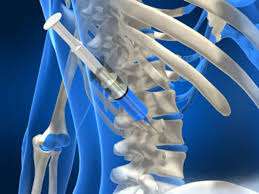
This technique employs electrical currents delivered via electrodes placed on the skin's surface. Electrical stimulation therapy helps alleviate pain while enhancing muscle recovery after injury or surgery by boosting blood circulation locally where applied
- Indications: Patients often present complaints including acute/chronic pains resulting from sports-related injuries among others benefiting significantly from this modality
- Pathophysiological understanding: Impaired muscular contractions directly correlate with declines observed post-injury necessitating suitable interventions timely applied
- Diagnostic frameworks: Identification requires careful clinical assessment plus imaging studies reflecting abnormal findings related specifically around target areas needing intervention
Many individuals report substantial reductions not only in discomfort but also enhanced functionality shortly after treatments complete providing hope those affected daily
POSTURAL ANALYSIS

A posture analysis involves assessing body alignment during standing or sitting. Poor posture can lead to various musculoskeletal problems; thus, identifying these imbalances early means more effective interventions later on.
- Common manifestations: Symptoms like neck strain, lower back pain, headaches frequently arise due to prolonged poor positioning during daily activities
- Root causes: Sedentary lifestyles combined with repetitive tasks contribute significantly towards developing habitual postural patterns requiring adjustments
- Evaluation procedure: Experienced practitioners perform visual assessments coupled with functional tests guiding appropriate corrective strategies
By emphasizing good postural habits through counselling sessions centered around awareness training techniques provide meaningful long-term benefits
THERAPEUTIC EXERCISE

The use of therapeutic exercise plays a crucial role in rehabilitation programs designed for diverse musculoskeletal issues. Tailored exercise regimens help restore strength, flexibility, and balance following an injury or surgery.
- Main goals: The primary aim is to improve physical function while minimizing the risk of reinjury through appropriate movements tailored for individual needs.
- Diverse applications: From post-operative care to chronic back pain management, therapeutic exercises can adapt methodologies depending on specific requirements
- Diagnosis considerations: Assessment involves evaluating strength deficits alongside range of motion limitations through physical examinations that guide exercise choice
- Management approaches: Treatment plans are carefully monitored as patients progress through increasing levels of complexity in their exercises
Patients generally experience enhanced mobility along with improved strength following consistent adherence to prescribed protocols.
ULTRASOUND THERAPY

This therapeutic approach utilizes sound waves to penetrate tissues and promote healing at a cellular level. Ultrasound therapy can be particularly effective for soft tissue injuries and conditions involving inflammation.
- Symptoms: Commonly treated symptoms include swelling, stiffness, or pain in affected areas after injury or surgery.
- Causes: Injuries may stem from acute trauma or repetitive strain activities common in various sports and occupations.
- The evaluation process: Diagnosis typically involves clinical assessments along with patient history review to tailor treatment effectively.
- Treatment specifics: Treatments usually last about 5-10 minutes per area using different frequencies depending on the condition's nature.
This innovative therapy promotes faster recovery times and enhances overall function following injuries or surgeries.
DRY NEEDLING

Dry needling is a modern technique used in physiotherapy that targets myofascial pain syndromes. It involves inserting thin needles into trigger points within muscles to alleviate pain and promote healing.
- Symptoms: Patients may report localized muscle discomfort, tension headaches, or referred pain in other body areas.
- Causes: Muscle overuse, trauma, or chronic stress can lead to the development of trigger points requiring intervention.
- Diagnosis: A thorough physical examination helps identify areas of muscle tightness and sensitivity that may indicate the need for dry needling.
- Treatment options: In addition to dry needling, modalities such as stretching exercises and postural corrections are often recommended for comprehensive care.
- Efficacy expectations: Many patients report significant improvements in pain levels and functional movement following this treatment modality.
The results can be transformative in managing persistent muscular issues effectively.
JOINT MOBILIZATION

Joint mobilization is a hands-on technique that aims to improve joint function by restoring mobility and reducing pain. This treatment is beneficial for individuals suffering from restricted motion due to injury or chronic conditions.
- Symptoms: Patients may experience stiffness, pain during movement, or a reduced range of motion.
- Causes: Common causes include arthritis, sports injuries, or post-surgery complications.
- Diagnosis: Assessment usually involves physical examinations and sometimes imaging techniques to determine the severity of joint dysfunction.
- Treatment options: Techniques vary from gentle mobilization to more aggressive methods based on individual needs and response to treatment.
- Expected outcomes: Improvements can include increased mobility, decreased discomfort, and enhanced overall function in daily activities.
This method is a valuable approach for managing joint-related issues effectively.