
Dr Nadeem
About Me
Dr Nadeem
MS
Cardiothorocic Surgeon
10 Years Experience
Biography
My Clinic
OPD Hours
| Monday | Morning | 10:00 AM | - | 02:00 PM |
| Evening | 06:00 PM | - | 09:00 PM | |
| Tuesday | Morning | 10:00 AM | - | 02:00 PM |
| Evening | 06:00 PM | - | 09:00 PM | |
| Wednesday | Morning | 10:00 AM | - | 02:00 PM |
| Evening | 06:00 PM | - | 09:00 PM | |
| Thursday | Morning | 10:00 AM | - | 02:00 PM |
| Evening | 06:00 PM | - | 09:00 PM | |
| Friday | Morning | 10:00 AM | - | 02:00 PM |
| Evening | 06:00 PM | - | 09:00 PM | |
| Saturday | Morning | 10:00 AM | - | 02:00 PM |
| Evening | 06:00 PM | - | 09:00 PM | |
| Sunday | Morning | 10:00 AM | - | 02:00 PM |
| Evening | 06:00 PM | - | 09:00 PM |
Treatments
Specialised care and treatments offered
ENDOVASCULAR ANEURYSM REPAIR (EVAR)
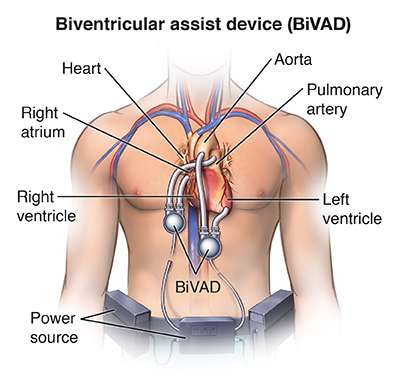
Endovascular Aneurysm Repair (EVAR) offers an innovative approach in treating abdominal aortic aneurysms by placing stents within blood vessels instead of conventional open surgery. This less invasive method reduces trauma during procedure execution while aiming at preserving nearby tissues effectively as well!
- Symptoms might manifest as abdominal pain alongside pulsating feelings near arteries themselves or even sudden sharp aches reflecting potential rupture risks.
- Imaging techniques like ultrasound tests provide necessary insights around aneurysms comprehensively before proceeding into any concrete decisions regarding treatment planning steps ahead!
- Comprehending management via EVAR typically includes positioning stenting devices directly inside intended areas whilst limiting incisional sizes across anatomical regions involved quite substantially !
- Following these procedures accordingly ensures smooth pathways towards quick recoveries altogether happening promptly thereafter—all thanks again being attributed mainly towards enhanced minimally-invasive characteristics enjoyed throughout modern-day interventions experienced here now!
- Patient expectations encompass overseen positive responses concerning their conditions evolving exponentially once repairs completed correctly ; thus regaining active lives thereafter ideally featuring greatly reduced limits imposed beforehand linked solely back before receiving similar therapies undertaken beforehand originally!
EVAR represents one pinnacle example showcasing advancements seen within cardiovascular practices offering noteworthy alternatives addressing previously traumatic scenarios faced regularly amongst populations struggling previously endured such situations faced frequently yet now thankfully transformed forevermore future prospects radiantly shining brightly ahead indeed upon them all there moving forth onwards onwardly truly ultimately !
ATRIAL SEPTAL DEFECT CLOSURE
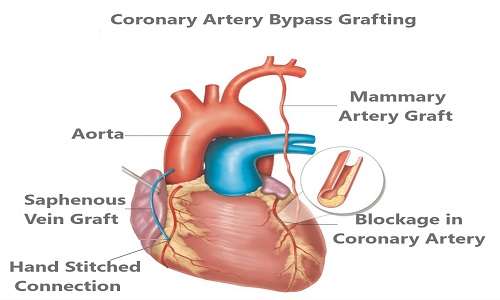
Atrial Septal Defect (ASD) Closure involves repairing a hole in the wall separating two atria of the heart. This condition can lead to significant long-term health issues if left untreated; therefore, closure is crucial for restoring proper circulatory function!
- Symptoms may not always be present; however, they could include fatigue, palpitations, or mild shortness of breath over time as complications arise from ASD presence!
- A comprehensive evaluation involving echocardiography helps make accurate ASD diagnoses possible while establishing overall cardiac health status!
- Treatment encompasses delivering occluders through catheterization processes instead of needing extensive open-heart interventions—less intrusive yet equally effective solutions exist today!
- The overall prognosis remains promising following successful closure procedures—most individuals experience greatly improved lifestyles without ongoing limitations related exclusively back towards their defect anymore!
- Recovery typically entails shorter durations in-hospital care plus minimal restrictions at home afterwards too!
This corrective action represents an essential step towards preventing further complications along with empowering leads toward healthier living experiences overall going forward!
MINI-STERNOTOMY
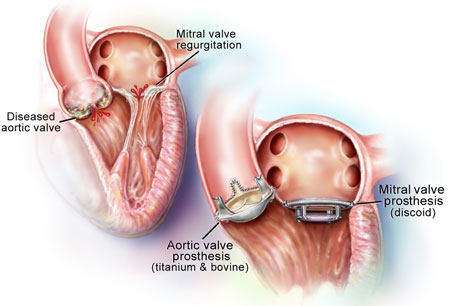
The Mini-Sternotomy technique involves making a smaller incision along the sternum when performing heart surgeries. This innovative approach reduces trauma compared to full sternotomy methods, leading to better recovery outcomes in patients undergoing heart-related procedures.
- This method is commonly utilized for bypass surgeries, valve replacements, or repairs tailored for specific patient needs.
- Candidates are typically evaluated through thorough heart examinations using angiography or echocardiograms prior to the decision-making process for surgery type.
- Treatment can effectively manage complex heart conditions while minimizing aesthetic concerns related to larger incisions.
- The anticipated recovery time is notably decreased when compared with standard surgical methods; patients often resume daily activities sooner rather than later!
- Please note that less post-operative pain results when employing this smaller approach—patients greatly appreciate this fact!
This progressive surgical option focuses on enhancing patient satisfaction by facilitating swift healing times post-surgery through reduced invasiveness!
TRANSCATHETER AORTIC VALVE REPLACEMENT (TAVR)
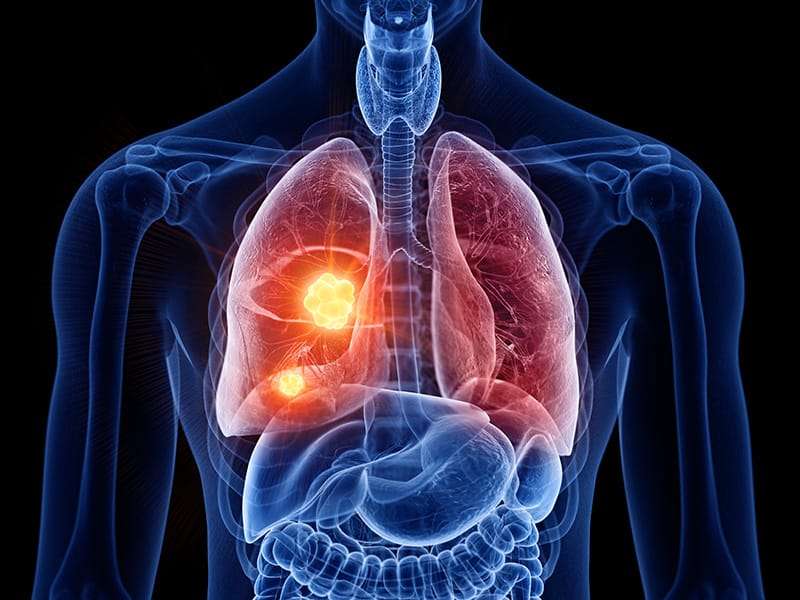
Transcatheter Aortic Valve Replacement (TAVR) is a revolutionary procedure designed for patients with aortic stenosis who are deemed high-risk for traditional open-heart surgery. It provides an effective solution through a less invasive approach using catheters inserted via blood vessels.
- Aortic stenosis symptoms may include shortness of breath, chest pain, and fatigue during exertion.
- The diagnosis typically involves echocardiograms or cardiac catheterization to assess valve function accurately.
- Treatment comprises replacing the narrowed valve with a new valve delivered via catheter without major chest incisions.
- The expected recovery period after TAVR is significantly shorter than conventional surgeries due to its minimally invasive nature.
- Patients can enjoy improved heart function and quality of life shortly after the procedure completes successfully.
This method drastically improves outcomes while ensuring patient comfort through innovation in cardiac care.
ROBOTIC-ASSISTED CARDIAC SURGERY
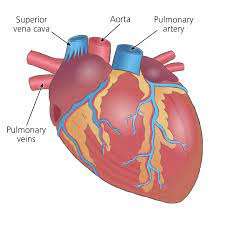
Robotic-Assisted Cardiac Surgery uses advanced robotic systems to assist surgeons during heart procedures. This innovative technique allows for increased precision and control while minimizing damage to surrounding tissues.
- This type of surgery is beneficial for valve repair, coronary artery bypass, and atrial fibrillation treatment.
- Pain analysis, imaging studies, and cardiac assessments help determine candidacy for this minimally invasive approach.
- Management options can range from robotic valve repair surgeries to bypass grafting with minimal scarring.
- Recovery tends to be faster than traditional open-heart surgery, often resulting in less hospital time.
- Patiens generally report lower levels of post-operative discomfort and rapid improvement in quality of life.
Robotic assistance enhances surgical outcomes significantly while ensuring patient safety throughout the process.
VIDEO-ASSISTED THORACOSCOPIC SURGERY (VATS)
Video-Assisted Thoracoscopic Surgery (VATS) is a minimally invasive surgical technique used to diagnose and treat conditions of the chest, including lung disease. This approach utilizes small incisions and a camera, allowing for precision while minimizing recovery time.
- Common indications for VATS include lung biopsies, pleural disease treatment, and lobectomies.
- The procedure is typically diagnosed through imaging tests such as CT scans or X-rays.
- Treatment options may include video-assisted removal of lung tissue or fluid drainage from the pleural space.
- Post-operative recovery often involves shorter hospital stays compared to traditional surgery.
- Patients can expect significant pain reduction and quicker return to normal activities.
This technique is becoming increasingly popular due to its effectiveness and reduced impact on the body.