
Dr Mukul Rastogi
About Me
Dr Mukul Rastogi
MBBS
Infectious disease specialists
10 Years Experience
Biography
My Clinic
OPD Hours
| Monday | Morning | 10:00 AM | - | 02:00 PM |
| Evening | 06:00 PM | - | 09:00 PM | |
| Tuesday | Morning | 10:00 AM | - | 02:00 PM |
| Evening | 06:00 PM | - | 09:00 PM | |
| Wednesday | Morning | 10:00 AM | - | 02:00 PM |
| Evening | 06:00 PM | - | 09:00 PM | |
| Thursday | Morning | 10:00 AM | - | 02:00 PM |
| Evening | 06:00 PM | - | 09:00 PM | |
| Friday | Morning | 10:00 AM | - | 02:00 PM |
| Evening | 06:00 PM | - | 09:00 PM | |
| Saturday | Morning | 10:00 AM | - | 02:00 PM |
| Evening | 06:00 PM | - | 09:00 PM | |
| Sunday | Morning | 10:00 AM | - | 02:00 PM |
| Evening | 06:00 PM | - | 09:00 PM |
Treatments
Specialised care and treatments offered
ENDOCARDITIS THERAPY
Bacterial endocarditis is an infection of the heart’s inner lining usually involving valves. This condition requires immediate attention due its dangerous complications if untreated properly.
VIRAL HEPATITIS TREATMENT

Viral hepatitis refers predominantly to liver inflammation caused by hepatitis viruses A through E. The pattern of illness ranges widely from mild self-limiting disease to chronic liver damage requiring intervention.
- Symptoms/causes:This condition often presents with fatigue, jaundice (yellowing skin/eyes), abdominal discomfort whereas transmission routes vary by virus type including fecal-oral or bloodborne mechanisms.
- Diagnosis:Episodes are confirmed using serologic tests detecting specific viral antigens or antibodies combined with liver function assessments.
HIV/AIDS MANAGEMENT

The human immunodeficiency virus (HIV) attacks the immune system leading potentially to acquired immunodeficiency syndrome (AIDS). Ongoing advances enable effective control of this chronic condition through specialized care.
- Symptoms/causes: Initial infection may produce flu-like symptoms; long-term untreated HIV weakens immune defenses making opportunistic infections more likely.
- Diagnosis: Blood tests detect HIV antibodies or viral RNA promptly after exposure for early identification.
- Treatment options: Antiretroviral therapy (ART) suppresses viral replication markedly improving survival and quality of life when started early and maintained regularly.
- What to expect: With consistent treatment adherence, individuals can live normal lifespans; regular monitoring helps tailor therapy adjustments as needed for resistance or side effects management.
A patient-centered strategy focusing on education, prevention measures, and medication compliance optimizes outcomes in managing HIV/AIDS effectively.
TUBERCULOSIS (TB) CARE

Tuberculosis is a contagious bacterial infection primarily affecting the lungs but potentially other organs. It remains a global health challenge requiring careful diagnosis and long-term management.
- Symptoms/causes: Key signs include persistent cough lasting over three weeks, weight loss, night sweats, and fatigue; TB spreads through airborne droplets from an infected person.
- Diagnosis: Testing involves chest X-rays, sputum cultures for Mycobacterium tuberculosis, and molecular assays for rapid identification.
- Treatment options: Standard care includes a combination antibiotic regimen taken over at least six months to eradicate the infection fully.
- What to expect: Adherence to medication schedules is critical to cure TB, prevent resistance development, and reduce transmission risk within communities.
A comprehensive approach combining early detection with consistent therapy ensures successful clearance of this complex infection.
MENINGITIS DIAGNOSIS AND TREATMENT

Meningitis involves inflammation of the membranes surrounding the brain and spinal cord, often caused by bacterial or viral infections. It requires urgent medical evaluation due to its potential severity.
- Symptoms/causes: Common manifestations include headache, neck stiffness, fever, and sensitivity to light. Causes range from bacteria like Neisseria meningitidis to viruses such as enteroviruses.
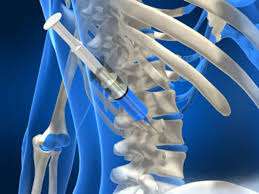
- Diagnosis: A lumbar puncture (spinal tap) is performed to analyze cerebrospinal fluid; blood tests and imaging might also be utilized.
- Treatment options: Bacterial meningitis necessitates prompt intravenous antibiotics; viral types may require supportive care depending on severity.
- What to expect: Early treatment can prevent serious neurological damage or death. Recovery times vary based on the infectious agent involved.
A thorough evaluation helps distinguish meningitis causes so that appropriate therapies can be initiated swiftly for optimal patient outcomes.
SEPSIS MANAGEMENT

Sepsis is a life-threatening response to infection that can lead to tissue damage and organ failure. Prompt recognition and treatment are essential to improve outcomes and reduce mortality.
- Symptoms/causes: It typically arises from infections like pneumonia, urinary tract infections, or abdominal infections, with signs including fever, rapid heart rate, confusion, and low blood pressure.
- Diagnosis: Blood tests, cultures, imaging studies, and clinical criteria help confirm sepsis and identify the source of infection.
- Treatment options: Immediate administration of intravenous antibiotics and fluids are critical. Supportive care in an intensive care unit may be necessary for severe cases.
- What to expect: Early intervention improves survival rates; ongoing monitoring is required to manage organ function and prevent complications.
Understanding the urgency of sepsis facilitates timely medical attention, which is vital for recovery and minimizing long-term effects.