
Dr Mukesh Singha
About Me
Dr Mukesh Singha
MD
Oncologist
Biography
My Clinic
OPD Hours
| Monday | Morning | 10:00 AM | - | 02:00 PM |
| Evening | 06:00 PM | - | 09:00 PM | |
| Tuesday | Morning | 10:00 AM | - | 02:00 PM |
| Evening | 06:00 PM | - | 09:00 PM | |
| Wednesday | Morning | 10:00 AM | - | 02:00 PM |
| Evening | 06:00 PM | - | 09:00 PM | |
| Thursday | Morning | 10:00 AM | - | 02:00 PM |
| Evening | 06:00 PM | - | 09:00 PM | |
| Friday | Morning | 10:00 AM | - | 02:00 PM |
| Evening | 06:00 PM | - | 09:00 PM | |
| Saturday | Morning | 10:00 AM | - | 02:00 PM |
| Evening | 06:00 PM | - | 09:00 PM | |
| Sunday | Morning | 10:00 AM | - | 02:00 PM |
| Evening | 06:00 PM | - | 09:00 PM |
Treatments
Specialised care and treatments offered
MELANOMA SKIN CHECKS
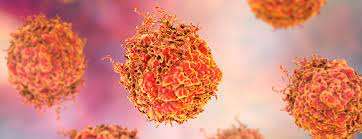
Mole checks are essential for identifying melanoma at early stages where treatment can be most effective. Increased awareness leads individuals to recognize concerning trends regarding changes on their skin surfaces better than before!
- Caution flags include asymmetrical moles that change over time – such observations should be monitored closely!
Early detection ultimately enhances chances allowing needed therapies promptly administered improving survivorship rates greatly thus encouraging practices involving self-awareness included!
OVARIAN CANCER AWARENESS
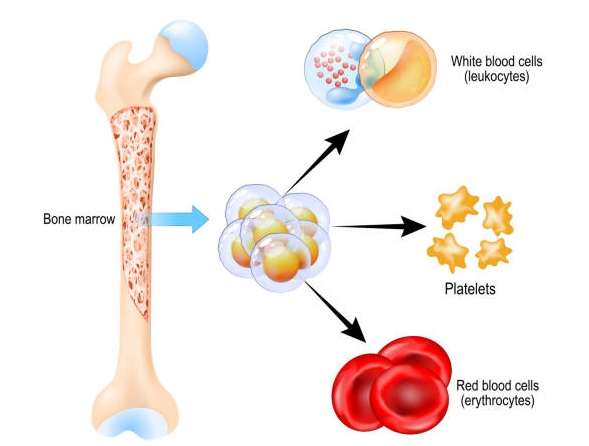
Awareness around ovarian cancer is vital due to its subtle onset and increasing prevalence among women. Knowledge about symptoms can facilitate timely intervention and care planning.
- The most common symptoms might include abdominal bloating, pain during intercourse, or frequent urination concerns that seem unusual compared to baseline levels.
- Diagnosis usually requires imaging alongside blood tests monitoring CA-125 levels indicative of certain cancers associated with ovaries.
- Management options may involve hormonal therapies combined with lifestyle adjustments focusing on nutrition suited specifically for women’s reproductive health needs.
- Encouraging open discussions regarding family history supports preventive measures for high-risk individuals within families.
Staying informed leads to empowerment when confronting potential diagnoses such as ovarian cancer!
LUNG CANCER RISK REDUCTION

Lung cancer remains a leading cause of death globally; however, understanding risk factors can significantly aid in prevention efforts. Lifestyle choices play a pivotal role in managing these risks.
- Main risk factors include smoking history, exposure to pollutants or asbestos, and family history of lung disease.
- Diverse diagnostic methods such as CT scans or sputum cytology can help identify early signs of lung issues.
- Management focuses on smoking cessation programs along with pulmonary rehabilitation exercises tailored for individual needs.
- An emphasis on nutritious diets rich in antioxidants may enhance overall lung function and health maintenance strategies.
Your commitment to reducing risk factors can positively influence lung health outcomes over time!
PROSTATE HEALTH MONITORING
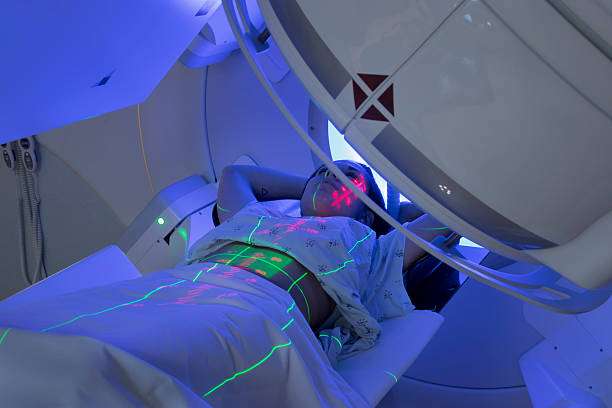
Caring for prostate health becomes increasingly important as men age. Understanding potential issues can help manage risks associated with prostate cancer effectively.
- Symptoms of concern may include difficulty urinating, blood in urine, or erectile dysfunction.
- Providers often recommend PCA3 tests or PSA screenings to assess prostate health regularly.
- Treatment strategies usually involve lifestyle interventions such as improved diet, reduced alcohol consumption, or medication prescribed based on individual assessments.
- Regular follow-ups are crucial for monitoring prostate conditions over time.
- Mental health support also plays an important role during assessment processes.
Staying proactive about prostate health helps reduce anxiety related to potential outcomes.
COLORECTAL CANCER SCREENING
Colorectal cancer is one of the most common forms of cancer, but early screening can lead to successful outcomes. Awareness of screening options plays a key role in prevention.
- Common symptoms may include changes in bowel habits, blood in stool, or unexplained weight loss.
- The diagnosis often involves colonoscopy or imaging studies for thorough evaluation.
- Treatment approaches generally consist of dietary changes, medications for symptom management, and regular surveillance post-treatment.
- Screening is recommended starting at age 45 unless there are higher risk factors present.
- A supportive network is essential for patients undergoing diagnosis and treatment phases.
Regular screenings can significantly enhance chances of early detection and improve survival rates.
BREAST CANCER MANAGEMENT
Breast cancer is a complex disease that affects many individuals around the world. Understanding this condition is essential for early detection and effective management.
- Symptoms can include lumps in the breast, changes in breast shape or size, and unusual discharge.
- Diagnosis typically involves imaging tests like mammograms, followed by biopsies to confirm the presence of cancer cells.
- Treatment may include hormonal therapy, chemotherapy, radiation, and lifestyle modifications such as dietary changes and exercise.
- It's critical to have regular check-ups and screenings to monitor any changes in health status.
- Patients can expect ongoing support through counseling and educational resources to cope with emotional challenges.
Being informed about breast cancer can empower individuals to take proactive steps towards their health.