
Dr Mukesh Shah
About Me
Dr Mukesh Shah
MBBS
General Surgeons
31 Years Experience
Biography
My Clinic
OPD Hours
| Monday | Morning | 09:00 AM | ||
| Evening | 09:00 PM | |||
| Tuesday | Morning | 09:00 AM | ||
| Evening | 09:00 PM | |||
| Wednesday | Morning | 09:00 AM | ||
| Evening | 09:00 PM | |||
| Thursday | Morning | 09:00 AM | ||
| Evening | 09:00 PM | |||
| Friday | Morning | 09:00 AM | ||
| Evening | 09:00 PM | |||
| Saturday | Morning | 09:00 AM | ||
| Evening | 09:00 PM |
Treatments
Specialised care and treatments offered
GALLBLADDER DISEASE
Gallbladder disease encompasses various disorders affecting this small organ responsible for bile storage. The most common form results from gallstones blocking bile ducts leading to inflammation and pain requiring surgical evaluation frequently takes place amidst episodes of discomfort after meal consumption especially rich foods.
- Indicators of gallbladder issues usually comprise severe intermittent upper right abdominal pain radiating toward the back shoulder blade area along with digestive upset after meals high in fat content; further examinations might reveal jaundice indicating bile duct obstruction presence too.
- Diagnosis incorporates imaging modalities revealing gallstone formation alongside recipient symptomatology reviews antecedent history of meal patterns combined diagnostics;
- Management strategies mainly emphasize surgery aiming at dysfunctional installations removal followed closely by dietary restructuring protocols establishing healthy long-term habits post-resolution;
Proactive assessment seeking professional guidance at first signs empowers favorable outcomes significantly outweighing waiting periods incurring additional distress down track over time
DIVERTICULITIS

Diverticulitis occurs when small pouches that can form in your digestive tract become inflamed or infected. It's essential for this condition to be evaluated promptly because it can lead to severe complications if left untreated.
- Main symptoms include acute abdominal pain (often on one side), fever, changes in bowel habits such as diarrhea or constipation, and occasionally nausea or vomiting.
- The diagnosis typically involves reviewing symptoms alongside imaging studies like CT scans which help visualize inflamed diverticula within the colon wall.
- Treatment focuses primarily on antibiotics for infections; in more serious cases requiring surgical intervention might become necessary if abscesses develop or other complications arise.
- Diet modification plays an essential role post-recovery where fiber-rich foods help prevent recurrences by enhancing overall intestinal health.
Catching diverticulitis early significantly improves outcomes while minimizing risks associated with advanced stages of this condition.
BOWEL OBSTRUCTION

A bowel obstruction occurs when there is a blockage in the intestine that prevents food and fluids from passing through. This serious condition can arise from various causes including adhesions from previous surgeries, hernias, tumors or inflammatory bowel diseases like Crohn's disease.
- Symptoms generally manifest as severe abdominal pain, bloating, vomiting, constipation or inability to pass gas.
- To diagnose bowel obstructions, doctors may perform physical exams alongside imaging studies such as X-rays or CT scans that reveal abnormalities in the intestines.
- Treatment often involves hospitalization where decompression methods are initially employed; surgery may be required if conservative measures fail.
- After treatment, gradual reintroduction of food will be monitored closely during recovery among patients who underwent surgery.
The urgency of addressing bowel obstructions cannot be understated due to potentially life-threatening complications that can arise without prompt care.
CHOLECYSTECTOMY
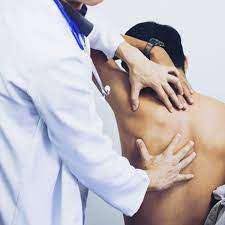
A cholecystectomy is the surgical removal of the gallbladder, often necessary due to gallstones or inflammation. This procedure can be performed either laparoscopically (minimally invasive) or through open surgery, depending on individual circumstances.
- Patients may experience symptoms such as abdominal pain (especially after consuming fatty foods), bloating, nausea, and indigestion before surgery.
- The diagnosis may involve ultrasound imaging to identify gallstones along with lab tests assessing liver function.
- Surgical options include laparoscopic cholecystectomy for quicker recovery times or open cholecystectomy for more complicated cases.
- Post-operative management involves dietary adjustments and monitoring for any potential complications during healing.
This operation typically leads to significant relief from symptoms caused by gallbladder issues.
HERNIA REPAIR
A hernia occurs when an organ or fatty tissue protrudes through a weak spot in the surrounding muscle or connective tissue. This condition is most commonly seen in the abdomen and requires surgical intervention for effective treatment.
- Common symptoms include a noticeable bulge in the affected area, discomfort or pain when lifting, bending over, or coughing.
- Diagnosis typically involves a physical examination; sometimes imaging studies are used to confirm the diagnosis.
- Surgery is generally recommended to push the protruding tissue back into place and reinforce the weakened muscle area with sutures or mesh.
- The recovery period may vary based on the type of hernia repair performed but most patients can resume normal activities within several weeks.
If you suspect you have a hernia, seeking prompt medical advice is important for preventing potential complications like strangulation.
APPENDICITIS
Appendicitis is a common condition that occurs when the appendix becomes inflamed and filled with pus. It often requires urgent medical attention to prevent complications such as a ruptured appendix, which can lead to severe infections or abdominal cavity inflammation.
- Symptoms typically include abdominal pain, particularly on the lower right side, nausea, vomiting, and fever.
- The condition is usually diagnosed through a combination of physical examinations, blood tests to check for infection, and imaging techniques like ultrasound or CT scans.
- Treatment often involves an emergency appendectomy, a surgical procedure to remove the inflamed appendix. Antibiotics are also administered to manage infection.
- Post-operative care includes rest and gradual reintroduction of normal activities within a few weeks.
Timely intervention is crucial for a smooth recovery and minimizing complications associated with appendicitis.