
Dr MS Khan Cli
About Me
Dr MS Khan Cli
MBBS
Internal Medicine
10 Years Experience
Biography
My Clinic
OPD Hours
| Monday | Morning | 10:00 AM | - | 02:00 PM |
| Evening | 06:00 PM | - | 09:00 PM | |
| Tuesday | Morning | 10:00 AM | - | 02:00 PM |
| Evening | 06:00 PM | - | 09:00 PM | |
| Wednesday | Morning | 10:00 AM | - | 02:00 PM |
| Evening | 06:00 PM | - | 09:00 PM | |
| Thursday | Morning | 10:00 AM | - | 02:00 PM |
| Evening | 06:00 PM | - | 09:00 PM | |
| Friday | Morning | 10:00 AM | - | 02:00 PM |
| Evening | 06:00 PM | - | 09:00 PM | |
| Saturday | Morning | 10:00 AM | - | 02:00 PM |
| Evening | 06:00 PM | - | 09:00 PM | |
| Sunday | Morning | 10:00 AM | - | 02:00 PM |
| Evening | 06:00 PM | - | 09:00 PM |
Treatments
Specialised care and treatments offered
ANEMIA EVALUATION & MANAGEMENT
Anemia refers to a deficiency in red blood cells or hemoglobin leading to decreased oxygen delivery throughout the body. Identifying its cause guides targeted treatment strategies for best outcomes.
- Symptoms & typical causes : Fatigue , pallor , shortness of breath ; common etiologies include iron deficiency , vitamin B12 shortage , chronic diseases , or bone marrow disorders .
- Diagnostic methods : Complete blood count (CBC) along with peripheral smear examination help determine anemia type ; additional iron studies , B12 , folate assays may be required .
- Treatment directions : Supplementation ( iron , B12 ) , treating underlying disorders ; transfusions reserved for severe cases .
- Expected results : With proper intervention most patients recover energy levels although chronic anemia demands ongoing follow-up .
Anemia management improves quality of life so prompt evaluation when symptoms arise is advised .
GASTROESOPHAGEAL REFLUX DISEASE (GERD) THERAPY
GERD occurs when stomach acid frequently flows back into the esophagus causing discomfort. Proper therapy focuses on symptom relief and preventing complications like esophagitis.
- Causal mechanisms & presentation: A weak lower esophageal sphincter permits acid reflux; common complaints include heartburn, regurgitation, and chest pain after meals or at night.
- Evidential diagnosis includes: Clinical evaluation supported by endoscopy or pH monitoring in uncertain cases helps confirm GERD presence.
- Treatment regimen involves: Lifestyle adjustments such as weight loss and diet changes along with medications like proton pump inhibitors (PPIs) or H2 blockers reduce acid production effectively.
- Therapeutic outlook expects: Symptom improvement within weeks but maintenance therapy may be necessary for chronic sufferers; surgery considered only in refractory cases;
Timely intervention minimizes risk of esophageal injury allowing users to resume normal activities comfortably.
HYPOTHYROIDISM MANAGEMENT
An underactive thyroid gland leads to hypothyroidism which slows metabolism affecting many body functions. Early recognition and treatment are vital for normal functioning.
- Causative factors & signs: Autoimmune thyroiditis is common; symptoms include fatigue, weight gain, cold intolerance, constipation, and dry skin.
- This condition’s diagnosis involves: Blood tests measuring thyroid hormone (T4) levels along with thyroid-stimulating hormone (TSH).
- Treatment standards: Daily oral levothyroxine replacement restores hormone balance efficiently when dosed appropriately based on laboratory results.
- Treatment goals & prognosis: Most patients achieve symptom relief with consistent medication use; routine monitoring ensures dosage remains optimal over time.
Lifelong management usually allows individuals with hypothyroidism to lead healthy lives without major restrictions.
CHRONIC OBSTRUCTIVE PULMONARY DISEASE (COPD) TREATMENT
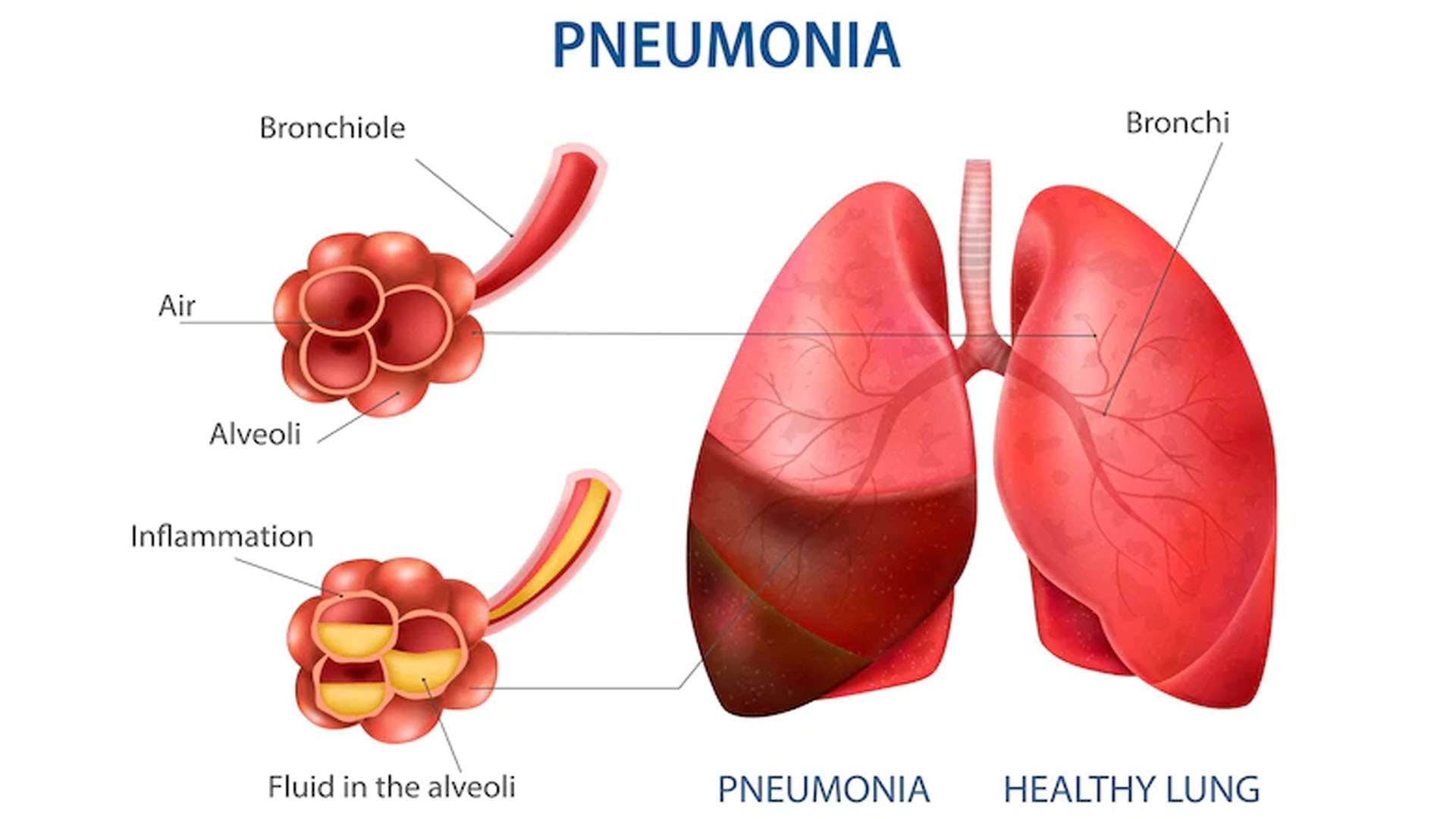
COPD is a progressive lung disease that causes breathing difficulties predominantly due to long-term exposure to irritants. Treatment aims at improving quality of life and slowing progression.
- Main causes & symptoms: Smoking is the leading cause; symptoms include chronic cough, mucus production, and breathlessness during exertion.
- Diagnosis criteria: Pulmonary function tests measure airflow obstruction confirming COPD diagnosis alongside clinical history.
- Treatment modalities: Includes smoking cessation support, bronchodilators inhalers, corticosteroids for inflammation reduction, and pulmonary rehabilitation programs.
- If managed well: Patients can expect improved symptom control though lung damage may not be reversible; oxygen therapy might be necessary in advanced stages.
A multidisciplinary approach ensures maximum symptom relief and maintenance of daily activity levels for COPD sufferers.
TYPE 2 DIABETES MELLITUS CARE
Type 2 diabetes is a metabolic disorder characterized by elevated blood sugar levels caused by insulin resistance. It requires comprehensive care to avoid complications.
- Causes and symptoms: Risk factors include overweight, sedentary lifestyle, and family history; symptoms might involve increased thirst, frequent urination, and fatigue.
- Diagnostic process: Diagnosis typically relies on fasting glucose tests or HbA1c measurements indicating chronic hyperglycemia.
- Treatment approach: Management entails dietary changes, regular physical activity, oral medications like metformin, and sometimes insulin therapy.
- Long-term monitoring: Regular check-ups focus on blood sugar control and screening for associated conditions such as neuropathy or retinopathy.
Lifelong attention to lifestyle combined with medical treatment helps prevent severe outcomes related to diabetes.
HYPERTENSION MANAGEMENT
High blood pressure, or hypertension, is a common condition that can lead to serious health issues if left untreated. Understanding the fundamentals of managing hypertension is crucial for long-term heart and kidney health.
- Symptoms and causes: Often called the "silent killer," hypertension typically has no obvious symptoms but can be influenced by genetics, obesity, stress, and lifestyle factors.
- Diagnosis: It is diagnosed by measuring blood pressure readings above the normal range on multiple occasions using a sphygmomanometer.
- Treatment options: Lifestyle modifications such as reducing salt intake, exercising regularly, and medications like ACE inhibitors or beta-blockers are commonly prescribed.
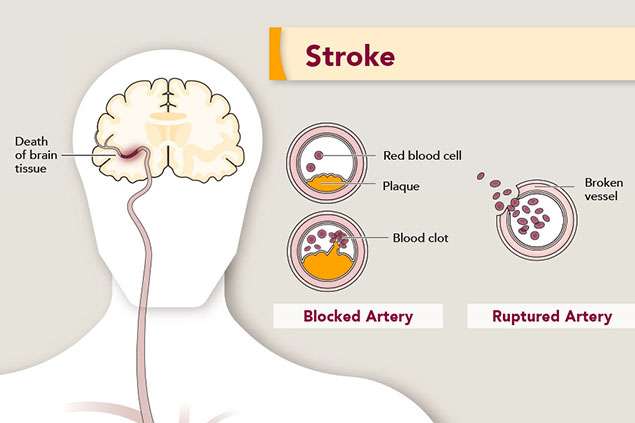
- Management expectations: Regular monitoring and adherence to treatment can effectively control blood pressure and reduce risks of stroke and heart disease.
Proper management involves ongoing care with adjustments to therapy as needed to maintain optimal cardiovascular health.